
Social Psychology Case Study Assessment
Analyze stereotyping, conformity, gender roles & prejudice through Donna Smith's case study. Explore social psychology theories applied to real-life scenarios.
- Introduction - Social Psychology
- Stereotyping
- Definition
- Impact of stereotyping on individual
- Ideas related to the case study
- Conformity and Obedience
- Definition
- Impact of Conformity and obedience on individual
- Ideas related to the case study
- Gender role
- Definition
- Impact of gender role on individual
- Ideas related to the case study
- Prejudice and discrimination
- Definition
- Impact of prejudice and discrimination of individuals
- Related to the case study
- Type Assignment
- Downloads3141
- Pages13
- Words3305
Introduction - Social Psychology
The focus of the paper will be on analyzing the case study related to social psychology. For students seeking help writing assignments on social psychology theories, this case study provides key examples. Social psychology is considered to be the study of behavior and mind with other individuals. It looks at the group behavior, interpersonal relationships and personality. Typically, social psychologists demonstrates human behavior as a result of the association among social situations and mental condition, studying the social status under which behaviors, feelings and thoughts occur and the manner in which the variables creates an impact on social interactions (Kim et al., 2021). It explores the power of perception and thought to cement emotional connections and shape action. In social psychology, the major areas of interest are social cognition, persuasion, attitudes, social influence, group dynamics, attribution, interpersonal relationships, discrimination and prejudice, social identity, pro-social behavior along with violence and aggression. Within social psychology, attitude is determined to be an international and learned assessment which creates an impact on action and thought.
While, persuasion is regarded as a dynamic approach which tries to direct individuals towards the implementation of a rationale, behavior, idea, attitude or sensitive means. On the other hand, social cognition studies the manner in which individuals remember, identify and perceive information regarding others (Lovakov and Agadullina, 2021). Attributes are another aspect which demonstrates behavior either others or own behavior. Another major factor is group dynamics where, a group is inclined towards communicating and influencing one another as well as shares an universal identity. Whereas, interpersonal interaction refers to the factors which makes individuals to like each other. The emphasis of the paper will be on analyzing the case study on the basis of four major social psychology topics such as stereotyping, conformity and obedience, gender role and prejudice and discrimination. All these topics will be discussed in detail by aligning them with social psychology theories.

 5 Years | PhD in Healthcare Management
Stereotyping
Definition
Stereotyping is considered to be the act of making generalizations or an assumption regarding what a specific kind of individual is like on the basis of perceived characteristics like age, gender or race. These assumptions might be inappropriate or oversimplified, resulting into partial or unjust treatment of people.
Impact of stereotyping on individual
Stereotyping creates an adverse impact on a person, causing impaired performance, lowered self-esteem, feelings of anxiety and could even restrict their opportunity by generating a sense of not being viewed as a person, instead a member of a stereotyped group. When an individual continuously dealing with adverse stereotypes regarding their group, it could result into internalizing those faith and feeling worthless or less capable. Along with this, stereotypes could create an impact on the manner individuals are treated and apparent, possibly restricting access to social circles, education or jobs related to their group membership (Nicolas et al., 2021). Continuous contact towards adverse stereotypes could result into the feelings of sadness, anger and dissatisfaction. With this, a person might begin questioning their own capabilities along with potential because of the negative stereotypes related with their group. In order to avoid conforming stereotype, individuals might change their behavior in numerous ways which could restrict their self-expression or make them feel authentic.
Ideas related to the case study
In case of Donna Smith, it can be said that she faced with stereotyping which created a negative impact on this life and career as a whole. It has been observed that Donna faced gender stereotype when her husband did not liked Alison (Donna’s best friend). In order to make her husband happy she started meeting his best friend less. Due to gender stereotyping, Donna suffered from low self-esteem, depression along with anxiety. This incidence indicates violation against Donna. In another incident, since Donna has put on a little weight, hence every individual looked at her in a different manner and treated her badly. This resulted into employment discrimination leading towards unequal job opportunities. Social Categorization theory that determines that individual classifies themselves along with others into groups on the basis of shared characteristics resulting into the perception of out-groups and in-groups which leads towards stereotypes (Petsko et al., 2022). When Donna was in the prison, she joined the gang (in-group) in order to avoid negative treatment from the guards. As per this theory, within in-group favoritism, individuals observe their own group more positively as compared to other groups. While, in out-group homogeneity, the insight that members of an out-group are more identical to one another than they really are. This happened to Donna as when she joined the gang she ensured that she will not be attacked, get more food and her needs will be met. According to this theory, there is a need to give significance to group membership which in turn helps in shaping identity and self-esteem by leading to in-group bias. Stereotype happened with Donna since the individuals associated with her overestimated the relationship among distinctive group behaviors and characteristics. This indicates that Donna was inclined naturally towards social comparison and social categorization in her life (Nicolas et al., 2022). This propensity to think regarding individuals on the basis of groups they belong to and make comparisons among their groups they are associated with led towards the development of stereotyping for Donna. The theory states that in order to overcome stereotype, it becomes essential for Donna to not put her into bubble and learn regarding people she admires from other races or genders. There is also a need to communicate with people from other groups to avoid facing stereotyping situations in her entire life.
Get assistance from our PROFESSIONAL ASSIGNMENT WRITERS to receive 100% assured AI-free and high-quality documents on time, ensuring an A+ grade in all subjects.
Conformity and Obedience
Definition
Conformity is when individuals alter their behavior in order to fit in with a group, whereas obedience is when individuals follow orders from right figures. Both are considered to be social behaviors which could be harmful or beneficial.
Impact of Conformity and obedience on individual
Conformity and obedience creates a huge impact on individuals by influencing their attitudes, thoughts and behaviors in order to align with the commands of right figures or group norms. Often it is driven by a wish to fit into or avoid adverse consequences that could be evident into both negative and positive ways considering the situation (Zhirkov et al., 2021). On the other hand, conformity is all about adjusting into the obedience of a group which includes following straight orders from an individual apparent as having authority. It can be said that by conforming towards group norms, individuals contribute towards an intellect of social harmony and belonging into a community. Obedience to authority figures such as police officers and laws play a major role in upholding safety and order. With this, people could take advantage from adopting attitude or behaviors from others, specifically into novel situations or while learning from specialists. While, excessive conformity might result into individuals suppressing their critical thinking and own viewpoint in order to fit into the group, possibly resulting into groupthink.
Ideas related to the case study
In this case study, Donna faced conformity in number of situations. One of the situations is since her husband was the old-fashioned type and expects a cooked meal ready for him every night after work and gets moody if she does not cooks for him. Hence, due to social pressure, she agreed to adjust with such situation. Social Influence theory is determined to be the social psychology theory which is directly related with conformity and obedience. The theory examines the manner in which people alter their opinions or behaviors because of the influence of others, with conformity associating towards adjusting behavior in order to match a group norm. Whereas, obedience refers to straight commands through an authority figure (Tannur and Roswiyani, 2021, August). In the case of due to the influence of her husband, Donna decided to manage her time and cook food as per her husband’s comfort. Another incidence is changing her attitude and behavior towards Alison (Donna’s best friend) due to the influence of her husband. The theory determines the fact that usually individuals conform to fit into the group often because of the wish to avoid rejection or for social approval, even though they disagree with the opinion of the group.
According to the theory, people obey when they follow direct orders from an individual who possess higher authority, even though the action goes beyond their personal viewpoint. In case of Donna when she was in the prison, she obeyed the rules of the gang with the fear of getting terrible treatment by the guards. The theory determines that in order to address conformity, it becomes vital to get aware of own personal unfairness towards conformity which might result into making efficient and more thoughtful choices. Along with this, Donna must take possible amount of time to think regarding her own significant beliefs along with values which in turn could assist in directing towards the right path (Van Leeuwen et al., 2024). While to avoid blind obedience, it becomes essential to analyze instructions critically, seek support from others and also question authority when required. It becomes vital to become aware regarding social and surrounding cues as well as practicing self-assured communication while expressing their concerns regarding a particular matter.
Gender role
Definition
The term ‘gender role’ used in sociology and psychology refers to a prescribed set of behaviours, attitude and characteristics associated with the gender status of an individual categorised as female or male. Attributes associated with gender can be the results of learning in accordance with the standard of culture. According to the Theory of Gender Role in Social Psychology, the more similar the social roles and behaviours performed by both male and females, the more similar their attitude and behaviour can become. Thus, gender roles can be defined as “the patterns of behaviours and personality traits and attitudes that estimate gender in a particular culture” (Dictionary.apa.org, 2025). Sometimes gender roles are considered as the external manifestation of the internalised identity of gender.
Impact of gender role on individual
Gender roles can significantly impact the pattern of behaviour of an individual especially in the process of developing self-perception, deciding career choices and social relationships. On the other hand, social expectations associated with gender are very much prevalent with the concept of gender role such as men supposed to be the main pillar of the society, doing the hard and complex job with their prowess, scope of exposure and abilities (Chen et al. 2023). On the other hand, the dynamics of political and social power of men impacted the social status of women in public or private settings. The process of socialisation of men and women into their respective roles internalise the social hierarchy. The power dynamics also replicates social inequality and discrimination. Gender roles also create an imbalance of power and limits the ability to express oneself authentically (Rudman and Glick, 2021). As per as the gender role of an individual is concerned the social expectations can limit opportunities with women driven by the ‘stereotype’ perception of women is best stunted in a caregiving profession than leadership role in society.
Ideas related to the case study
The given case study of Donna Smith can be contextualised with the idea of gender roles of both men and women in society that determine the socio psychological behaviour of both of them. It has been found from the case study that Donna Smith is a 34 years old woman, married and mother of two children aged 6 and 14 years. The gender role of Donna was considered by the society as the typical domesticated housewife who can look after her children and husband in the house better than doing a responsible job in a company. On the other hand, the gender role of women has been considered by society to be quiet, domesticated and doing the household works and better to choose caregiving professions (Löffler and Greitemeyer, 2023).
These type of stereotypical ideas about women in the society changed perception about their own behavioural pattern such as Donna started meeting her friend Alison less, privileging the dislike of her husband and never stretched argument with him to avoid the silent dreaded treatment of her husband which was a kind of torture to her. This proved the dominating and powerful behaviour of her husband which has given him autonomy by the society as the gender role of men. Furthermore, doing a responsible job by Donna was not agreed amiably by her husband that made him redundant and left his job on the contrary. The family situation was getting worse. Out of temptation of the access of the financial account of the taxi firm, she started taking cash out of there and finally got caught. The society could not believe the situation Donna had gone through and she became a convict to serve her feminine gender role as a wife and responsible mother.
Prejudice and discrimination
Definition
Prejudice can be considered as a negative attitude and feeling towards an individual based on a particular social group. Prejudice is common against the people belonging to some unfamiliar socal group. Moreover, prejudice often comes unconsciously and automatically from inward. On the other hand, discrimination is a negative action towards an individual in the social context or in a particular group (Kite et al. 2022). The result of possessing negative attitudes (prejudices) on a particular group, people often make poor behaviour with them. Discrimination can make people feel alienated and excluded from the mainstream journey of others which leads to negative self-concept and lack of self-confidence among people.
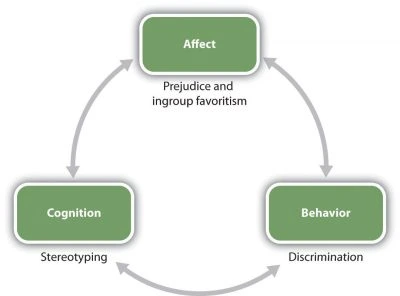
Figure 1: Concept of prejudice and discrimination
Impact of prejudice and discrimination of individuals
Prejudice and discrimination can enhance stress, anxiety and feeling of alienation in society. On the other hand, discrimination can limit the access of an individual in the social sphere in terms of education, healthcare and employment. Prejudice and discrimination affect everyone in personal or social context in the context of setting their role. Human conflict can result in war, crime and mass murder. Prejudice and discrimination can often lead to the starting of human conflict which causes the strange behaviour of people towards each other (Amodio and Cikara, 2021). It can affect the mental health of people negatively that lead them to depression and poor behavioural impact. Prejudice and discrimination make people alienated from the social circle that can be a private or public sphere. Poor self-confidence and social awareness can be generated through prejudice and discrimination in society. Negative attitudes perpetrated on an individual often enhanced depression and alienation that forced them to choose the convoluted path of life.
Related to the case study
The given case study has dealt with the tragic situation of a middle-aged woman Donna Smith who has gone through prejudice and discrimination in society and in her personal life as well. Donna was truly a dedicated woman and more responsible in her married life than her husband. She has faced prejudice in the attitude and behaviour of her husband and her mother which prevented her from continuing her friendship with Alison and her mother’s prejudices related to disagreement with husband. Prejudice and discrimination hinder the usual flow of life and increased social distance (Francioli and North, 2021). In this context, it has been found from the case study that Donna has faced discrimination in society after she returned from her convicted life spending in prison for 12 months. The most miserable state of Donna was then when she had not got any help from her husband and he left her alone and discriminated taking her children away from her too.
She needed to earn to serve her livelihood but her present status as an ‘ex-con’ or prisoner made her discriminate out of prejudice and disbelief to earn her living. No one agreed to give Donna work due to her present social status. In this context, Donna felt the prejudiced behaviour of the employers of the companies who have not allowed her to live a straight and easy life after returning from the prison. Donna was not even able to buy clothes to look presentable for the interviews that impacted her mental state and her grief of husband leaving her comforted through food that made her overweight. The outward look of Donna made her prejudiced that people started believing wrong about her and treated her badly for the current status of a single woman who is an ex-convict.
Conclusion
The social psychological beliefs are the most integral part of the life of an individual which guides them to act according to the present situation and the automated life changing phenomenon. The four aspects of social psychology have been discussed in this assignment namely stereotype, conformity and obedience, gender role and prejudice and disobedience. These theories of social psychology are effective to assess the behavioural change of an individual in personal and public relationships. In this paper a case study has been analysed to assess the socio psychological behavioural pattern and impact on life of a middle-aged woman Donna Smith has been taken into consideration. It has been evaluated from the discussion that the analytical way of perceiving social structure can vary from each other in respect of their gender role, stereotypical thoughts, prejudice and disbelief and conformity and obedience.
All these aspects such as stereotype, prejudice, gender role can impact negatively on one's life differentiating the social status of men and women. In the case study it has been found that the gender role of Donna and her husband had impacted in their life of social status especially in the case of Donna who was obedient to her husband and still faced prejudice and negative attitude from her husband. The gender role and stereotype of women in the society had impacted in the life of Donna while she wanted to do a responsible job for her family. On the other hand, the non-cooperation of her husband made her a convict and discriminated from the journey of her life to live straight. Thus, the socio psychological characteristics and theoretical analysis of these above-mentioned four aspects have found the decision-making categories of people’s life.
References
- Amodio, D.M. and Cikara, M., 2021. The social neuroscience of prejudice. Annual review of psychology, 72(1), pp.439-469.
- Chen, X., Wang, C.L. and Zhou, L., 2023. Does character's gender matter in inspirational brand story? Exploring the moderating effect of gender role conformity. International Journal of Consumer Studies, 47(5), pp.1749-1757.
- Dictionary.apa.org, 2025. Definition. Available at: https://dictionary.apa.org/gender-role[Accessed on: 14th Feb 2025]
- Francioli, S.P. and North, M.S., 2021. Youngism: The content, causes, and consequences of prejudices toward younger adults. Journal of Experimental Psychology: General, 150(12), p.2591. https://psycnet.apa.org/record/2021-76816-001
- Kim, E.J., Kim, J.J. and Han, S.H., 2021. Understanding student acceptance of online learning systems in higher education: Application of social psychology theories with consideration of user innovativeness. Sustainability, 13(2), p.896.
- Kite, M.E., Whitley Jr, B.E. and Wagner, L.S., 2022. Psychology of prejudice and discrimination. Routledge.
- Löffler, C.S. and Greitemeyer, T., 2023. Are women the more empathetic gender? The effects of gender role expectations. Current Psychology, 42(1), pp.220-231. https://link.springer.com/article/10.1007/s12144-020-01260-8
- Lovakov, A. and Agadullina, E.R., 2021. Empirically derived guidelines for effect size interpretation in social psychology. European Journal of Social Psychology, 51(3), pp.485-504.
- Nicolas, G., Bai, X. and Fiske, S.T., 2021. Comprehensive stereotype content dictionaries using a semi‐automated method. European Journal of Social Psychology, 51(1), pp.178-196.
- Nicolas, G., Bai, X. and Fiske, S.T., 2022. A spontaneous stereotype content model: Taxonomy, properties, and prediction. Journal of personality and social psychology, 123(6), p.1243.
- Petsko, C.D., Rosette, A.S. and Bodenhausen, G.V., 2022. Through the looking glass: A lens-based account of intersectional stereotyping. Journal of personality and social psychology, 123(4), p.763.
- Rudman, L.A. and Glick, P., 2021. The social psychology of gender: How power and intimacy shape gender relations. Guilford Publications.
- Tannur, V. and Roswiyani, R., 2021, August. The Correlation Between Conformity and Self-Confidence Among Late Adolescents in Jakarta. In International Conference on Economics, Business, Social, and Humanities (ICEBSH 2021) (pp. 384-390). Atlantis Press.
- Van Leeuwen, F., Jaeger, B., Sleegers, W.W. and Petersen, M.B., 2024. Do experimental manipulations of pathogen avoidance motivations influence conformity?. Personality and Social Psychology Bulletin, 50(7), pp.1051-1065.
- Zhirkov, K., Verkuyten, M. and Ponarin, E., 2021. Social conformity and prejudice toward immigrants: The role of political messaging. Social Influence, 16(1), pp.65-77.
Recently Downloaded Case Studies by Customers
Introduction to Managing and Leading People in International Organizations Case Study Management comprises supervising a team or...View and Download
1. Aim Gain valuable insights into ethical research practices and get Assignment Help from experts to enhance the quality...View and Download
Introduction: Brand Analysis and Market Positioning Brand refers to the name of product or service produced by an...View and Download
Introduction Struggling with complex assignments? Get expert guidance to enhance your grades and efficiency. If you need quick...View and Download
Tesco’s Big Data Strategy and Forecast of 2024 In the dynamic landscape of the retail industry, data analytics has become...View and Download
Tesla's Global Strategy in International Business: Innovation, Integration, and Market Expansion Tesla, Inc., an innovative...View and Download