
CMA4001 Construction Methods, Materials and Technology Assignment Sample
CMA4001 Construction Methods, Materials and Technology Assignment Sample on residential construction techniques, structural systems, material selection, sustainability principles, and health and safety considerations in the built environment

- 1. Introduction
- 2. Superstructure
- 2.1 Substructure
- 2.2 Superstructure
- 3. Human Comfort Considerations
- 3.1 Thermal Comfort
- 3.2 Acoustic Comfort
- 3.3 Indoor Air Quality
- 3.4 Lighting and Spatial Comfort
- 4. Material Selection and Lifecycle Analysis
- 4.1 Material Selection for Residential Units
- 4.2 Lifecycle Analysis and Environmental Impact
- 5. Health and Safety Considerations
- 5.1 Structural and Fire Safety
- 5.2 Indoor Air Quality and Ventilation
- 5.3 Accessibility and Emergency Preparedness
- 6. Reflection
- Type Assignment
- Downloads3930
- Pages11
- Words2640
1. Introduction
The construction of residential units adds great value in handling the need for housing delivery within these aspects while offering sustainability, durability, and comfort. Currently, the growth of urban areas is at its peak and this results to increased need of better, faster, cheaper and durable housing solutions, as examined within CMA4001 Construction Methods, Materials and Technology, which highlights the importance of efficient construction practices. There are legal requirements, codes, and standards that apply to residential constructions which include the use of sustainable material in the construction, and also in provision of quality living environment for the users.

 7 Years | MSc in Engineering Project Management
A good substructure and superstructure should be well designed to help the structure to be visually attractive and to endure the tests of environment and structures. Besides, the human comfort aspects such as temperature control, noise control and humidity control also enhance the quality of inhabitants’ life. It means factors such as lighting, floors, wall and roofing and materials used influence the carbon footprint, energy consumption as well the general maintenance of the home. Life cycle thinking is all about enhancing durability and reducing environmental effects of resources in terms of material selection, utilization, and disposal.
Also, fire safety and ventilation measures and construction requirements have to be taken into consideration at this stage. Other issues, for example, pandemic-proof design are also affecting residential architecture to promote safety and flexibility. This work also focuses on the main aspects of construction of the planned residential unit discussing the best structural organization, defining the preferable types of materials, and identifying various sustainable solutions for creating comfortable homes for the contemporary society.
Reference materials and sample papers are provided to explain assignment structure and expected academic standards. Through our assignment help writing, guidance is reflected while ensuring all work remains original. The CMA4001 Construction Methods, Materials and Technology Assignment Sample highlights logical organisation, use of technical concepts, and clear discussion of construction practices. These resources are intended solely for study and reference purposes.
2. Superstructure
Both the substructure and superstructure of residential buildings are important in creating a firm and sturdy edifice that is efficient. The substructure offers concrete base which translates into the carrying structure, and the superstructure encompasses extra load bearing and functional areas, a core focus area discussed in CMA4001 Construction Methods, Materials and Technology. Choosing correct materials and construction process is rather important to achieve the required strength of structures, reasonable costs, and ecological friendliness.
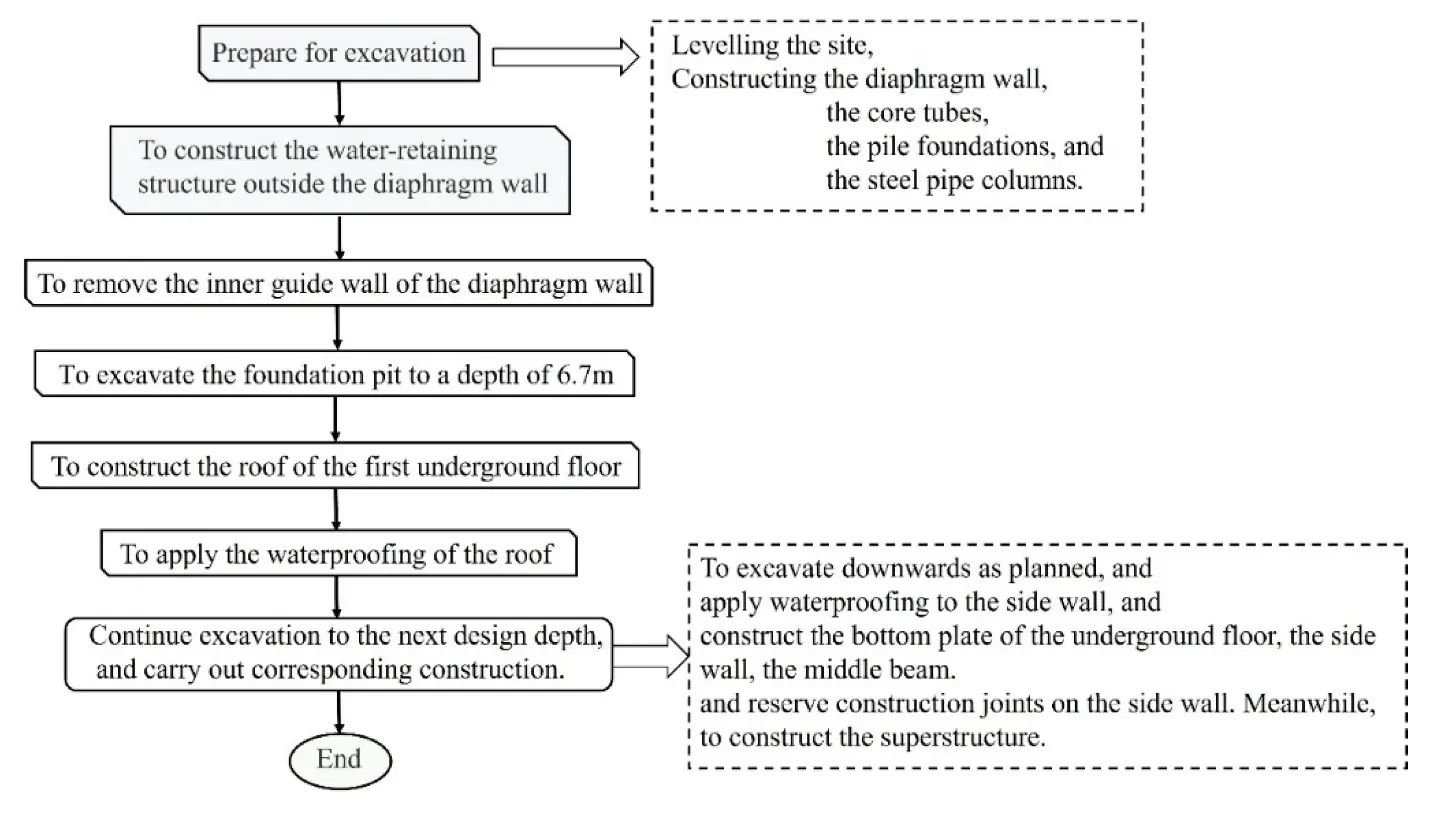
Figure 1: Construction substructure and superstructure
2.1 Substructure
The substructure refers to the foundation and other works involved in laying down the structure and; it has to take into consideration of type of soil, bearing capacity and the site’s limitations. The common foundations that are ordinarily used in construction of residential units are strip foundations, raft foundations and pile foundations. Such construction is very popular for low rise buildings such as residential structures owing to the following reasons. However, in cases of poor quality of soil or where the water table is high raft or pile foundation system is most appropriate.
Get assistance from our PROFESSIONAL ASSIGNMENT WRITERS to receive 100% assured AI-free and high-quality documents on time, ensuring an A+ grade in all subjects.
This brings two possibilities related to top-down and bottom-up construction approaches that may be applied to substructure construction. Top down is a popular technique in restricted spaces where lateral space is a constraint to excavation while bottom up is ideal for constructing conventional low-rise housings due to its advantages of cheap and faster to set (Meral et al., 2024).
2.2 Superstructure
Superstructure encompass the load-bearing walls, the floors and the columns as well as the roof or roof trusses. Casting and steel are the most preferred materials being used in modern housing construction because they are strong and do not burn easily while timber framing is available, light and has consideration for the environment. Cross-laminated timber (CLT) is also employed in efficient homes since the material has low carbon content and can be installed quickly.
They are common where the exterior walls are made from brickwork, concrete blocks or precast panels with an aim of achieving better thermal and sound insulation. Same like other aspects of construction like roofing options; the pitched or flat roofing options have to be determined by climate condition and energy consideration. Roofing that is environmentally friendly and used for insulation as well as management of storm water in sustainable home building is also getting adopted (Blasco et al., 2021).
3. Human Comfort Considerations
The comfort of people is essential in the residential units since it considerably affects their health and satisfaction. Housing, as a matter of comfort, depends on various factors which range from thermal control, acoustics, air quality, lighting as well as space visualization. Comfort can be defined as the achievement of certain objective and acceptable indoor environment in a well-designed house that has considered energy efficient measures for sustainability.
3.1 Thermal Comfort
Thermal comfort encloses the relative ability of a building to create well controlled interior environment to meet the need for heating and cooling with minimum use of energy. Such measures as insulation, thermal mass and natural ventilation are very effective in improving indoor climate control. The use of natural materials and vegetation in buildings as espoused in biophonic design also goes a long way in cooling the rooms by minimizing internal heat gains and promoting evaporative (Johansson et al. 2025).
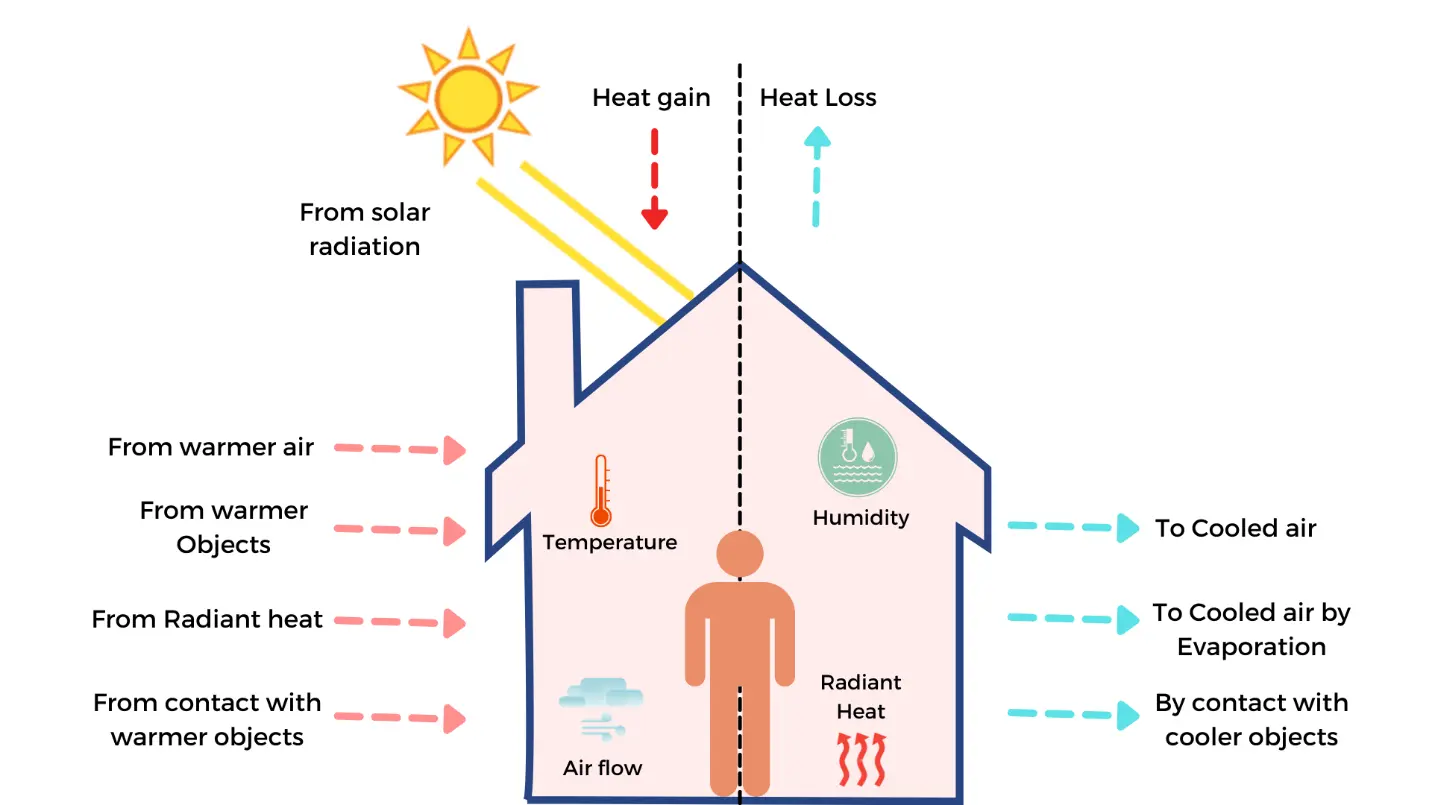
Figure 2: thermal comfort
Several studies show that change in occupant behavior has a great impact to thermal comfort. For example, in the older residential spaces residents can open window, use curtains, or put on incandescent heaters for the inadequate insulation and air movement (Guyixin et al, 2024). Incorporation of additional insulation to homes, well-insulated window systems, and passive cooling systems can go a long way in improving comfort as well as decreasing energy demand (Williams & Zhao, 2025).
3.2 Acoustic Comfort
Acoustic comfort in residential units must be considered for health and efficiency in the working population especially in the crowded cities. Noise pollution arising from constant honking of car horns, construction work, or loud neighbor’s music have a way of interrupting sleep, raise stress levels, and consequently lessen life’s quality (Johansson et al., 2025). To deal with these impacts, the architects and engineers employ the use of the following:
- Use of dense outer walls like concrete walls, brick walls, etc, to ensure that they help in absorbing sound.
- Infrastructures to cover the walls and floors with acoustic insulation to avoid the penetration of noise from one unit to the other.
- Fitted window glass to control the disturbances from outside the home.
- Efficient green buffers are trees and plants, which reduces noise pollution through provision of a quiet space.
Through these measures, admits to the Outlook’s claims, residential buildings should achieve greater levels of privacy and noise reduction in order to make indoor environments more enjoyable and less disruptive.
3.3 Indoor Air Quality
Clean air is essential as it determines the health of lungs, brain and the overall health of individuals depending on the area they occupy. Indoor air pollution results from building materials, furniture, chemical cleaning agents, and inadequate airflow (Guyixin et al, 2024). In order to overcome these challenges of crowded housing, the contemporary residential units include:
- Improvement of mechanical ventilation system with HEPA filters for the removal of airborne contaminants.
- The existing several natural ventilation techniques like cross ventilation and windows which may be operable for the purpose.
- Low-VOC flooring, paints, and adhesives to minimize the indoor air pollutants.
- Some of them are; the use of indoor plants, they help filters the air and influence the psychological well-being of the inhabitants of the building positively.
- Introducing high IAQ standards in residential dwellings would also benefit occupants especially children, elderly people, and people with respiratory issues.
3.4 Lighting and Spatial Comfort
Lighting affects mood, quality of sleep, and productivity and therefore it is crucial that there is proper lighting design that meets the requirements of the users. Daylight can be defined as the natural light which is directly brought into buildings to control the biological clock, decrease reliance on artificial light and enhance mental health (Johansson et al., 2025). Key strategies include:
- Window placement for the most allowance of daylight penetration.
- Making use of smooth materials that would help reflect natural light throughout the interior of the home.
- Energy-efficient lights with controllable illumination and color shift of the light, in order for it to follow a normal cycle.
Moreover, layout functionality, storage organization and Aspect of ergonomic Nature of furniture consider in spatial comfort. Integrated layouts and plans which enable changes in the use of space to meet occupants’ requirements are effective for long term use (Guyixin et al., 2024).
4. Material Selection and Lifecycle Analysis
One of the main planning aspects that can define sustainability and durability of the residential units is the right selection of materials that can also be efficient in terms of costs, as outlined in CMA4001 Construction Methods, Materials and Technology through lifecycle-based decision making. The materials have an influence on construction stability as well as heat insulation, separation of carbon dioxide, and durability of the construction. The lifecycle analysis or life cycle assessment (LCA) evaluates the environmental cost from birth to the grave and guides the designers in aiming at cutting down on the amount of impacts.
4.1 Material Selection for Residential Units
Sustainable housing given emphasis on low the carbon content of the materials used, durability, and minimal environmental footprint. There are many types of material which are commonly used in the construction of houses in the modern world, some of them include the following;
- Cross-laminated timber (CLT): A sustainable substitute of concrete and steel with high strength, carbon storage and enhancement of thermal insulation (Asiz, 2023).
- Recycled concrete aggregate (RCA): eco-friendly resource which can be adopted as a substitute for quarried material while retaining mechanical properties (Li et al., 2024).
- AAC – Aerated Autoclaved Concrete: A type of concrete block which makes the buildings thermal efficient and decreases the construction load.
4.2 Lifecycle Analysis and Environmental Impact
A lifecycle analysis or LCA therefore takes into consideration the production phase, transport phase, use phase and end of use or disposal phase. Research shows that construction materials obtained from timber such as CLT are emitted low carbon as compared to concrete and steel. Meanwhile, modular and prefabricated construction techniques play a role of less material usage and site emission in enhancing the sustainability of the construction process (Li et al., 2024).
This way the life cycle revolution recognizes the value of using low embodied energy and recyclable materials in their construction, which remain energy efficient and optimum for human housing.
5. Health and Safety Considerations
There are several features that have to do with health and safety regarding occupant’s safety from physical barriers, diseases, and other unfavorable conditions in the residential building. The COVID-19 pandemic has impacted safety measures, delegate’s fresh air, cleanliness, and flexibility in the current day’s numeration housing units (Hendy, 2020).
5.1 Structural and Fire Safety
Safety in residential construction is determined by the kind of structures being developed. It should meet loading requirement, account for earthquakes, and include fire rating for the benefit of the users. Fire safety measures include fire-rate walls, smoke detectors and sprinkler systems in order to minimize the incidences of fire outbreaks. Another characteristic is the use of eco-friendly materials in the construction; Toxic building materials pose a great harm to health hence the use of non-toxic building materials is advantageous in creating safe indoor environments.
5.2 Indoor Air Quality and Ventilation
One of the characteristics of the post-pandemic era is that architects have placed a great emphasis on improving the ventilation systems in residential buildings to reduce the risks associated with airborne contagions. The factors such as the installation of HEPA filters, natural ventilation, and intelligent airflow control help in improving IAQ that leads to less prevalence of respiratory diseases and minimized exposure to allergens. Doors with no handles and touchless controls for use, along with antibacterial surfaces help reduce infection within homes.
5.3 Accessibility and Emergency Preparedness
Safety also extends to features for the disabled persons, the elderly and children who are vulnerable in the society. The aspects like wider doorways, slip-resistant flooring, ergonomic handrails, etc help in easy movements within houses. Consequently, backup power sources, flood proof foundations back-up evacuation passages augment the residential readiness in the case of natural disasters, or a contagious disease outbreak (Heydari & Abbasianjahromi, 2024).
6. Reflection
The reflection concerning the construction of residential units has revealed interactions between sustainability and occupant well-being and the dispersion of resilient construction. By means of choosing proper material, evaluating a life cycle, and considering feelings of people living in constructed homes, green homes can be built more efficiently and provide greater impact in the domestic environment. The consideration of sustainable construction solutions like biophilic design, passive heating and cooling, and the use of renewable materials emerging several instances as absolutely crucial for future people’s sustainable habitation across the continents.
It was noteworthy to recognize that the health and safety aspects in residential construction have become quite dynamic. The COVID-19 outbreak has shifted building designs as far as Ventilation, technologies and materials that do not facilitate contact, and materials that kill bacteria are applying in construction today. Also the issues of sustainability of buildings in natural catastrophes and pandemics became the important lesson in this respect, as well as the need to design a dwelling with consideration for the choice of disaster-resistant forms and materials in the future (Heydari & Abbasianjahromi, 2024).
Conclusion
This paper has looked at the essentials in constructing residential unit structures including the structure type, the material used in construction, the comfort level of residents and the health and safety levels of the inhabitants. The studies underline that the use of sustainable materials, integrated energy solutions and resilience strategies to the buildings are the key factors to achieve the creation of safe and environment friendly and comfortable living domain situations.
Overall, this effectively applies the ‘life cycle approach’ about choosing materials with low embodied carbon content, yet Durability of infrastructure is a key to getting long span life cycle. Also, the control of temperature, air quality as well as noise control which are among the key aspects of human comfort have a direct bearing on comfort and productivity of the building occupants. Last but not least, the study has also demonstrated how conditions after the pandemic newly define design modifications of residential spaces for better health, safe, and rooted frameworks. Further residential solutions should incorporate new constructional approaches, smart solutions, and solutions as well as varied functionality for making homes and green residential more progressive, efficient, and sustainable.
References
- Li, L., Li, Z., Lei, L., Li, Z., Jiang, H. and Gao, Y., 2025. Case Study on Response Characteristic of Surroundings Induced by a Covered Semi-Top-Down Excavation with Synchronous Construction of the Superstructure and Substructure. Applied Sciences, 15(5), p.2739.
- Meral, Ç., Temel, B.A. and Başaga, H.B., 2024. Choosing the Right Construction Method: A Comparative Study of Cost and Timeline for Top-Down and Bottom-Up Approaches. Buildings, 14(8), p.2381.
- Blasco, D.K., Saukkonen, N., Korhonen, T., Laine, T. and Muilu-Mäkelä, R., 2021. Wood material selection in school building procurement–A multi-case analysis in Finnish municipalities. Journal of Cleaner Production, 327, p.129474.
- Al Sayyed, H. and Al-Azhari, W. (2025). Investigating the role of biophilic design to enhance comfort in residential spaces: human physiological response in immersive virtual environment. Frontiers in Virtual Reality,
- Guyixin, W., Zhu, P., Yao, S., Yuan, J. and Hu, T., 2024. Occupant behavior model and its involvement in building optimization design: a review. Journal of Asian Architecture and Building Engineering, pp.1-17.
- Asiz, A., 2023. Sustainable Timber Construction: Challenges and Opportunities. International Journal of Engineering and Science Applications, 10(1), pp.13-21.
- Li, Y., Li, S., Xia, S., Li, B., Zhang, X., Wang, B., Ye, T. and Zheng, W., 2023. A review on the policy, technology and evaluation method of low-carbon buildings and communities. Energies, 16(4), p.1773.
- Heydari, A. and Abbasianjahromi, H., 2024. Evaluating the resilience of residential buildings during a pandemic with a sustainable construction approach. Heliyon, 10(10).
- Hendy, A.M., 2020. The new design considerations in the residential buildings’ interiors at the post-Corona (COVID-19) era. Journal of Advanced Research in Dynamical and Control Systems, 12, pp.444-458.
Recently Downloaded Samples by Customers
Introduction to Corporate Social Responsibility Template Assignment In the current competitive environment, companies need to...View and Download
Introduction to Journal Response Using The Gibbs Cycle Assignment Collaboration is defined as participative work that involves...View and Download
1. Introduction Struggling with tight deadlines? Rapid Assignment Help is here to rescue you! Get expert assistance for all your...View and Download
Introduction Need urgent academic support? Rapid Assignment Help provides fast, reliable solutions for students across all...View and Download
Introduction: Business Strategy Assignment A business strategy can be referred to as a comprehensive set of actions and...View and Download
Introduction - Literature Review Get free samples written by our Top-Notch subject experts for taking online Assignment Help...View and Download