
Introduction to Understanding Health and Illness Assignment Sample
Introduction to understanding health and illness assignment sample explores fundamental health concepts, determinants of wellbeing, illness experiences, and strategies for effective healthcare delivery.

- 1. Introduction: Understanding Health and Illness
- 2. Health, Illness and Health Promotion
- 3. Health Profile of People Over 65 in Hounslow
- Population Statistics
- Key Health Needs
- Cardiovascular Diseases
- Falls
- Fall Prevention Strategies
- Inequalities in behavioral and health risk factors
- Determinants of health among adults
- Representation of Epidemiological Data
- 4. Role of Nurse and Opportunities
- Alignment with the standard of NMC
- Type Assignment
- Downloads3597
- Pages15
- Words3730
1. Introduction: Understanding Health and Illness
This report focuses on the health profile of individuals aged 65 and over, aiming to address the significant health challenges and inequalities associated with aging (Centre for Ageing Better, 2023). With the elderly population rapidly growing globally and in England (Figure 1, Figure 1.02), understanding their health status is essential for targeted healthcare services and policies.
Profiling this demographic, intends a better understanding into their diverse health experiences and suggest areas for improvement. The importance of this topic comes from the experiences of physical, mental and social changes that older population encounters and has a significant impact on their overall health and well-being (Larkin, 2013).This report will be organised into four sections, the initial section will define health and illness and briefly discuss health promotion. Secondly, will identify two key health needs of the chosen group, using epidemiological and demographic data to compare local outcomes against national statistics and thirdly will explore the underlying factors influencing these needs, including environmental and socioeconomic contributors. Suggestions on potential interventions will be identified on the fourth section to address these issues and additionally will link the role of the nursing associate’s opportunities for health promotion and illness prevention.
Assignment samples are provided to explain coursework requirements and key concepts. With our UK assignment support, guidance is shared while ensuring originality. The Introduction to Understanding Health and Illness Assignment Sample explores fundamental health concepts, factors affecting wellbeing, and structured analysis of illness and healthcare approaches. These materials are intended solely for study and reference purposes.
2. Health, Illness and Health Promotion
Health has been defined by World Health Organisation (WHO) in 1948, and since has been revised by several authors and organisation to adapt to contemporary views that include environmental, societal and economic factors that can change throughout the life course and the genomics. According to Krahn et al., (2021, pp. 1-3) “Health is the dynamic balance of physical, mental, social, and existential well-being in adapting to conditions of life and the environment.” This perspective is emphasized in the Introduction to Understanding Health and Illness, which stresses that health encompasses more than just the absence of disease. This definition is more pragmatic and focuses on maintaining functional ability and quality of life rather than the absence of diseases or infirmity. Illness, on the other hand, refers to the experience of symptoms and suffering, typically associated with a disease or condition, impacting an individual's ability to function and their overall quality of life (Healthknowledge.org.uk, 2017).
 6 Years | MSc in Health and Social Care
From epidemiology to healthcare finance, our healthcare assignment help covers every aspect of the healthcare field, providing clear, practical solutions for your assignments.
Health promotion is a holistic social and political process of empowering individuals to take control of and improve their health, while addressing socioeconomic and environmental factors that influence public and individual well-being (Nutbeam, 1998, pp. 1–2 as cited by Naidoo and Wills, 2016). The Ottawa Charter for Health Promotion (1986) highlights the importance of public policies, supportive environments, and community action to improve health. These principles focus on equal access, active involvement, and sustainable strategies to prevent illness and improve well-being. Engaging in regular exercise, balanced nutrition, and social engagement is vital for physical and mental health, lowering chronic disease risks, and enhancing quality of life. These activities help older adults stay independent, reduce the likelihood of falls, and enhance cognitive function (Office for Health Improvement and Disparities, 2022).
3. Health Profile of People Over 65 in Hounslow
This health profile focuses on individuals aged 65 and above, residing in the London borough of Hounslow. This demographic group is defined by age and encompasses a diverse range of ethnicities, socioeconomic backgrounds, and health needs. The London borough of Hounslow is a vibrant and diverse community, home to approximately 288,000 residents speaking 188 different languages. Situated in the western part of Greater London, it is divided into 5 districts: Brentford, Chiswick, Feltham, Hounslow and Isleworth. The area is well-connected with public transport, and several bus routes, making it accessible for residents and visitors alike (Centre for London, 2023). The borough includes areas of varying affluence, with disparities in access to healthcare and social support. It is bordered by Richmond-upon-Thames to the south and Hillingdon to the west. In comparison, Richmond has a higher proportion of residents with a generally wealthier demographic, while Hounslow faces more socio-economic challenges (Bennett, 2022).
Population Statistics
The 2021 Census (London Borough of Hounslow, n.d.), indicates Hounslow population is 288,181 people, comprising 144,979 females and 143,202 males, reflecting a relatively balanced gender distribution within the borough. Of this population, 19.4% are aged 0-14, 68.8% aged 15- 64 and 11.8% are aged 65 and over, which translates to approximately 34.000 individuals over the age of 65. This percentage is slightly lower than the England average of 18.4%, reflecting a relatively younger population overall. The ethnic groups forming Hounslow’s population is 44,1% white, 36,7% of Asian origin, Black 7,2% and the rest of the population is declaring mixed, multiple or other ethnic groups (Figure 2 and 3).
Hounslow’s population engagement in higher managerial, administrative and professional occupations is 13,2%. Full time employment is 71%, while part time employment is 29%. In contrast, Richmond upon Thames exhibits significantly higher figures, with 27,8% in managerial, administrative and professional occupations, 73,5%, on full time employment and 26,5% in part time employment. Percentage of people without qualifications in Hounslow is 18,6% while in Richmond, is notably lower at 9,1%. In Hounslow the type of housing where people live in is whole houses or bungalows 54%, flats, maisonettes or apartments 45,8%, while in Richmond, whole houses or bungalows percentage is 59,8% and flats, maisonettes or apartments 39,9% (Ons.gov.uk, 2021). Characterized by a mix of residential, industrial, and commercial zones, Hounslow also includes green spaces such as Osterley Park, which provides opportunities for outdoor activities. However, challenges such as income inequality, housing affordability, and healthcare accessibility influence the health outcomes of its older population. This report aims to identify two key health needs and propose targeted health promotion interventions for the 65+ demographic.
Key Health Needs
Examining the health status for people in Hounslow, reports from the Office for National Statistics (2021) have shown that 47,3% of the population mentioned their health as very good and 1,3% as very bad with the rest of the residents reporting health status in between these two indicators. Comparing with the neighbouring Borough of Richmond upon Thames the differences are evident, with people reporting very good health reaching 57,6% and those reporting very bad health being as low as 0,8%. Recent data from Hounslow Health Prospectus (2024), as seen on figure 3, are indicating lower life expectancy by one year compared to national statistics. Among the health concerns of the borough in all age groups, the ones that stand out and are exhibiting a priority for actions to be taken, are hospital admissions due to falls, mostly for people over 65 and is the highest rate amongst London boroughs. Another great concern is chronic conditions such as Cardiovascular diseases (CVD’s), diabetes and liver disease which is also higher compared to London region and England’s statistics and mostly affects the older population.
Get assistance from our PROFESSIONAL ASSIGNMENT WRITERS to receive 100% assured AI-free and high-quality documents on time, ensuring an A+ grade in all subjects.
Cardiovascular diseases and falls admissions are critical health concerns. According to World Health Organisation (2021a) CVDs are increasing the risk of heart attacks, strokes, and vascular dementia and is also the first global cause of mortality, accounting for 17.9 million deaths each year. Falls are the second global cause of accidental injury deaths worldwide, with over 684,000 fatalities annually, and older adults are in greatest risk (WHO, 2021b). Both conditions have a significant impact on people's quality of life and present challenges to health and social care systems.
Cardiovascular Diseases
Cardiovascular diseases (CVDs) are a leading cause of morbidity and mortality among older adults in Hounslow. These include conditions such as coronary artery disease, heart failure, and atrial fibrillation, which are prevalent among the elderly due to factors such as aging, hypertension, and obesity. As discussed in the Introduction to Understanding Health and Illness, managing chronic diseases requires addressing lifestyle, social, and environmental factors concurrently. According to Public Health England, 28% of adults aged 65 and over in Hounslow have been diagnosed with hypertension, and 10% with coronary artery disease, with rates slightly higher than the national average.
Lifestyle factors such as poor dietary habits and physical inactivity contribute to the prevalence of CVDs. For example, Hounslow's 65+ population has lower physical activity levels compared to the London average, with only 45% meeting recommended guidelines. Additionally, cultural dietary practices among South Asian residents, including high intake of saturated fats and refined carbohydrates, exacerbate the risk of CVDs.
Falls
Falls are a major health concern for older adults in Hounslow, with significant implications for physical health and mental well-being that effects them directly and also their family or people caring for them. Some of the immediate effects are discomfort, distress, loss of confidence and independence, and ultimately death. Approximately 30% of adults aged 65 and over experience at least one fall per year, with this figure rising to 50% among those aged 80 and over. Falls often lead to injuries such as fractures, head trauma, and soft tissue damage, which can result in prolonged hospitalization and reduced mobility (NICE, 2017).
According to NICE (2013) guidelines, people who seek medical assistance after a fall should be offered a multifactorial falls risk assessment to highlight the risks to prevent falls in the future. These factors include reduced muscle strength, poor balance, chronic conditions like arthritis and osteoporosis, other impairments including visual and hearing and also medication and psychological factors related to the fear of falling again. Environmental factors are also a concern and include hazards within the home and also in the community from poor lighting, slippery or poorly maintained surfaces and improper footwear. Other socioeconomic factors that play an important role as observed during the walking survey and from the findings on population statistics above, are inadequate housing conditions and limited access to home modification services that also contribute to the incidence of falls. Ethnic disparities also play a role, with some cultural groups less likely to access fall prevention programs due to stigma or lack of awareness.
Fall Prevention Strategies
To reduce the risk of falls, the following interventions are recommended:
Strength and balance exercises such and physiotherapy sessions, accessible through community centres and gyms. Home safety assessments and modifications, including installing handrails, improving lighting, and removing tripping hazards. Awareness campaigns targeting older adults and caregivers to emphasize the importance of fall prevention measures. Various organizations and resources offer prevention strategies for falls among older adults, including information and advice from the National Health Service website, the Chartered Society of Physiotherapy "Get up and go - a guide to staying steady," Age UK, and the Royal Society for the Prevention of Accidents. Other resources such as the 'Active at Home' booklet, 'Keeping Well at Home' guide, and 'Talking about Keeping Well this Winter' film provide practical guidance, tips, and advice on maintaining strength and balance, staying active and connected, and managing overall well-being. Additionally, the Better Health program on the NHS website offers advice and free tools to support healthy lifestyle changes (E-lfh.org.uk, 2025).
Inequalities in behavioral and health risk factors
Hounslow has health inequalities of the older adults due to his or her socioeconomic and lifestyle factors. Low income is another determinant since people with poor financial status have poor health compared to their counterparts with better income rates. According to the Index of Multiple Deprivation, some parts of Hounslow are considered to be among the most deprived in London and are more prone to higher prevalence of chronic diseases that include cardiovascular diseases, diabetes, and Chronic Respiratory diseases (Asaria et al. 2022).
Huge differences in the health status of different groups in the population are largely determined by behavioral risk factors. Smoking and high alcohol intake starting from early ages lead to increased incidence of non-communicable diseases in old age. However, smoking prevalence has been gradually reducing while the effects on health reflect the high prevalence of COPD and lung cancer among the residents of Hounslow. Likewise, new readership of alcohol is associated with liver diseases, cognition decrement, and fall risks among the elderly population. Poor diet and physical inactivity are crucial for obesity and metabolic disorders, which widen health inequalities in the population.
Determinants of health among adults
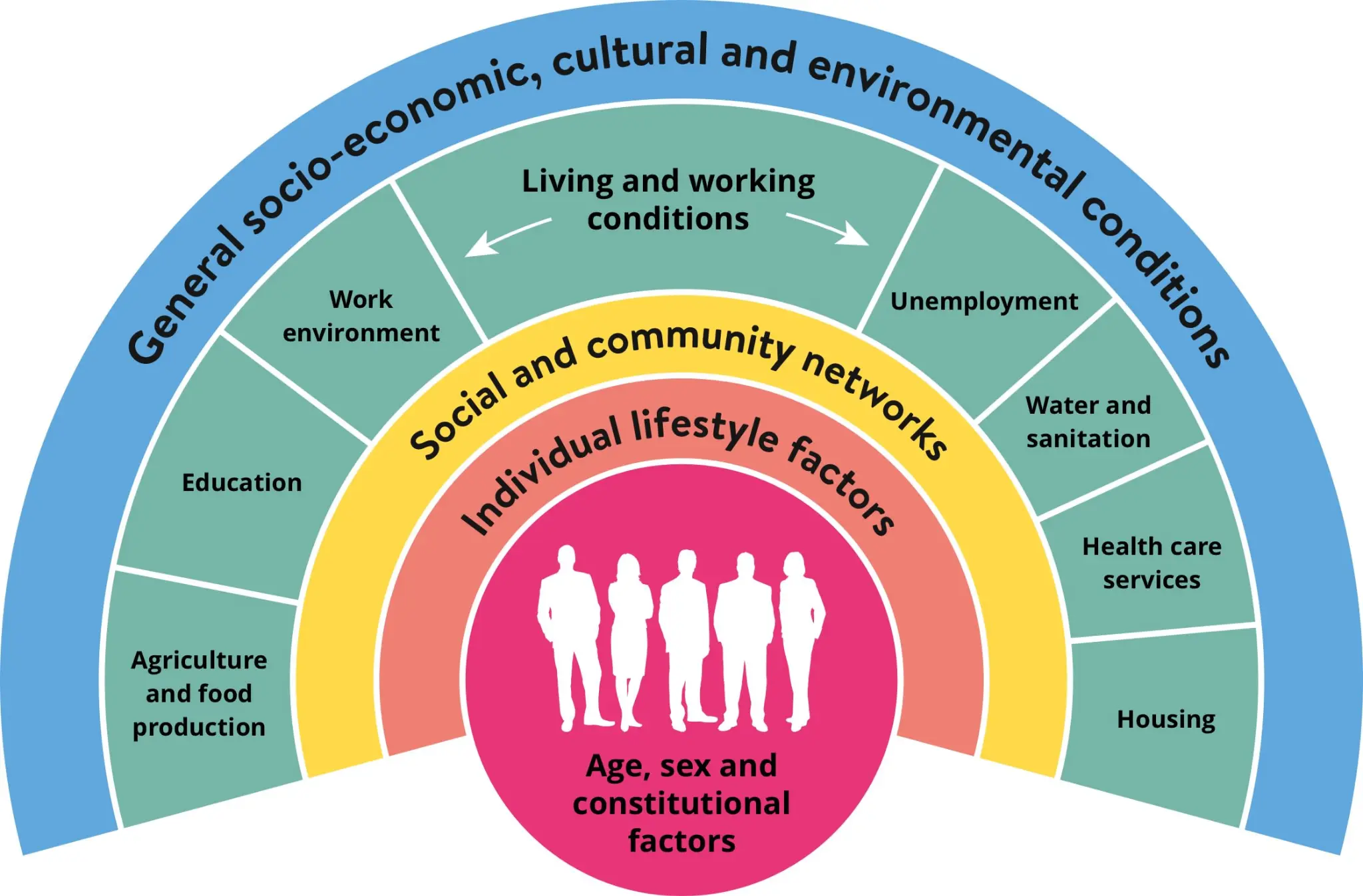
Figure 1: Determinants of health inequalities
- Social Determinants: In this case, elderly people become socially isolated and lonely most of the time due to poor company or no interaction. Scientific research studies reveal that loneliness poses a major threat to such effects as depression, decline in mental health, and the emergence of heart diseases. Some examples of programs that might moderate the impact of these factors include befriending services and local activity groups (Hansberry, and Gerhardt, 2023).
- Economic Determinants: People’s incomes determine which health care services they can avail themselves of, what kind of food they are able to eat, and under what lodging circumstances (Wong et al. 2021). Older people on pension or benefit have to pay for their basic needs like heating, healthy foods, or private health facilities; therefore, their health will be poor. Stress and financial problems are inextricably related due to the health issues that come with it.
- Environmental Determinants: Researchers found out that dwelling and neighborhood characteristics are determinants of health. Living in inadequate housing characterized by dampness, inadequate heating, and inaccessible space leads to respiratory diseases, falls, and mobility problems, respectively. Pollution in the Hounslow urban areas also affects respiratory conditions among patients with such diseases as asthma and chronic bronchitis.
- Cultural Determinants: Hounslow is ethnically diverse, encompassing persons of colour coming from the younger and the older population that has its origin in South Asia. Each group entails different cultural values towards health, food intake, and the use of health facilities. Lack of effective communication in two languages and cultural prejudices can become an obstacle to the provision of proper and necessary treatment.
Representation of Epidemiological Data
From PHE or Public Health England and JSNA, priority health needs concerning the elderly population in the Hounslow have been established as follows;
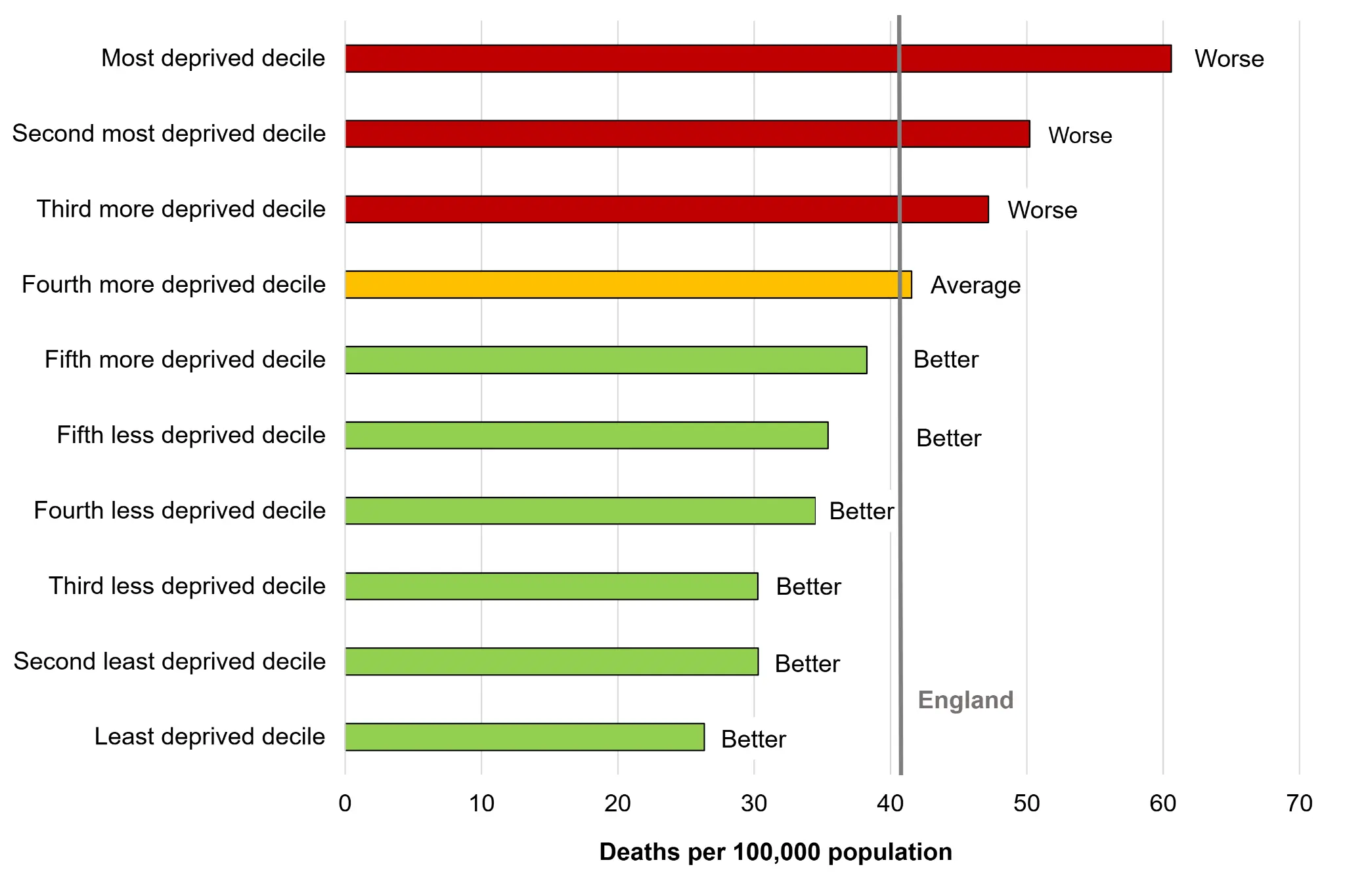
Figure 2: Cardiovascular Disease Profiles
Life Expectancy: The male life expectancy at birth to 80:7, and females' is 84:6, and the gap between rich areas and poor areas has grown considerably. Males in the most deprived areas die at the age of sixty-five, while males in the least deprived areas die at the age of seventy-two.
Chronic Conditions: According to the assessments, about 60% of the population of over 65 years in the Hounslow council area has one or more long-term conditions, hypertension, followed by diabetes and arthritis.
Mental Health: Statistics show that prevalence of depression and anxiety is on the rise in the elderly, and it is estimated that over 20% of geriatrics suffer from some form of mental disorders (Beaney et al. 2022). There is also the prevalence of dementia that requires improvements in the services meant to support these patients. This is because falls have continued to be one of the leading causes of hospitalizations and reduced mobility among elderly people. Ideally, 30% of the adults above 65 years fall at least once in one year; this results in fractures and life-changing disabilities. It is evident that over 65 people of Hounslow have a health inequality shaped by behavioral risk factors and social determinants. Some of the population have long-term illnesses, with mental health concerns and difficulties in mobility, which makes it crucial to focus on health needs. Eradicating these inequalities involves raising awareness of and interest in using the health care facilities, supporting the community-based organizations, and coming up with relevant and special health awareness campaigns in order to improve Hounslow’s elderly’s quality of life.
4. Role of Nurse and Opportunities
Nursing associates have a vital responsibility of promoting health and reducing ill health since they are in between the registered nurses and the health care assistants. They are employed in different healthcare facilities and are involved in the promotion and delivery of care to all patients in their ages appropriately. The Introduction to Understanding Health and Illness supports the idea that nursing associates play a key role in translating health knowledge into patient-centred interventions. Others include disease prevention, teaching people about disease, and enabling the patients to make good decisions regarding their health. Nursing associates play an important role in promotion services that prevent the occurrence of diseases such as vaccination and screening services, and management of chronic diseases (Shearwood, 2022).
Analyzing the health profile of people aged 65 and over in Hounslow showed the major health inequalities and risks that can be utilised in designing health-enhancing programmes. The analysis of the common diseases showed that more attention should be paid to cardiovascular diseases, diabetes, and respiratory conditions; therefore, interventions at various levels are needed. Other community interventions like diet, physical inactivity, smoking cessation, as well as knowledge enhancement camps can reduce risk promoter behaviour. Working with the social health services in the care of the older adults who have one or more chronic illnesses. A need to target the ethnic minority groups within the Hounslow area in order to deliver culturally sensitive care. Bridging the implemented national policies of the country and applying these in local settings in order to improve the delivery of preventive care as discussed in the NHS England Long Term Plan. We also support the development of Public Health England’s strategies, such as the Ageing Well programme. Contribution to nationwide campaigns on fall prevention, dementia awareness, and vaccinations. Individual teaching and counseling regarding adherence to a healthy diet, exercise, and other behaviors for behavior change in chronic illnesses. The final substantial element of the intervention relates to motivational interviewing techniques aimed at promoting the patient’s adherence to medication and recommended lifestyle changes. Health check-ups to determine the presence of these risks and to be able to intervene at an early stage.
Alignment with the standard of NMC
This approach to the role of NAs is supported by the Nursing and Midwifery Council and is evident in the second platform of standards of proficiency that relates to Health Promotion and Disease Prevention. This framework underlines how nursing associates are relevant for changing the culture that will allow the population, including the frailty older adults in Hounslow, to improve its life patterns. This involves teaching the individuals on the right diet, exercise, how to quit smoking, and the importance of adherence to the recommended medication for improved health (Zhang et al. 2022). The other key competency is providing care and education on self-care practices as well as management of chronic conditions among patients. Considering the fact that the majority of the over-65 population suffer from chronic diseases such as cardiovascular disease, diabetes, and dementia, nursing associates can facilitate self-management of the conditions, medications administration, and rehabilitation as per the clients’ needs and preferences.
Conclusion
The age over-65 population in Hounslow also reveals poor health status whereby heart disease, diabetes, and dementia are some of the health issues that are common among the population. Smoking, poor diet, and lack of physical activity are associated with such diseases, while economic disadvantage and unavailability of health care are social determinants in health that make the disease disparities worse. There is a significance of the role of nursing associate in dealing with such matters as those involving health promotion, self-care, as well as working together with other team members that provide treatments. Preventative initiatives should be enhanced as an approach to addressing health concerns for the improvement of health standards. For instance, there could be establishment of local physical activity programs and nutrition workshops that help the people to develop healthier lifestyles. This can be achieved by expanding the number of screening efforts for chronic diseases as well as early treatment services. They can also benefit from better cooperation between healthcare and social services in order to overcome health literacy, access to transportation, or financial difficulties of clients. By working in these areas, the healthcare professionals, including nursing associates, can significantly contribute to the decrease of health gaps and the improvement of the elderly’s quality of life in Hounslow.
References
- Bennett, R. (2022). London’s richest and poorest boroughs: The average incomes in 2022 where you live. MyLondon. Available at: https://www.mylondon.news/lifestyle/londons-richest-poorest-boroughs-average-23380005. (Accessed: 15 March 2025)
- Centre for Ageing Better (2023). Summary: The State of Ageing 2023-24. ageing-better.org.uk. Available at: https://ageing-better.org.uk/summary-state-ageing-2023-4. (Accessed: 02 March 2025)
- Centre For London (2023). About The London Borough of Hounslow. centreforlondon.org. Available at: https://centreforlondon.org/conference/london-conference-2023/sponsors/about-the-london-borough-of-hounslow/. (Accessed: 15 March 2025)
- E-lfh.org.uk. (2025). All Our Health: Falls and Fractures. e-LfH. Available at: https://portal.e-lfh.org.uk/LearningContent/LaunchForGuestAccess/605805 (Accessed 23 March 2025).
- Faculty of Public Health (2017). Section 2: Illness as a social role. Healthknowledge.org.uk. Available at: https://www.healthknowledge.org.uk/public-health-textbook/medical-sociology-policy-economics/4a-concepts-health-illness/section2?form=MG0AV3&form=MG0AV3 (Accessed: 12 March 2025)
- Health Prospectus (2024). Hounslow Market Position Statement - 2024. Available at: https://democraticservices.hounslow.gov.uk/documents/s191678/Appendix%201%20-%20Health%20Prospectus%202024.pdf (Accessed 19 March 2025).
- Krahn, G.L. et al. (2021). It’s time to Reconsider How We Define Health: Perspective from disability and chronic condition. Disability and Health Journal, 14(4), pp. 1-3. Available at: https://doi.org/10.1016/j.dhjo.2021.101129 (Accessed: 02 March 2025)
- Larkin, M. (2013). Health and well-being across the life course. London: Sage.
- London Borough of Hounslow. (n.d.). Population Report for Hounslow. stats.hounslow.gov.uk. Available at: https://stats.hounslow.gov.uk/population/#/view-report/63aeddf1d7fc44b8b4dffcd868e84eac/___iaFirstFeature/G3. (Accessed 16 March 2025)
- Naidoo, J. and Wills, J. (2016). Foundations for Health Promotion. 4th ed. London: Elsevier.
- NICE (2017). Falls in Older people: Prevention NICE Quality Standard Draft for Consultation. Available at: https://www.nice.org.uk/guidance/qs86/documents/draft-quality-standard-2. (Accessed 23 March 2025)
- NICE (2013). Recommendations. Preventing falls in older people. Nice.org.uk. Available at: https://www.nice.org.uk/guidance/cg161/chapter/recommendations#multifactorial-assessment-or-multifactorial-falls-risk-assessment. (Accessed 23 March 2025)
- Office for Health Improvement and Disparities (2022). Healthy ageing: applying All Our Health. GOV.UK. Available at: https://www.gov.uk/government/publications/healthy-ageing/healthy-ageing-applying-all-our-health?form=MG0AV3#why-promote-healthy-ageing-in-your-professional-practice (Accessed: 12 March 2025)
- Ons.gov.uk. (2021). Census Maps - Census 2021 interactive data. Available at: https://www.ons.gov.uk/census/maps/choropleth?lad=E09000018 (Accessed 16 March 2025)
- World Health Organization (2021a). Cardiovascular diseases (CVDs). World Health Organisation. Available at: https://www.who.int/news-room/fact-sheets/detail/cardiovascular-diseases-%28cvds%29?form=MG0AV3. (Accessed: 14 March 2025)
- World Health Organization (2021b). Falls. World Health Organisation. Available at: https://www.who.int/news-room/fact-sheets/detail/falls. (Accessed: 14 March 2025)
- World Health Organization (1986). The 1st international conference on health promotion, Ottawa, 1986. World Health Organisation. Available at: https://www.who.int/teams/health-promotion/enhanced-wellbeing/first-global-conference. (Accessed: 12 March 2025)
- Wong, K.Y., Davies, B., Adeleke, Y., Woodcock, T., Matthew, D., Sekelj, S., Orlowski, A., Porter, B., Hashmy, S., Mathew, A. and Grant, R., 2021. Hospital admissions for stroke and bleeding in Hounslow following a quality improvement initiative. Open Heart, 8(1), p.e001558.
- Moyo-Hlahla, E.L., 2024. Reducing health inequalities for marginalised populations by improving access to hepatitis C virus testing and treatment. Primary Health Care, 34(4).
- Hansberry, P. and Gerhardt, T., 2023. A tripartite understanding of experiences of young apprentices: A case study of the London Borough of Hounslow. International Review of Education, 69(1), pp.175-206.
- Beaney, T., Clarke, J.M., Grundy, E. and Coronini-Cronberg, S., 2022. A picture of health: determining the core population served by an urban NHS hospital trust and understanding the key health needs. BMC Public Health, 22(1), p.75.
- Shearwood, M., 2022. A summer on Hounslow Heath: Combined army operations in late-seventeenth-century England. War in History, 29(3), pp.525-542.
- Zhang, Y., Cao, M., Cheng, L., Gao, X. and De Vos, J., 2022. Exploring the temporal variations in accessibility to health services for older adults: A case study in Greater London. Journal of Transport & Health, 24, p.101334.
- Asaria, P., Bennett, J.E., Elliott, P., Rashid, T., Daby, H.I., Douglass, M., Francis, D.P., Fecht, D. and Ezzati, M., 2022. Contributions of event rates, pre-hospital deaths, and deaths following hospitalisation to variations in myocardial infarction mortality in 326 districts in England: a spatial analysis of linked hospitalisation and mortality data. The Lancet Public Health, 7(10), pp.e813-e824.
Recently Downloaded Samples by Customers
Introduction to Wellbeing in Society Assignment Sample Wellbeing comprehends quality of life [QoL] and potential of communities...View and Download
Introduction Master patent race concepts and innovation management with Assignment Help UK, exploring how R&D investment and...View and Download
Introduction - International Trade Assignment Sample International trade means the exchange of goods, services and capital...View and Download
Introduction Social science may be stated as the study of people, including individuals, society, and community and the way they...View and Download
Introduction Get free samples written by our Top-Notch subject experts for taking online Assignment...View and Download
Introduction to Digital Marketing and Social Media for a Global Market Digital marketing refers to a practices of marketing and...View and Download