
Case Studies in Pathology Compendium of Cases Answers
Case Studies in Pathology Compendium of Cases with detailed answers on hematological disorders, diagnostic approaches, clinical reasoning, and management strategies.

- Introduction: Understanding Pathology in Clinical Case Studies
- Case 1: Clinical Analysis of Mr. J with Chronic Myeloid Leukemia
- Question 1: Possible Explanations for Symptoms and Laboratory Results
- Question 2: Specific Diagnosis and Underlying Pathology
- Question 3: Treatment, Resistance Mechanisms, and Prognosis
- Case 2: Clinical Analysis of Mr. F with Multiple Myeloma
- Question 1: Possible Differential Diagnoses for Mr. F
- Question 2: Firm Diagnosis for Mr. F
- Question 3: Management Plan for Mr. F
- Type Case Study
- Downloads1869
- Pages17
- Words4160
Introduction: Understanding Pathology in Clinical Case Studies
Understanding pathology is important for nurses because it significantly provides the basis for comprehending disease methods, analysing diagnostic tests, and executing practical patient care. This report aims to significantly analyses the clinical scenario of Mr J, who is a 33-year-old male. According to his medical case, he suffered from fatigue, night sweats, left upper abdominal discomfort, and laboratory findings suggestive of a haematological disorder. The medical result significantly indicates that he needs a thorough understanding of the pathology and treatment options. Also, this report is going to cover an accessible overview of Mr F’s (Case 1) health situation, which is marked by significant symptoms including severe rib pain and fatigue. Mr F, a 61-year-old male (Case 2), sought medical attention due to rib pain following a recent fall. Asper his medical history, physical examination, and laboratory tests suggest a complex underlying health issue. Moreover, this report also significantly generates some recommended management strategies to improve his health.
Reference materials and sample papers are provided to help students understand assignment structure and improve academic skills. We, as an assignment writing help service, guide students while maintaining original work. The Case Studies in Pathology Compendium of Cases Answers sample highlights clear case analysis, organized observations, and critical discussion of findings. These resources are intended solely for study and reference purposes.
Case 1: Clinical Analysis of Mr. J with Chronic Myeloid Leukemia
Mr. J, a 33-year-old male, presented with fatigue, night sweats, and left upper abdominal discomfort. Laboratory findings showed an elevated white blood cell count and splenomegaly. These results suggest a haematological disorder, with chronic myeloid leukemia being the most likely diagnosis. A thorough understanding of the pathology, cytogenetic testing, and blood film analysis is essential to guide treatment and monitor disease progression.
Question 1: Possible Explanations for Symptoms and Laboratory Results
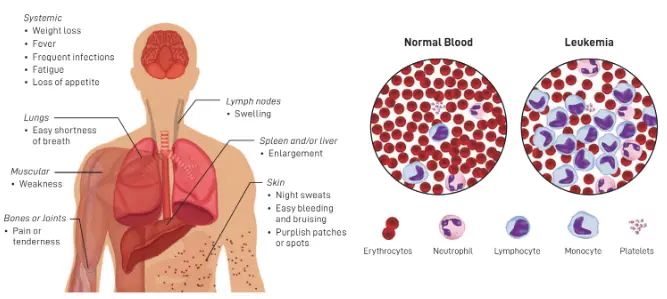
As per the case study, it is easy to understand Mr. J has some potential symptoms that impact his health. Those symptoms are fatigue, night sweats, and abdominal discomfort, combined with laboratory findings. Especially an elevated white blood cell (WBC) count of 61 x 10^9/L and splenomegaly. The Case Studies in Pathology Compendium of Cases provides similar examples showing how careful correlation of clinical features and lab results can guide diagnosis. Also, it significantly suggests a myeloproliferative neoplasm (MPN), with a powerful suspicion toward chronic myeloid leukaemia (CML) due to the existence of typical white cell precursors (metamyelocytes, myelocytes, and promyelocytes) in the blood film.
- Other Leukaemia: Acute myeloid leukaemia (AML) can be harm health due to the atypical cells however, the chronicity of symptoms and the degree of differentiation observed lean more towards CML (Kumar & Stewart 2024). Distinguishing between these two leukaemia is essential to effectively consider some possible treatments and approaches to reduce this disease.
- Vascular Issues: In vascular issues, splenomegaly including hypertension or haematological disorders generally signifies such manifestation that has been faced by the patient. However, the results obtained from the laboratory tests were more aligned with leukaemia than vascular pathology (Van et al. 2021). Also, other haematological disorders, such as polycythemia vera or critical thrombocythemia, can also effectively lead to splenic enlargement, but again, the findings favour a diagnosis of CML (Tefferi et al. 2024).
- Chronic Myeloid Leukemia (CML): CML is significant given the high WBC count and the presence of immature myeloid cells (Mishra et al. 2021). The elevated uric acid level (645 µmol/L) is compatible with grown cellular turnover typically seen in CML. Also, the Philadelphia chromosome a hallmark of CML, may be present, supporting the diagnosis process.

 7 Years | MSc in General Science
Figure 1: Common Symptoms of Leukemia
Reactive Process
This effective process condition such as an infection or inflammation may cause leukocytosis (Barichello et al. 2022). However, the absence of other signs (e.g., fever, lymphadenopathy) and the specific findings point out from a reactive process. However, Mr J’s blood flow effectively suggests a more intrinsic haematological disorder.
Ruling Out Possible Causes
- Cytogenetic Analysis: To identify specific chromosomal abnormalities (e.g., t(9;22) translocation associated with CML) (Balk et al. 2021). This analysis can effectively help and support in confirming the diagnosis and may also guide treatment decisions.
- Flow Cytometry: Assessing surface markers on cells may help in the identification of specific leukemic subtypes (Weeda et al. 2022). This technique can be particularly helpful in distinguishing between CML and other forms of leukaemia.
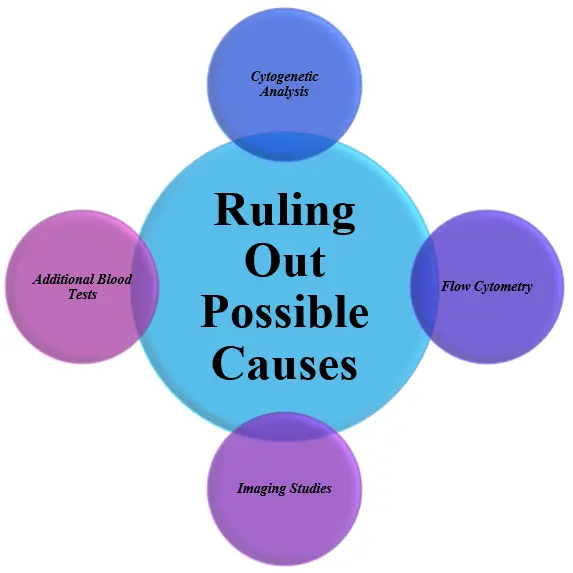
Figure 2: Possible Causes
- Imaging Studies: An abdominal ultrasound or CT scan can effectively evaluate the spleen and liver size more accurately and rule out other potential causes of splenomegaly (Roccarina et al. 2024).
- Additional Blood Tests: To rule out infections (CBC with differential, blood cultures) as part of the differential diagnosis (Agnello et al. 2021). Also, some other tests can significantly include a complete metabolic panel to assess liver and renal function, correlating with symptoms of fatigue and abdominal discomfort.
Question 2: Specific Diagnosis and Underlying Pathology
The cytogenetic analysis significantly reveals that a t(9;22) translocation confirms the diagnosis of CML. Also, the Philadelphia chromosome presence is effectively associated with the BCRABL fusion gene (Ma et al. 2023). Most importantly some potential and significant things of Pathology are represented below
- Metabolic Consequences: The elevated uric acid levels stem from the rapid turnover of purine nucleotides during the expansion of leukemic cells. This hyperuricemia can effectively lead to gout or acute kidney injury (Du et al. 2023). Also, the high cell turnover can effectively result in a high blood lactate level which significantly contributes to metabolic disturbances.
- Treatment Considerations: The cornerstone of treatment for CML includes tyrosine kinase inhibitors (TKIs) such as imatinib, which particularly target the BCRABL fusion protein, providing a targeted therapeutic approach that has significantly enhanced patient outcomes in an appropriate way (Rangraze et al. 2025).
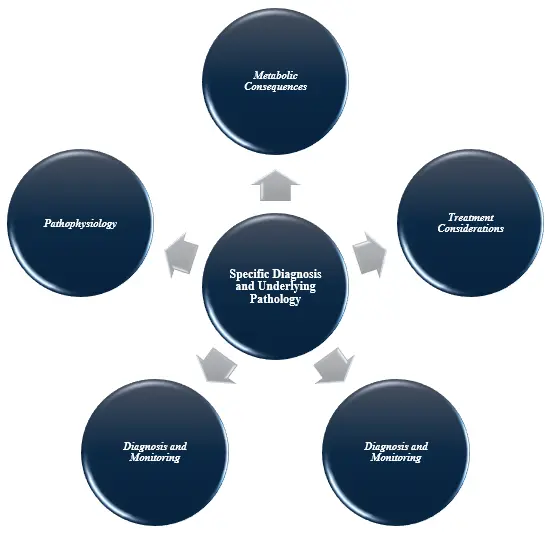
Figure 3: Specific Diagnosis
- Diagnosis and Monitoring: Diagnosis is effectively supported by peripheral blood smears that significantly show increased white blood cell counts, often with myeloid precursors (Prasad et al. 2022). Also, bone marrow biopsy may reveal hypercellularity with improved myeloid lineage. The Case Studies in Pathology Compendium of Cases emphasizes how structured monitoring, including quantitative PCR, is essential to track disease progression and response to therapy.
- Pathophysiology: The BCRABL fusion protein is a constitutively active tyrosine kinase that promotes cell proliferation and inhibits apoptosis (Boni & Sorio 2021). This also significantly leads to excessive proliferation of myeloid cells, contributing to the leukocytosis followed. Most importantly, the overproduction of these cells occurs in the bone marrow, disrupting normal hematopoiesis.
Question 3: Treatment, Resistance Mechanisms, and Prognosis
Treatment Options
First-Line Treatment
The cornerstone of treatment for CML is Gleevec (imatinib), a targeted therapy that particularly inhibits the BCR-ABL tyrosine kinase (Niu et al. 2023). This fusion protein results from the Philadelphia chromosome translocation. Also, it significantly plays an important role in the uncontrolled proliferation of leukemic cells. By blocking this kinase, Gleevec significantly decreases the growth of these cells (Chen et al. 2021). Also, it leads to improved clinical outcomes. Most patients respond well to Gleevec, and many achieve a complete cytogenetic response, which is often characterized by a decrease or absence of the Philadelphia chromosome in their blood or bone marrow.
Alternative Therapies
In cases where patients suffer from Gleevec failure or develop resistance, alternative therapeutic strategies become necessary. That is why some potential and significant alternative therapies are represented below-
Allogenic Stem Cell Transplantation (SCT)
For younger patients or those with more aggressive diseases who do not respond to TKIs, allogeneic stem cell transplantation is considered (Fujimoto et al. 2021). This procedure effectively involves replacing diseased bone marrow with healthy bone marrow from a consistent donor. It can also appropriately provide a potential cure but carries a range of risks, including graft-versus-host disease and transplant-related complications. Thus, careful patient selection and timing are essential.
Get assistance from our PROFESSIONAL ASSIGNMENT WRITERS to receive 100% assured AI-free and high-quality documents on time, ensuring an A+ grade in all subjects.
Second-generation tyrosine Kinase Inhibitors (TKIs)
Drugs e.g., Dasatinib and Nilotinib evolved as meaningful alternatives for patient care treatments in the place of Gleevec. These are considered as TKIs that have been produced to mark BCR-ABL in an effective manner. These also effectively work if there are common mutations that exist that are related to the Gleevec resistance. For example, the critical and unique mechanism of Dasatinib allows it to function against a range of mutations effectively. Such mutations secure this alternative as a valuable second-generation choice in the field of care practice.
Mechanisms of Gleevec Resistance
Comprehending the Gleevec resistance mechanism is crucial as it helps develop or create possible strategies for overcoming therapeutic challenges.
- Amplification of BCR-ABL: this practice results in or provides an outcome in the fusion protein’s overproduction (Cohen et al. 2021). This improved expression can overcome Gleevec’s ability to hinder the kinase activity which is effectively leading to its treatment failure.
- BCR-ABL Mutations: Point transformations in the ABL domain of the BCR-ABL protein can cause Gleevec weak (Liu et al. 2022). These modifications typically affect the kinase's critical site, preventing the TKI from exercising its inhibitory effect. Certain mutations, such as T315I, are notably resistant to existing TKIs, necessitating the investigation of newer agents.
- Alternative Signaling Pathways: Leukoemic cells may activate alternative survival pathways that bypass the need for BCR-ABL activity. For example, signalling through pathways affecting cytokines can boost cell survival, permitting cancer to thrive despite decreased BCR-ABL activity and explaining why some patients show disease progression despite therapy (Amarante et al. 2022).
Case 2: Clinical Analysis of Mr. F with Multiple Myeloma
Mr. F, a 61-year-old male, experienced severe rib pain and fatigue following a recent fall. Laboratory investigations revealed anemia, elevated calcium levels, and abnormal protein accumulation. These findings indicate multiple myeloma, a complex haematological malignancy affecting bone and marrow function. Early diagnosis and a structured management plan, including supportive care and lifestyle adjustments, are vital to improve his overall health outcomes.
Question 1: Possible Differential Diagnoses for Mr. F
Based on Mr. F's symptoms and laboratory results, various potential health conditions can significantly define his clinical presentation.
- Pneumonia: Mr. F has respiratory complications that can cause serious diseases and higher mortality. It is extremely necessary to start proper treatment to prevent complications such as respiratory failure. If his pneumonia is being treated continuously, there might be a possibility that there is an underlying infection that will keep him hospitalized for proper care (Baydoun et al. 2024). Proper care on time is extremely necessary to keep him in a healthy state and prevent complications.
- Osteoporosis and Fractures: The x-ray results show that Mr. F has broken ribs and problems with his spine, which could mean he has osteoporosis. This condition is common in older people and can happen when the body doesn't get enough vitamin D, along with other factors (Tintut & Demer 2021). To understand how serious Mr. F's bone problems are, a special test called a DEXA scan can measure his bone strength. Treatment usually includes medications like calcium and vitamin D, along with steps to reduce the risk of falling (Sangondimath & Sen 2023).
- Multiple Myeloma: Mr. F’s tiredness, bone pain, and unusual blood test results, like low hemoglobin and strange protein levels, make doctors worried about a condition called multiple myeloma, which is a type of blood cancer (Vijjhalwar et al. 2023). His blood test revealed an odd pattern. The pattern indicates that there are too many aberrant proteins in his system. Damage to his bones, which occurs in this condition, may also be the source of the bone pain. The doctor here may need to perform other tests, for example as examining his kidneys, screening his blood for abnormal proteins, or having a sample from his bone marrow, in order to confirm what's wrong. (Hildenbrand et al. 2023).
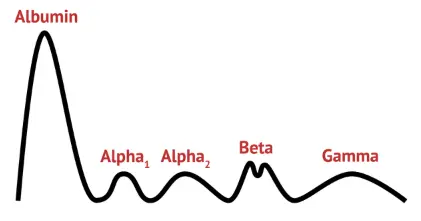
Figure 4: Multiple myeloma
Other Considerations
It’s important to consider other conditions, like kidney failure, which can cause similar symptoms and make problems like high calcium levels worse. Kidney failure can affect many parts of the body, and doctors need to rule it out to get the full picture of Mr. F’s health. To check for kidney problems, the doctor may perform tests that look at how well his kidneys are working. These tests can help doctors understand if kidney issues are adding to Mr. F’s symptoms and if they need to be treated along with his other health concerns.
Question 2: Firm Diagnosis for Mr. F
The current diagnostic results significantly clarify Mr. F’s condition and point toward a potential diagnosis of multiple myeloma, a haematological malignancy. Which are significantly indicated by the strange accumulation of plasma cells in the bone marrow.
Serum Protein Electrophoresis (SPE) Pattern
The test results show a spike in a specific protein, which means that there’s a large number of abnormal cells in Mr. F’s body making too much of one type of antibody. This is a sign of multiple myeloma, a type of blood cancer. These extra cells can cause various problems and may show up in tests on his blood or urine. Monitoring this protein spike is important because it helps doctors understand how serious the disease is, how it's progressing, and whether the treatments are working to control it.

Figure 4 : SPE Pattern
Hemoglobin Level
As per the overall report of Mr. F, was easy to understand he has a low haemoglobin level, also a clear sign of anaemia. Anaemia is a general problem in patients with numerous myelomas, mainly due to the infiltration of malignant plasma cells in the bone marrow, where red blood cells are produced. Red blood cell counts decrease due to defective cells that are entering Mr. F's body and influencing the production of healthy red cells. These produce symptoms such as weakness, fatigue, and pallor. Furthermore, anaemia will worsen his overall health, decreasing his quality of life and making him more difficult to treat. It is imperative that the anaemia is treated in order to enable Mr. F's symptoms and overall state of health to improve. Treatment of this will form an important aspect of his treatment in order to make him feel better and enable physicians to treat his other ailments more easily.
Figure 5: Hemoglobin Level
Calcium Level
The identification of high calcium levels is effectively important to appropriately understand Mr. F’s current health condition. Hypercalcemia is usually noticeable into numerous myeloma patients, also, high calcium levels can lead to a variety of symptoms, including nausea, vomiting, fatigue, constipation, and confusion. Mr. F's results obviously show that he has symptoms consistent with the presentation of multiple myeloma. elevated calcium levels, hypercalcemia, should be investigated and treated because if left untreated, it can lead to extreme pain and other serious complications. Immediate treatment is needed to prevent further complications. By understanding and managing these issues, doctors can help ease Mr. F’s discomfort and improve his overall condition. Timely action is essential to avoid worsening his symptoms and to ensure that his health is properly managed moving forward.
Question 3: Management Plan for Mr. F
Managing Mr. F, who effectively suffered from different complex health issues. It was essential to generate an effective and significant main management treatment. Because without some effective main management plan, it was critical to recover a patient who suffered from different health issues. Most importantly some effective pain management or patient management plans are represented below-
- Treatment for Multiple Myeloma: The advanced nature of the numerous myeloma diseases in the patient makes the treatment for him difficult. The therapy’s cornerstone typically consists of chemotherapy and agents usually employed to oversight manifestations. Consultation with the haematologist is important to assess the patient’s condition and tailor treatments accordingly. Additionally, regular review of the patient’s calculus level and renal function by the team can reduce their adverse impacts on the body.
- Supportive Patient Care: In the case of Mr. F, supportive care is essential to make his condition related to anaemia. This disease can contribute to other manifestations including weaknesses, failures, and lowering of the life quality. In order to administrate this condition, the care plan needs to be included with any blood transfusion techniques. In addition to this, routine monitoring of the blood counts of the patient is paramount as it can assess the effectiveness of the therapy and can further make any adjustments in the treatment accordingly. The Case Studies in Pathology Compendium of Cases highlights similar approaches, showing how organized supportive care improves patient comfort and overall outcomes.
- Bone Health Management: Mr. F faces some potential challenges that are significantly related to bone health. His medication has to emphasised to promote cure and medication to improve bone structure due to he has poor rib fractures and vertebral collapse due to osteoporosis. It is imperative to treat Mr. F's osteoporosis to prevent more complications and improve his life. Physicians can provide medication such as alendronate or risedronate to improve his bones. It is also very important that he is given supplements to provide him with sufficient calcium and vitamin D, which will maintain his bones healthy. The healthcare team can also consider talking to specialists to monitor and correct Mr. F's bone status in the long run, making his bones healthy and strong for a long time. Development prescriptions or sets management through changing lifestyle by changing the habits and diets can help Mr. F's bone issues. These transformations or possible therapies decrease fracture risk related to the health of Mr. F and his bone issues.
- Lifestyle Modifications: Lifestyle changes play an effective role in significantly enhancing a patient’s health issues. Most importantly as per case study two it was easy to understand Mr.F faced different types of health issues which is why he changed his daily lifestyle such as maintaining his diet and other significant things. Then Mr.F can effectively improve his health outcomes. Also, as per the analysis, his health condition is mainly saturated because of his smoking habit. Most importantly providing medication to Mr. F with proper resource management can effectively help him to enhance his health condition in an appropriate way. Also, engaging him in gentle physical activity may help in providing support to enhance muscle strength and quality of life.
Conclusion
As per the overall analysis, it is easy to understand that Mr. J's clinical presentation and laboratory results significantly indicate he can be stuffed from CML. Also, as per the analysis if Mr. F significantly maintain his daily lifestyle and other health management strategies then he can effectively overcome his health condition. Also, with an appropriate understanding of the biological factors of his health issues, it was easy to provide appropriate insight which is related to the treatment approaches and the mechanisms of drug resistance. All these processes are essential for developing an effective management plan to move forward. Most importantly, Mr. J’s clinical presentation also strongly suggests CML and including laboratory tests and genetic studies he also significantly needs an appropriate treatment. Because it is necessary to confirm the diagnosis and establish an appropriate management plan.
References
- Agnello, L., Giglio, R. V., Bivona, G., Scazzone, C., Gambino, C. M., Iacona, A., ... & Ciaccio, M. (2021). The value of a complete blood count (CBC) for sepsis diagnosis and prognosis. Diagnostics, 11(10), 1881. Retrieved on:24.03.2025 from: https://www.mdpi.com/2075-4418/11/10/1881
- Amarante-Mendes, G. P., Rana, A., Datoguia, T. S., Hamerschlak, N., & Brumatti, G. (2022). BCR-ABL1 tyrosine kinase complex signaling transduction: challenges to overcome resistance in chronic myeloid leukemia. Pharmaceutics, 14(1), 215. Retrieved on:24.03.2025 from: https://www.mdpi.com/1999-4923/14/1/215
- Balk, B., Fabarius, A., & Haferlach, C. (2021). Cytogenetics of chronic myeloid leukemia (CML). In Chronic Myeloid Leukemia (pp. 1-16). Cham: Springer International Publishing. Retrieved on:24.03.2025 from: https://link.springer.com/chapter/10.1007/978-3-030-71913-5_1
- Barichello, T., Generoso, J. S., Singer, M., & Dal-Pizzol, F. (2022). Biomarkers for sepsis: more than just fever and leukocytosis—a narrative review. Critical care, 26(1), 14. Retrieved on:24.03.2025 from: https://link.springer.com/article/10.1186/s13054-021-03862-5
- Baydoun, S., Awaida, I., & Naufal, N. (2024). Accidental Intravenous Administration of Milk in a Newborn: A Case Report on Management Strategies and Prevention Protocols. Cureus, 16(11). Retrieved on:24.03.2025 from: https://link.springer.com/article/10.1186/s13017-023-00518-3
- Boni, C., & Sorio, C. (2021). Current views on the interplay between tyrosine kinases and phosphatases in Chronic Myeloid Leukemia. Cancers, 13(10), 2311. Retrieved on:24.03.2025 from: https://www.mdpi.com/2072-6694/13/10/2311
- Chen, L., Dai, L., Yan, D., Zhou, B., Zheng, W., Yin, J., ... & Chen, J. (2021). Gleevec and rapamycin synergistically reduce cell viability and inhibit proliferation and angiogenic function of mouse bone marrow-derived endothelial progenitor cells. Journal of Vascular Research, 58(5), 330-342. Retrieved on:24.03.2025 from: https://karger.com/jvr/article/58/5/330/819997
- clevelandclinic.org, (2025), Peripheral Artery Disease. Retrieved on:24.03.2025 from:https://my.clevelandclinic.org/health/diseases/17357-peripheral-artery-disease-pad
- Cohen, P., Cross, D., & Jänne, P. A. (2021). Kinase drug discovery 20 years after imatinib: progress and future directions. Nature reviews drug discovery, 20(7), 551-569. Retrieved on:24.03.2025 from: https://www.nature.com/articles/s41573-021-00195-4
- conquer-magazine.com, (2025), Resistant Chronic Myeloid Leukemia: Starting Over Again. Retrieved on:24.03.2025 from:https://conquer-magazine.com/issues/special-issues/july-2020-resistant-cml-starting-over-again
- Cortes, J., & Lang, F. (2021). Third-line therapy for chronic myeloid leukemia: current status and future directions. Journal of Hematology & Oncology, 14(1), 44. Retrieved on:24.03.2025 from:https://link.springer.com/article/10.1186/s13045-021-01055-9
- drlogy.com, (2025), 14 Best Step by Step Guide For Patient Care Management Strategies. Retrieved on:24.03.2025 from: https://drlogy.com/blog/patient-care-management
- Du, Y., Li, J., Ye, M., Guo, C., Yuan, B., Li, S., & Rao, X. (2023). Hyperuricemia-Induced Acute Kidney Injury in the Context of Chronic Kidney Disease: A Case Report. Integrative Medicine in Nephrology and Andrology, 10(4), e00008. Retrieved on:24.03.2025 from:https://journals.lww.com/imna/fulltext/2023/12000/hyperuricemia_induced_acute_kidney_injury_in_the.8.aspx?context=latestarticles
- everydayhealth.com, (2025), Acute Myeloid Leukemia (AML)? Symptoms, Causes, Diagnosis, Treatment, and Prevention. Retrieved on:24.03.2025 from: https://www.everydayhealth.com/leukemia/acute-myeloid-leukemia-aml-cancer-refractory-relapsed-prognosis-symptoms-treatment-more/
- Fujimoto, A., Ishida, F., Izutsu, K., Yamasaki, S., Chihara, D., Suzumiya, J., ... & Suzuki, R. (2021). Allogeneic stem cell transplantation for patients with aggressive NK-cell leukemia. Bone marrow transplantation, 56(2), 347-356. Retrieved on:24.03.2025 from: https://www.nature.com/articles/s41409-020-01009-8
- Hildenbrand, N., Klein, A., Maier-Hein, K., Wennmann, M., Delorme, S., Goldschmidt, H., & Hillengass, J. (2023). Identification of focal lesion characteristics in MRI which indicate presence of corresponding osteolytic lesion in CT in patients with multiple myeloma. Bone, 175, 116857. Retrieved on:24.03.2025 from: Retrieved on:24.03.2025 from:https://www.sciencedirect.com/science/article/pii/S8756328223001904
- Khanam, A., Hithamani, G., Naveen, J., Pradeep, S. R., Barman, S., & Srinivasan, K. (2023). Management of invasive infections in diabetes mellitus: A comprehensive review. Biologics, 3(1), 40-71. Retrieved on:24.03.2025 from: https://www.mdpi.com/2673-8449/3/1/4
- Kohli, V. K., Kohli, C., & Singh, A. (2022). Hematopathology of Red Blood Cells and White Blood Cells. In Comprehensive Multiple-Choice Questions in Pathology: A Study Guide (pp. 53-67). Cham: Springer International Publishing. Retrieved on:24.03.2025 from:https://link.springer.com/chapter/10.1007/978-3-031-08767-7_8
- Kumar, V., & Stewart IV, J. H. (2024). Obesity, bone marrow adiposity, and leukemia: Time to act. Obesity Reviews, 25(3), e13674. Retrieved on:24.03.2025 from: https://onlinelibrary.wiley.com/doi/abs/10.1111/obr.13674
- Laganà, A., Scalzulli, E., Bisegna, M. L., Ielo, C., Martelli, M., & Breccia, M. (2025). Understanding and overcoming resistance to tyrosine kinase inhibitors (TKIs) in Chronic myeloid leukemia (CML). Expert Review of Hematology, 18(1), 65-79. Retrieved on:24.03.2025 from:https://www.tandfonline.com/doi/abs/10.1080/17474086.2024.2440776
- Larnard, J., Berry, J., Majety, P., Moeng, L., Lille, M., & Lee, M. S. L. (2023). Patients who report night sweats. bmj, 381. Retrieved on:24.03.2025 from: https://www.bmj.com/content/381/bmj-2022-073982.abstract
- Liu, Y., Jang, H., Zhang, M., Tsai, C. J., Maloney, R., & Nussinov, R. (2022). The structural basis of BCR-ABL recruitment of GRB2 in chronic myelogenous leukemia. Biophysical Journal, 121(12), 2251-2265. Retrieved on:24.03.2025 from:https://www.cell.com/biophysj/fulltext/S0006-3495(22)00423-4
- Ma, J., Guan, J., & Chen, B. (2023). De nove Philadelphia chromosome-positive myelodysplastic syndromes with complex karyotype and p230 BCR:: ABL fusion transcript: a case report with a literature review. Hematology, 28(1), 2220220. Retrieved on:24.03.2025 from:https://www.tandfonline.com/doi/abs/10.1080/16078454.2023.2220220
- medschool.co, (2021), Serum Protein Electrophoresis. Retrieved on:24.03.2025 from:https://medschool.co/tests/myeloma-screen/serum-protein-electrophoresis
- Mishra, M. N., Odyuo, B., & Webster, J. (2021). Immature granulocyte percentage in early chronic myeloid leukemia. Journal of Applied Hematology, 12(4), 217-219. Retrieved on:24.03.2025 from: https://journals.lww.com/jaht/fulltext/2021/12040/immature_granulocyte_percentage_in_early_chronic.7.aspx
- Niu, Z. X., Wang, Y. T., Sun, J. F., Nie, P., & Herdewijn, P. (2023). Recent advance of clinically approved small-molecule drugs for the treatment of myeloid leukemia. European Journal of Medicinal Chemistry, 261, 115827. Retrieved on:24.03.2025 from: https://www.sciencedirect.com/science/article/pii/S0223523423007948
- Odabaş, E. N., Topçuoğlu, H., Aydoğan, T., Özer, V., & Karaca, Y. (2021). A rare cause of abdominal pain: Spontaneous rupture of the spleen. Journal of Surgery and Medicine, 5(4), 389-391. Retrieved on:24.03.2025 from: https://www.aafp.org/pubs/afp/issues/2021/0900/p271.html
- osmosis.org, (2025), Intrinsic hemolytic normocytic anemia: Pathology review. Retrieved on:24.03.2025 from:https://www.osmosis.org/learn/Intrinsic_hemolytic_normocytic_anemia:_Pathology_review
- osteoporosis.foundation, (2025), On World Osteoporosis Day, take five steps to better bone health. Retrieved on:24.03.2025 from:https://www.osteoporosis.foundation/news/world-osteoporosis-day-take-five-steps-better-bone-health-20221020-0109
- Pati, S., Irfan, W., Jameel, A., Ahmed, S., & Shahid, R. K. (2023). Obesity and cancer: a current overview of epidemiology, pathogenesis, outcomes, and management. Cancers, 15(2), 485. Retrieved on:24.03.2025 from: https://www.mdpi.com/2072-6694/15/2/485
- pmc.ncbi.nlm.nih.gov, (2023), DEXA and Imaging in Osteoporosis. Retrieved on:24.03.2025 from: https://pmc.ncbi.nlm.nih.gov/articles/PMC10721776/
- Prasad, V., Sharma, D., & Verma, S. L. (2022). Peripheral Blood Smear Examination: An Overview. Webology, 19(2). Retrieved on:24.03.2025 from:https://search.ebscohost.com/login.aspx?direct=true&profile=ehost&scope=site&authtype=crawler&jrnl=1735188X&AN=172017804&h=7HwANg7UQkSdm2hIzrkE6gKf1cS4F3kZDjKIdKLhqMFKojd6B%2FigixeAtHnkleUlQbguCMJOmFQceMAwCV6OLg%3D%3D&crl=c
- Rangraze, I., El-Tanani, M., Wali, A. F., & Rizzo, M. (2025). Beyond TKIs: Advancing Therapeutic Frontiers with Immunotherapy, Targeted Agents, and Combination Strategies in Resistant Chronic Myeloid Leukemia. Hemato, 6(1), 6. Retrieved on:24.03.2025 from: https://www.mdpi.com/2673-6357/6/1/6
- researchgate.net, (2025), Creative Commons Attribution 4.0 International. Retrieved on:24.03.2025 from: https://www.researchgate.net/figure/Mode-of-action-of-ima
- researchgate.net, (2025), Oliver Hantschel. Retrieved on:24.03.2025 from: https://www.researchgate.net/figure/Schematic-representation-of-the-mechanism-of-action-of-BCR-ABL-c-ABL-myristate-pocket_fig2_221799780
- Roccarina, D., Deganello, A., Buscemi, P., Cidoni, D., & Meloni, M. F. (2024). Diagnostic insights into splenic pathologies: the role of multiparametric ultrasound. Abdominal Radiology, 1-12. Retrieved on:24.03.2025 from: https://link.springer.com/article/10.1007/s00261-024-04628-7
- Sangondimath, G., & Sen, R. K. (2023). DEXA and Imaging in Osteoporosis. Indian Journal of Orthopaedics, 57(Suppl 1), 82-93. Retrieved on:24.03.2025 from:https://link.springer.com/article/10.1007/s43465-023-01059-2
- Tefferi, A., Vannucchi, A. M., & Barbui, T. (2024). Essential thrombocythemia: 2024 update on diagnosis, risk stratification, and management. American journal of hematology, 99, 697-718. Retrieved on:24.03.2025 from: https://flore.unifi.it/handle/2158/1403882
- themmrf.org, (2025), Multiple myeloma patient, it's important. Retrieved on:24.03.2025 from:https://themmrf.org/diagnosis-and-treatment/treatment-options/
- Thomas, M., & Gallicchio, V. S. (2023). The Cause and Effect of Immune Thrombocytopenia (ITP) on Individuals. J Med-Clin Res Rev, 7(4), 1-11. Retrieved on:24.03.2025 from:https://www.scivisionpub.com/pdfs/the-cause-and-effect-of-immune-thrombocytopenia-itp-on-individuals-2744.pdf
- Tintut, Y., & Demer, L. L. (2021). Potential impact of the steroid hormone, vitamin D, on the vasculature. American heart journal, 239, 147-153. Retrieved on:24.03.2025 from:https://www.sciencedirect.com/science/article/pii/S0002870321001411
- Van Stavern, G. P., Smith, L. D., & James, H. R. (2021). Hematologic Disorders. Albert and Jakobiec's Principles and Practice of Ophthalmology, 1-40. Retrieved on:24.03.2025 from: https://link.springer.com/content/pdf/10.1007/978-3-319-90495-5_308-1.pdf
- vejthani.com, (2025), Multiple myeloma. Retrieved on:24.03.2025 from:https://www.vejthani.com/diseases-conditions/multiple-myeloma/
- verywellhealth.com, (2025), Causes High or Low Hemoglobin Levels. Retrieved on:24.03.2025 from: https://www.verywellhealth.com/hemoglobin-level-5211543
- Vijjhalwar, R., Song, K., Shrestha, R., Bowcock, S., Sanchez-Santos, M. T., Ramasamy, K., & Javaid, M. K. (2023). Patient-reported symptoms and diagnostic journey in Multiple Myeloma. Frontiers in Oncology, 13, 1282569. Retrieved on:24.03.2025 from: https://www.frontiersin.org/articles/10.3389/fonc.2023.1282569/full
- Weeda, V., Mestrum, S. G., & Leers, M. P. (2022). Flow cytometric identification of hematopoietic and leukemic blast cells for tailored clinical follow-up of acute myeloid leukemia. International journal of molecular sciences, 23(18), 10529. Retrieved on:24.03.2025 from: https://www.mdpi.com/1422-0067/23/18/10529
Recently Downloaded Answers by Customers
Question 1: Regulatory framework and financial reporting standards a) Need for a regulatory framework of accounting The need...View and Download
1. Examine the Role of Engineering Companies and the Environment in Which They Operate 1.1 Various Engineering Companies in...View and Download
Question 1 Enhance your grades with our premium-quality Assignment Help UK, carefully tailored to suit your learning...View and Download
Task 1 Role and responsibility in health and social care settings In health and social care setting, the role and...View and Download
Introduction to Leadership, Supervision, Mentoring and Teamwork Answers Sample Question 1: Analyse the difference between...View and Download
Introduction: K/615/3825 Promoting Health in Population In this paper, attention is paid to the discussions concerning the...View and Download