Implementation of a Digital Transformation Project at MedTech Solutions Assignment Sample
“The Project Management And Prince2” : Implementation Of The “Digital Transformation Project” At Medtech Solutions” Assignment Sample
- 1.0 Introduction
- 2.0 Discussion
- 2.1 Task 1: The discussion of the Organisational Analysis
- Critic Analysis of Current MedTech Solutions Process of Project Management
- Strength and Weekness in the management of Project Complexity and Industry requirements
- Application of the project management theories and basis Use
- 2.2 Task 2:Embedding of the PRINCE2
- Appropriate Type of PRINCE2 assessment of MedTech Solutions
- Proposal of Integrating PRINCE2 in the Culture of Operations and Projects
- The effects of stakeholder participation, organisational maturity, governance and training requirements
- 2.3 Task 3: "Tailoring of the Methodology"
- Tailoring of PRINCE2 in terms of Project Transformation to Digital
- Proposals on the Tailored Approaches in Every Key Stage
- 2.4 Task 4: The "Lessons and landmark Cases"
- Choosing the Two Case Studies on the Landmark Projects
- Summary of the main lessons of PM methodology in terms of stakeholder engagement, risk management and adaption
- Recommendations for the project management for the MedTech Solutions
- Type Assignment
- Downloads540
- Pages22
- Words5617
1.0 Introduction
MedTech Solutions is pursuing a one and a half-year digital transformation program that involves the move to a new platform called an “AI-integrated cloud platform”. This report describes a formal management of this project with “PRINCE2 methodology”. It provides an initial assessment of the informal project management practices currently applied in the company and establishes its limitations. The report next covers what the opportunities are of integrating “PRINCE2 into MedTech” and adapting it to the needs of the company. Last, it makes use of two pioneering project case studies to inform practical success guide.
Struggling with tight deadlines? Assignment Help For Students from Rapid Assignment Help UK delivers well-researched, expertly written papers on time, every time.
2.0 Discussion
2.1 Task 1: The discussion of the Organisational Analysis
Critic Analysis of Current MedTech Solutions Process of Project Management
MedTech Solutions is about to execute a £5 million project of a major digital transformation. The initiative entails a transition of the entire systems to a new system of an “AI-integrated cloud platform” within 18 months. The organisation is also using an incumbent “project management scheme” which is internally developed but is complex in nature and reaching a scale. This approach does not have formal structures, standard processes and well-coordinated oversight (Kalinowska-Beszczyńska & Prędkiewicz, 2024). Independent control over areas of operation including those like “IT, Operations, Compliance and Customer Support”. Consequently, there will be communication problems, duplication of duties, and varied reporting.
There is no specific project governance model that could be followed to track the progress or act in response to risks. They also lack any formal evidence of tools such as risk registers, stakeholder maps or evidentiary change control processes. This brings about concerns to compliance with the data standards such as “GDPR and NHS” in regulated settings such as healthcare (McDermott et al. 2022). In general, the present approach to project management in MedTech is not very structured, accountable, and integrated to provide a high-value change. There is need of a more formalised approach (i.e. “PRINCE2”) that can control complexity, compliance and enhance delivery outcomes.
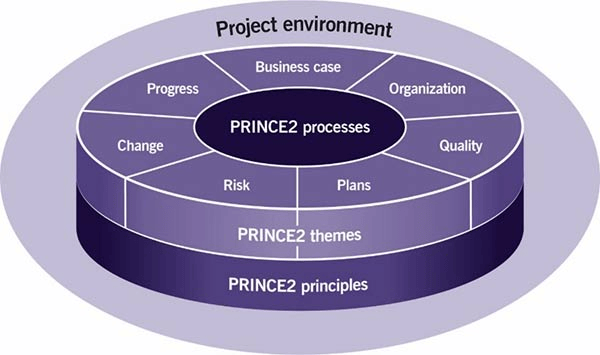
Figure 1: Adoption of the “PRINCE2 type method”
(Source: https://www.axelos.com/resource-hub/white-paper/effective-project-management-prince2-more-relevant)
Strength and Weekness in the management of Project Complexity and Industry requirements
Strengths
Technical competence: MedTech Solutions has well established technical expertise in the field of healthcare IT. The group is knowledgeable about cloud systems and has already created their own software in the past, which is a nice starting point regarding digital transformation.

 12 Years | MSc in Project Management
Departmental knowledge: The individual departments have the experience of managing the respective departments separately. They can have their internal practices that assist in day-to-day practices.
Innovation Readiness: The choice in support of the “AI and cloud systems” demonstrates that the company is willing to embrace innovation and are ready to be future-proofed in their operations.
Weaknesses
Although MedTech has its strengths, the current situation in terms of project management is also a significant weakness.
No Structure: No centralised project plan and project board. It is difficult to check the progress or react to the problems without structured planning.
Poor Risk Management: There is lack of technique of risk analysis hence the danger of failure is higher. Digital transformation project is susceptible to issues such as “cybersecurity threat, mishaps” during integration as well as data migration.
Ineffective Cross Departmental Communication: The various departments are not operating under the same project standards and thus there are interfaces in the coordination (Åkeson, 2022). It is possible to miss or repeat important tasks.
Non-compliance Risk: MedTech is an organization in the healthcare sector; therefore, non-compliance with standards of “GDPR and NHS data” may result in legal actions. Proper system makes it less difficult to demonstrate the safety and compliance of data handling.
Poor use of resources: There might be no clear strategy of allocating resources hence it can overburden some departments and cause underutilization of others.
No Lessons Learned System: The company lacks an official program of looking back at finished projects and putting the lessons into work in the future.
The misalignments of the projects
The magnitude and the sophistication of the digital transformation project require a planned and very methodical process. The organization of various departments, capturing hospital systems, and achieving compliance must be attended to very thoroughly. But, MedTech has a system now that does not govern, clarify roles, and facilitate cross-functional cooperation to deal with such complexity. Strict data protection and system reliability are also something that is highly demanded by the healthcare technology industry, and it cannot be provided without proper project controls (Nikolaenko & Sidorov, 2022). Such a discrepancy between the current practices in the organisation and demands of the project endangers the success of the change. As a whole, the current project management style used by MedTech is inappropriate and needs to be improved to suit internal objectives besides those of the industry.
Application of the project management theories and basis Use
In order to ensure the evaluation of the current project management approach implemented by MedTech Solutions, one should consider applying the common theories in project management along with frameworks that are broadly used. These will give a basis of the role of structured approaches in realising complex digital projects such as one being done by MedTech.
“Project Life Cycle Theory” relates to four main stages that any project must go through which are “initiation, planning, implementation and closure”. These phases guarantee that the project is well guided, has a scope, and that it is tracked (Zakrzewska et al. 2022). MedTech is not doing it this way at present. The projects begin with no clear procedures of approval and no elaborate plans. Such a disorganized structure can easily lead to poor coordination, non-clarity of goals and inefficient risk management.
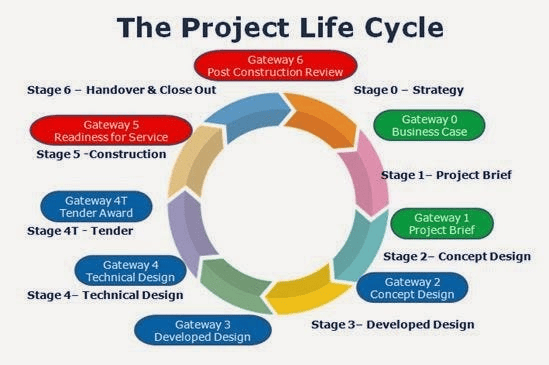
Figure 2: Use of the theory of “Project Life Cycle Theory”
(Source: https://medium.com/@prowiz911959/project-life-cycle-vs-project-management-lifecycle-project-methodology-vs-project-management-e76549297a64)
The “theory of contingency” in project management states that there is no such thing as one method of handling all projects. Instead, organisations ought to learn how to refine their style depending on the variables such as size, complexity and industry. They have a digital transformation initiative that is multifaceted, controlled and requires several departments, which is certainly a clear indication of a more specific and systematic approach.
The “Project Management Institute (PMI)” states in the “PMBOK Guide” that there are five major process groups a project should be managed; initiating, planning, executing, monitoring and controlling, and closing. Risk, quality, stakeholder and integration processes areas support each process group (Fang, 2022). The lack of said practices indicates that the company fails even to basic requirements of professional project governance.
“PRINCE2” an extremely popular implementation in the UK emphasizes on set phases, set roles and responsibilities and ongoing business justification. The processes used the process include starting up the project, controlling a stage and product delivery.
“The Agile” is flexible and can be delivered quickly, and it is particularly effective in an iterative form (e.g., “AI functions or cloud testing”). Agile would not be able to address all of the digital transformation needs in MedTech but it can be applied to parts of the company in case it applies to an individual team.
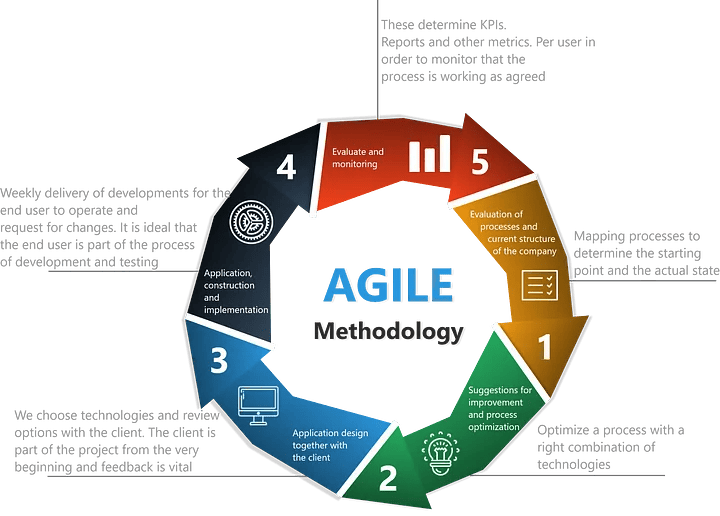
Figure 3: “The Agile” Framework
(Source: https://medium.com/@abeythilakeudara3/agile-methodology-106270809c99)
To sum up, the modern strategy of MedTech is not based on well-proven theories or existing frameworks. Custom combination of “PRINCE2 and Agile”, based on ideas of project life and contingency cycles, is required in order to deliver.
2.2 Task 2:Embedding of the PRINCE2
Appropriate Type of PRINCE2 assessment of MedTech Solutions
“PRINCE2” is a defined project management approach that is implemented in most sectors in the UK, particularly on big and complicated projects. It should be used in projects with many risks, by separate teams of people where there is definite necessity of control, planning, and accountability. Since MedTech Solutions is going to implement a “large-scale digital transformation program” worth 5 million pounds, then PRINCE2 is a suitable alternative (Rahman & Ahmed, 2024). Application of PRINCE2 will assist MedTech to control these aspects better. Usage of PRINCE2 varies, as it depends on the project and an organisation. As an example, MedTech does not have to make hundreds of documents and attend long meetings. Instead, they may concentrate on the most relevant aspects of PRINCE2 that are business case development, role clarity, product-based planning, and risk control. This is an adaptation where the format of PRINCE2 is combined with the versatility professed by Agile. In summary, PRINCE2 (modified and including Agile) suits the case of MedTech. It provides a sense of control, repeatability and quality assurance where the company operating in sensitive patient information and in the conditions of NHS standards can be critical.
Get assistance from our PROFESSIONAL ASSIGNMENT WRITERS to receive 100% assured AI-free and high-quality documents on time, ensuring an A+ grade in all subjects.
Proposal of Integrating PRINCE2 in the Culture of Operations and Projects
To succeed at MedTech Solutions, PRINCE2 has to become a permanent pattern of working in the organisation and not be reducible to a unique approach to the ongoing digital change process (ANNAMALAY, 2021). This is done by integrating PRINCE2 in the culture of company, systems, and day to day operations of the project. The way this can be done is discussed as follows.
Start it with a Pilot Project
The first step that should be taken by MedTech is the implementation of PRINCE2 to its existing digital transformation project. This ensures that the company can see how the method works and implement any change or modify and gain confidence before applying it to all projects.
Create a “Project management office (PMO)”
An internal small PMO should be instituted to aid in PRINCE2 implementation. The PMO will offer templates, lead groups, give foundational training and gather lessons learned on each project.
Clearly defined Roles of PRINCE2)
MedTech will have to allocate the important positions according to PRINCE2. Members of the Project Board must consist of the senior personnel in charge of “IT, Operations, and Compliance”. Specific departments should be led by a Project Manager, and planning and delivery should be performed, and Team Managers should control the department-level implementation.
Application of the customised templates of PRINCE2
Improved consistency and efficiency should be done through use of standard templates such as business cases, stage plans and risk registers (BABAYEV & QULUZADA, 2025). These may be tailored to the size and the project structure of MedTech.
Need of regular review stage
At the completion of every stage, review of progress and updating of plans should be done. The reviews allow to identify problems at an early stage and minimize the risks of delivery.
Establish a Culture of understanding and control
MedTech ought to encourage the realization that PRINCE2 facilitates more intelligent project work that is linked in a more organized strain. Leaders should be examples and should be visible to give support.
Due to these steps, PRINCE2 will be at the centre of the project delivery in MedTech throughout the organisation.
The effects of stakeholder participation, organisational maturity, governance and training requirements
Involvence of the “Stakeholder engagement”
The involvement of stakeholders is one of the necessary components of the project success in a healthcare environment which involves numerous internal departments as well as external parties. PRINCE2 provides a governance procedure of managing stakeholders in that it follows all those individuals and groups impacted by the project and also assures their involvement and education throughout its functioning. At MedTech, it is necessary to start with designing a Stakeholder Register which must list the group roles, their interests and expectations. As an illustration, the IT personnel will be concerned with system performance, whereas the compliance teams are to concentrate on the “protection of data and GDPR compliance”. Integration of systems will have to be stable and dependable among hospital partners and Customer Support will be in need of training of new tools and workflows (Takagi et al. 2024). MedTech should incorporate the regular plans of communication, stakeholder meetings, and the feedback sections in the project to make sure that each of these needs is delivered.
Discussion about the Organisational Maturity
The level of project management maturity is low, and there are no formal approaches, stated roles, and common documents currently, in MedTech. The digital transformation project itself should serve as a starting point to implement “PRINCE2 practices” in a structured manner to improve the project. Based on the lessons learned, it is possible to develop standardized processes, which are subsequently included into company policies and education. The maturity of organisation will increase (at the same time) as the teams get to know about the method.
Discussion about the Governance role
Clear governance is necessary in PRINCE2 and this is essential to a high-value project such as this. MedTech needs to create an environment in which top managers would evaluate business cases and observe strategic risks. Project manager should provide reports on a regular basis and all the issues need to be recorded down and reviewed. This will bring in transparency and better control.
Training Needs
Proper training is necessary in order to make sure that MedTech employees will be able to implement PRINCE2. The methodology with its value should be introduced in introductory sessions. Team leaders and managers should be provided with formal courses, which might end up with the certification (Raddi-Mira et al. 2024). It is possible to arrange practical workshops and teach the staff the techniques of creating business cases, risks management, managing teams. Constant guidance under the PMO will assist in providing answers and provision of tools.
PRINCE2 will also be appropriate in MedTech Solutions since it adds control, structure, and risk management in complex projects. These steps point to the direction in which MedTech can develop into a more mature organisation that is capable of running its projects clear-cut and successfully.
2.3 Task 3: “Tailoring of the Methodology”
Tailoring of PRINCE2 in terms of Project Transformation to Digital
The MedTech Solutions company is considering an important digital transformation that implies overhauling in the cloud, artificial intelligence applications, and regulatory compliance. This is a high value project of 5 million and involves various departments. The company does not have an organizational approach and is no longer accustomed to operate complex cross-functional projects (Harish et al., 2023). That is why PRINCE2 should be adjusted to the size of MedTech, its industry, and maturity level.
The complete PRINCE2 approach comprises seven phases and extensive amount of documents and functions. But using the full version, as it is, can be too much to expect of a company such as MedTech, particularly, as it lacks a “Project Management Office (PMO)” and does not have a background in formal structures. Hence, it is more suitable to apply a tailored or a lightweight version of PRINCE2. To implement this project, MedTech is to apply a lightweight variant of PRINCE2 strategy with the concentration on business justification, definite roles and affordances, and product-based organization with stage boundaries (Liu et al., 2021). There should also be a bit of flexibility as the digital transformation also involves the use of modern technology like AI. Agile sprints or iterative development may be used in only those situations where it is crucial to have fast feedback and flexibility, like when you need to build or refine the AI-based tools.
In adapting the approach to their specifications, MedTech will be able to remain outcome-oriented, guarantee quality control, comply with data protection legislation, and not increase the workflow burden.
Proposals on the Tailored Approaches in Every Key Stage
Now the seven important steps of PRINCE2 will be adapted to the structure of digital transformation initiative of MedTech in the real-world. All the stages are described below in connection with their meaning and how they can be customized to the needs of MedTech.
Phase 1: The “Starting Up of the Project”
In the first phase, “Starting Up a Project”, MedTech needs to keep any long documentation involved in planning to a minimum and develop a short summary of the project goal, scope, risk and projected value. A project manager ought to be hired and a simple Project Board with IT, Operation, Compliance, and Customer Support representatives put in place (Shirokova et al., 2022). This board will be giving oversight yet not needing thick entries in paper. The early planning phase must also feature a single brief workshop, involving all departments, to get an idea of what to expect and any early risks.
Phase 2: Initiating a Project
The second stage, Initiating a Project, should concentrate on developing a feasible plan without making the procedure painstakingly slow. Instead of spending a lot of time to create the “Project Initiation Document (PID)”, MedTech ought to come up with a simplified one, which contains the scope of project, high level schedule, overview of budget, and risk factors. As it is a healthcare project, elements of GDPR and NHS compliance are to be placed in the risk and quality aspects of the PID. Stakeholder communication plan also comes in handy here especially on systems at the hospital and the customer service in that area will be affected (Eyieyien et al., 2024). In this step, one should also specify how the success will be measured and who will be in each area of delivery.
Phase 3: Directing a project
Directing a Project will be the third stage that will involve the Project Board to monitor the project monthly. The board must not interfere with daily activities but they must be in a position to make major decisions like authorizing the stage confirmations or major change requests (Munshi, 2024). This will ease the workload of the board as the short but visual updates concerning the performance of the project can be conveyed by the project manager rather than lengthy reports. This discourages progress by keeping decision-makers at the loop.
Phase 4: Controlling
During the Controlling a Stage phase, a project leader ought to organise daily operations by using basic systems. Short check-ins might be used to report a problem and give an overview of a project in each department (McHugh et al., 2023). To monitor the plans and pursue the deadlines, the online task boards can be utilized, such as Trello or Asana. Risks should be monitored and the crucial ones which affect the cost of the project, time completion or security of data need to be escalated by the project manager. Highlight reports, indicative of project status by colour codes should be communicated regularly to provide Project Board with visibility on project progress without too much unnecessary detail.
Phase 5: Management of the “Product Delivery”
Managing Product Delivery stage is to be aimed at the unambiguous quality criteria and synchronization with the hospital systems. When each output, example: AI modules or new user dashboards is identified, they are described in details including the definition of their purpose and quality expectations. Every feature has to be tested and checked if it performs and complies. The user testing should include staff (Hospitals and internal customer support team) to fit it with the real world. In the case of AI-based tools, it is possible to implement small features in cycles, conducting brief development phases, with feedback in between them. This assists in achieving quality and less re-work.
Phase 6: Managing Boundary
In Managing a Stage Boundary, a project manager ought to ensure that a brief review at the phase-end is conducted. This review may involve opinion of department heads, updates of risk, and tracking finances (Straw et al., 2021). The results should then update the project plan. This will make sure that every phase is inspected prior to the subsequent phase and any issues are addressed in time. Lessons learned to enhance the next phase should be added to the reports that should be short and focused.
Phase 7: Closing Project
The last stage, which is Closing a Project is also relevant in making sure all jobs are done and transferring of knowledge. MedTech is expected to write an End Project Report, where the summary of the delivered work, what has turned out well, and what a difficult situation has transpired (Cooper et al.2024). It is necessary to obtain feedback about all the departments, including that about external users to know what might be done better in the future.
Personalising every single one of these stages will enable MedTech to be structured yet of high quality without making the process too burdensome.
Alternative Solutions to Trade-offs, Merits and Hazards
Despite the high suitability of PRINCE2 in this project, it is necessary to reflect over the other approaches and the potential ways that they will assist delivery in a healthcare technology environment with rapid changes and innovation. Software and technical features can be delivered flexibly and quickly based on the most applicable option, namely Agile which makes it possible.
Agile may be applied in one way, as far as product delivery is concerned. As an example, in case of MedTech that must provide AI-related tools to assist data processing in hospitals, their delivery can be performed through short sprints (Kumar et al., 2021). The simplest variant can be developed by a little group within a short period of time, introduced to the people in the hospital, receiving their feedback and working out the improvement during the next sprint. The advantage of this method is that testing product in the real world environment can be done early and feedbacks may be relied upon to prevent serious mistakes.
A hybrid format, which would integrate PRINCE2 with Agile, would perhaps be more appropriate to MedTech. Whereby in the case, PRINCE2 gives the overall governance and planning, Agile is applicable in the specific functions such as software development one. This enables the project to have command over risks, budgets, and compliance besides providing greater flexibility in the building of features.
Alternatively one can adopt a more conservative approach like Waterfall to undertake such activities as system integration or data migration. There is a definite procedure, and a distinct set of actions in completing such tasks, as well as, few opportunities to change it. Applying a Waterfall model in such regions will guarantee conformity and will minimize cases of integration failure. The negative part though, is that issues can only be identified at a late stage and also that any changes made would be time consuming and also expensive.
All these options are strong and weak in their way. MedTech should consider PRINCE2 to be the fundamental methodology and Agile or other when it has been identified that there is value added by using them. This mixed solution allows innovation, without being out of control.
Optimizing PRINCE2 to suit MedTech digital transformation project, the company can have more certainty and control to run the high-risk and complex project. All the phases of the PRINCE2 process have been adapted to the requirements of an average sized healthcare technology company which possesses a less walking experience in project management. Other models like “Agile and hybrid provide” additional flexibility mostly on technical development. They should however be introduced carefully in order to eliminate confusion. “PRINCE2 PRINCE2 approach” with the support of the chosen methods of Agile will provide MedTech with the framework it requires to implement the transformation project successfully and enhance the internal maturity of subsequent projects.
2.4 Task 4: The “Lessons and landmark Cases”
Choosing the Two Case Studies on the Landmark Projects
Two significant case studies have been chosen to learn project management lessons within MedTech Solutions. The first example is the “NHS National Programme for IT (NPfIT)”, which is one of the most popular initiatives of digital transformation in the “UK public healthcare system”. It was an attempt to computerise patient records in England and can usually be touted as an example of a project which did not hit its targets (Delisle et al. 2022). The second example is known to be the successful and well-managed big programme known as the “London 2012 Olympic Games project”. It was a complicated construction and tight schedules with stakeholders working very closely in coordination which makes it practical in terms of best practices in planning and delivery.
The two projects were large and high value projects involving the public sector. They provide contrasting lessons on what exactly transpires when the project controls and communication fail and the other illustrates how things succeed when there are proper frameworks and effective stake holders interactions (André et al. 2023). These case studies can be useful to MedTech since they concern specifically digital transformation, governance, and risk management.
Summary of the main lessons of PM methodology in terms of stakeholder engagement, risk management and adaption
A few takeaways on methodology, stakeholder engagement, risk management and adaptation that are evident in the case of “NHS National Programme for IT (NPfIT)” are described below. Non-project tailored project management was one of the obvious issues. The programme imported a top-down centralised model that does not consider the needs of specific NHS trusts; it does not adapt the model to suit the needs of different NHS trusts. This led to a lack of coordination between central (plans) and hospital (systems). The core project controls (namely, planning, change management and testing of the product) were either inadequate or absent. This has led to delayed systems, shoddily designed systems, and unused systems.
In stakeholder engagement aspects, the NHS programme did not include early decision-making of doctors, nurses and hospital managers (Leon et al. 2022). Such groups that were the end-users were not involved in crucial deliberations. This formed resistances, poor user satisfaction and adoption of the systems.
Poor management of risk was also done. There was an underestimation of the scale of the integration of hundreds of IT systems and flexible planning was not implemented and thus issues in one area would affect the whole programme.
On the contrary, the project of the “London 2012 Olympic Games” was characterised by a high level of implementation of PRINCE2 principles in the spheres of governance and stage management. An independent set up of the delivery body called as the “Olympic Delivery Authority (ODA)” was established to provide independent construction, quicker decision making and accountability.
The project of the Olympics had the stakeholder engagement in an effective manner. The delivery team collaborated with the local authorities and the transport agencies and community groups by updating and consulting with them. This strategy also created trust and lowered the resistance to the people. Risk register was well kept and contingency plans prepared in advance. As an example, the construction schedules were changed in such a way that when there was an anticipated delay the alternative suppliers were prepared.
NHS IT failure demonstrates that one cannot disregard the needs of users and cannot remain unchanged in approaches and expect to obtain good outcomes (Albasteki, 2021). The Olympics project shows that when it is properly planned, there is effective communication between the stakeholders and a flexible control, large projects can be achieved even under the pressure.
Recommendations for the project management for the MedTech Solutions
First, the use of “PRINCE2” is supposed to be flexible. MedTech needs not to be a one-size-fits-all model. Rather, “PRINCE2 method” needs to be customised at every stage. It is possible to do so through simpler templates, faster approval procedures, and communication applications that comply with various teams. The approach should have means of facilitating advances that do not undermine it.
Second it should be stakeholder-based. Every user should be involved in MedTech, and in particular, the use of IT teams, compliance officers, and external hospital staff should be introduced early. System design, testing and rollout should be based on their input. Trust and adoption will be stimulated by regular updates, feedback mechanism and review meetings.
Third, high governance is necessary (Vieira Nunhes et al. 2022). The success of the project in Estonia was attributed to good leadership, role recognition and accountability in decision making. It would be beneficial that MedTech develop a Project Board to monitor progress, change approval, as well as risks. The reflections of what works and what to change should be based on stage boundaries.
Fourth, risk management should be regarded seriously. The risk register ought to be maintained by MedTech since the first day (Deubelli & Mechler, 2021). Risks are to be considered by the teams every week and in case such critically important factors as data migration or working with the third party enter the picture, there should be backup plans.
Lastly, MedTech must have the spirit of flexibility. Small-scale changes and constant feedback will also assist in enhancing the performance without losing authority. Implementation of these recommendations will enable MedTech to avoid the risks of project failure and evolve into a project management culture that will be reliable and future-proof.
3.0 Conclusion
The transformation of MedTech Solutions involves a complex digital transformation process that needs an organized and versatile project management process. Existing, informal system is inappropriate to deal with the risks, organise teams, and enforce compliance. Through integration of a customized “PRINCE2 template”, MedTech will be able to enhance control, communications, and delivery.
Reference List
Journals
Task 1
- Åkeson, A. (2022). Opportunity framing-Critical junctures and tough choices in the MedTech industry in Sweden. [Retrieved From: https://lup.lub.lu.se/luur/download?func=downloadFile&recordOId=9090975&fileOId=9093842] [Retrieved On: 01.07.2025]
- Fang, Y. (2021, October). The Theory and Application in Agile Project Management (APM) with Scrum. In 2021 6th International Conference on Modern Management and Education Technology (MMET 2021) (pp. 652-657). Atlantis Press. [Retrieved From: https://www.atlantis-press.com/article/125961472.pdf] [Retrieved On: 01.07.2025]
- Kalinowska-Beszczyńska, O., & Prędkiewicz, K. (2024). MedTech start-ups: A comprehensive scoping review of current research trends and future directions. Plos one, 19(8), e0307959. [Retrieved From: https://journals.plos.org/plosone/article/file?id=10.1371/journal.pone.0307959&type=printable] [Retrieved On: 01.07.2025]
- McDermott, O., Antony, J., Sony, M., & Healy, T. (2022). Critical failure factors for continuous improvement methodologies in the Irish MedTech industry. The TQM Journal, 34(7), 18-38. [Retrieved From: https://www.emerald.com/insight/content/doi/10.1108/TQM-10-2021-0289/full/pdf] [Retrieved On: 01.07.2025]
- Nikolaenko, V., & Sidorov, A. (2023). Assessment of Project Management Maturity Models Strengths and Weaknesses. Journal of Risk and Financial Management, 16(2), 121. [Retrieved From: https://www.mdpi.com/1911-8074/16/2/121/pdf] [Retrieved On: 01.07.2025]
- Zakrzewska, M., Piwowar‐Sulej, K., Jarosz, S., Sagan, A., & Sołtysik, M. (2022). The linkage between Agile project management and sustainable development: A theoretical and empirical view. Sustainable Development, 30(5), 855-869. [Retrieved From: https://onlinelibrary.wiley.com/doi/am-pdf/10.1002/sd.2285] [Retrieved On: 01.07.2025]
Task 2
- ANNAMALAY, T. (2021). THE FEASIBILITY OF PRINCE2 PROJECT MANAGEMENT METHODOLOGY AND MATURITY LEVEL IN A PHARMACEUTICAL COMPANY (Doctoral dissertation, Universiti Teknologi Malaysia). [Retrieved From: http://eprints.utm.my/102103/1/ThivyaakalyaniAnnamalayMSKA2021.pdf] [Retrieved On: 01.07.2025]
- BABAYEV, I., & QULUZADA, S. (2025). INTEGRATION OF MODERN METHODOLOGIES WITH PMO IN THE MANAGEMENT OF INVESTMENT PROJECTS. Друкується відповідно до рішення вченої ради Харківського національного автомобільно-дорожнього університету від 28 березня 2025 р.(дозвіл № 75/25/6.9) Редакційна колегія Криворучко ОМ, докт. екон. наук, проф., ХНАДУ, головний редактор, 171. [Retrieved From: https://etk.khadi.kharkov.ua/issue/download/19259/12414#page=171] [Retrieved On: 01.07.2025]
- Raddi-Mira, L. H., Pecora Junior, J. E., & Deschamps, F. (2024). Framework for implementing industry 4.0 projects. Sustainability, 16(6), 2387. [Retrieved From: https://www.mdpi.com/2071-1050/16/6/2387] [Retrieved On: 01.07.2025]
- Rahman, M. S., & Ahmed, E. (2024, October). Integrating PRINCE2 and Agile Methodologies in Software Development: Unveiling Opportunities and Addressing Challenges. In 2024 International Conference on Electrical, Communication and Computer Engineering (ICECCE) (pp. 1-8). IEEE. [Retrieved From: https://ieeexplore.ieee.org/abstract/document/10823492/] [Retrieved On: 01.07.2025]
- Takagi, N., Varajão, J., Ventura, T., Ubialli, D., & Silva, T. (2024). Managing success criteria and success factors in a BPM project: an approach using PRINCE2 and Success Management on the public sector. Cogent Business & Management, 11(1), 2336273. [Retrieved From: https://www.tandfonline.com/doi/pdf/10.1080/23311975.2024.2336273] [Retrieved On: 01.07.2025]
- БАБАЄВ, І., & КУЛУЗАДА, С. (2025). INTEGRATION OF MODERN METHODOLOGIES WITH PMO IN THE MANAGEMENT OF INVESTMENT PROJECTS. Економіка транспортного комплексу, (45), 171-171. [Retrieved From: https://etk.khadi.kharkov.ua/article/download/328704/318515] [Retrieved On: 01.07.2025]
Task 3
- [Retrieved From: https://link.springer.com/chapter/10.1007/978-3-031-32719-3_67] [Retrieved On: 01.07.2025]
- Cooper, C., Booth, A., Husk, K., Lovell, R., Frost, J., Schauberger, U., ... & Garside, R. (2024). A Tailored Approach: A model for literature searching in complex systematic reviews. Journal of Information Science, 50(4), 1030-1062. [Retrieved From: https://journals.sagepub.com/doi/pdf/10.1177/01655515221114452]
- Eyieyien, O. G., Idemudia, P. O. P. C., & Ijomah, T. I. (2024). Strategic approaches for successful digital transformation in project management across industries. International Journal of Frontiers in Engineering and Technology Research, 7(1), 1-11. [Retrieved From: https://www.researchgate.net/profile/Tochukwu-Ijomah-2/publication/383847864_Strategic_approaches_for_successful_digital_transformation_in_project_management_across_industries/links/66dc496eb1606e24c212491f/Strategic-approaches-for-successful-digital-transformation-in-project-management-across-industries.pdf] [Retrieved On: 01.07.2025]
- Harish, V., Ansari, M. M., Tewari, D., Yadav, A. B., Sharma, N., Bawarig, S., ... & Barhoum, A. (2023). Cutting-edge advances in tailoring size, shape, and functionality of nanoparticles and nanostructures: A review. Journal of the Taiwan Institute of Chemical Engineers, 149, 105010. [Retrieved From: https://repository.bilkent.edu.tr/bitstreams/0ad3fb67-6648-438e-925e-8d860aabaa0c/download] [Retrieved On: 01.07.2025]
- Kumar, P., Debele, S. E., Sahani, J., Rawat, N., Marti-Cardona, B., Alfieri, S. M., ... & Zieher, T. (2021). Nature-based solutions efficiency evaluation against natural hazards: Modelling methods, advantages and limitations. Science of the Total Environment, 784, 147058. [Retrieved From: https://www.sciencedirect.com/science/article/pii/S0048969721021288] [Retrieved On: 01.07.2025]
- Liu, J., Zhang, L., Zang, D., & Wu, H. (2021). A competitive reaction strategy toward binary metal sulfides for tailoring electromagnetic wave absorption. Advanced Functional Materials, 31(45), 2105018. [Retrieved From: https://advanced.onlinelibrary.wiley.com/doi/abs/10.1002/adfm.202105018] [Retrieved On: 01.07.2025]
- McHugh, S. M., Riordan, F., Kerins, C., Curran, G., Lewis, C. C., Presseau, J., ... & Powell, B. J. (2023). Understanding tailoring to support the implementation of evidence-based interventions in healthcare: the CUSTOMISE research programme protocol. HRB Open Research, 6, 7. [Retrieved From: https://pmc.ncbi.nlm.nih.gov/articles/PMC10285335/pdf/hrbopenres-6-14954.pdf] [Retrieved On: 01.07.2025]
- Munshi, D. (2024). Enhancing Digital Transformation Project Success through Design Thinking-Driven Agile Project Management. [Retrieved From: https://www.theseus.fi/bitstream/handle/10024/873005/Munshi_Disha.pdf?sequence=2] [Retrieved On: 01.07.2025]
- Shirokova, S. V., Rostova, O. V., Prosvirnina, A., & Odainic, A. (2022, April). Key trends in the digital transformation of business and their impact on the business processes. In International Scientific Conference “Digital Transformation on Manufacturing, Infrastructure & Service" (pp. 885-895). Cham: Springer Nature Switzerland. [Retrieved From: ] [Retrieved On: 01.07.2025]
- Straw, S., Lynch, S., Stanford, C., McCrone, T., & Bradley, E. (2021). Evaluation of the Tailored Support Programme: Final Research Report. UK Department for Education. [Retrieved From: https://files.eric.ed.gov/fulltext/ED612540.pdf] [Retrieved On: 01.07.2025]
Task 4
- Albasteki, O. N. M. S. (2021). Corporate stakeholders, environmental and social risks, and enterprise risk management: towards an integrating framework (Doctoral dissertation, Brunel University London). [Retrieved From: https://bura.brunel.ac.uk/bitstream/2438/23105/1/FulltextThesis.pdf] [Retrieved On: 01.07.2025]
- André, K., Gerger Swartling, Å., Englund, M., Petutschnig, L., Attoh, E. M., Milde, K., ... & Rome, E. (2023). Improving stakeholder engagement in climate change risk assessments: insights from six co-production initiatives in Europe. Frontiers in Climate, 5, 1120421. [Retrieved From: https://www.frontiersin.org/articles/10.3389/fclim.2023.1120421/pdf] [Retrieved On: 01.07.2025]
- Delisle, M., Gyorki, D., Bonvalot, S., & Nessim, C. (2022). Landmark series: a review of landmark studies in the treatment of primary localized retroperitoneal sarcoma. Annals of Surgical Oncology, 29(12), 7297-7311. [Retrieved From: https://www.researchgate.net/profile/Carolyn-Nessim/publication/363468835_Landmark_Series_A_Review_of_Landmark_Studies_in_the_Treatment_of_Primary_Localized_Retroperitoneal_Sarcoma/links/63a36068e598500876c2c4c5/Landmark-Series-A-Review-of-Landmark-Studies-in-the-Treatment-of-Primary-Localized-Retroperitoneal-Sarcoma.pdf] [Retrieved On: 01.07.2025]
- Deubelli, T. M., & Mechler, R. (2021). Perspectives on transformational change in climate risk management and adaptation. Environmental Research Letters, 16(5), 053002. [Retrieved From: https://iopscience.iop.org/article/10.1088/1748-9326/abd42d/pdf] [Retrieved On: 01.07.2025]
- Leon, C. J., Lam González, Y. E., Ruggieri, G., & Calò, P. (2022). Assessing climate change adaptation and risk management programmes: stakeholder participation process and policy implications for transport, energy and tourism sectors on the island of sicily. Land, 11(8), 1206. [Retrieved From: https://www.mdpi.com/2073-445X/11/8/1206] [Retrieved On: 01.07.2025]
- Vieira Nunhes, T., Espuny, M., Lauá Reis Campos, T., Santos, G., Bernardo, M., & Oliveira, O. J. (2022). Guidelines to build the bridge between sustainability and integrated management systems: A way to increase stakeholder engagement toward sustainable development. Corporate Social Responsibility and Environmental Management, 29(5), 1617-1635. [Retrieved From: https://diposit.ub.edu/dspace/bitstream/2445/199589/1/723610.pdf] [Retrieved On: 01.07.2025]
Recently Downloaded Samples by Customers
Introduction to Investigation and Innovation Project Assignment Sample Overview This project is to start a children’s...View and Download
Introduction - BMM4153 People and Organisation People management may be defined as the procedure of recruiting,...View and Download
Task 1: Regulation of Reserved Legal Activities and Authorized Persons The 2007 Legal Services Act 2007 (LSA 2007) brings about...View and Download
Introduction - Strategic Business Analysis of T4 Tea Company Get free samples written by our Top-Notch subject experts for...View and Download
Introduction to Management Accounting Reporting Assignment Sample Section One The concept of management accounting deals with...View and Download
Introduction - Report for a Multinational Enterprise and Review the Organisation’s OD Practices Assignment...View and Download