
Experiences of Sickle Cell Patients and the Quality of Healthcare in London Assignment Sample
Sickle Cell Patient Experiences, Challenges in Healthcare Service Quality, Effectiveness of Treatments, Mental Health Support, and Strategies to Enhance Overall Wellbeing.
- Introduction: Understanding Sickle Cell in London
- Aim and objectives
- Background: Context and Focus of the Study
- Historical area
- Rationale: Existing Studies on SCD Care
- Literature Review: Empirical Study
- Theories and models
- Methodology: Research method and strategy
- Research design
- Research philosophy and approach
- Data collection
- Result and discussion
- Comparison
- Type Assignment
- Downloads2475
- Pages36
- Words8930
Introduction: Understanding Sickle Cell in London
Sickle cell disease (SCD) is a genetic condition that changes the shape of red blood cells, causing them to form a crescent shape instead of the normal disc shape. This results in severe pain and damage to major organs for patients. In the UK, two-thirds of people affected by this disease have African or Caribbean origins. This study focuses specifically on SCD patients in London and examines the quality of care they receive from healthcare services. Despite government efforts to improve healthcare, patients still face significant challenges in accessing timely and effective treatment. For students looking to write my assignment on SCD or healthcare issues, this analysis offers valuable academic guidance and clear insights into patient experiences, making it easier to understand the complexities of healthcare delivery for chronic conditions.
This work aims at analysing SCD patient's experience with health care services in London. This study will not only demonstrate the issues that patients experience but will also highlight the significance of health care policies that impacts those experiences. This research is based on secondary data, collected via journals, web articles and books. These efforts will help in devising effective plans, implementation of better policies. Likewise, patient experience knowledge will help in effective handling of SCD patients thereby improving their quality of lives.
Aim and objectives
- To assess the level of satisfaction of the patients on healthcare services.
- To identify the major problems faced by sickle cell patients.
- To show how policies on health care affect the delivery of care to patients, and the impact they have on health care.
- To suggest measures that can be put in place so that the patients can have unique and fulfilling experiences at the facility.
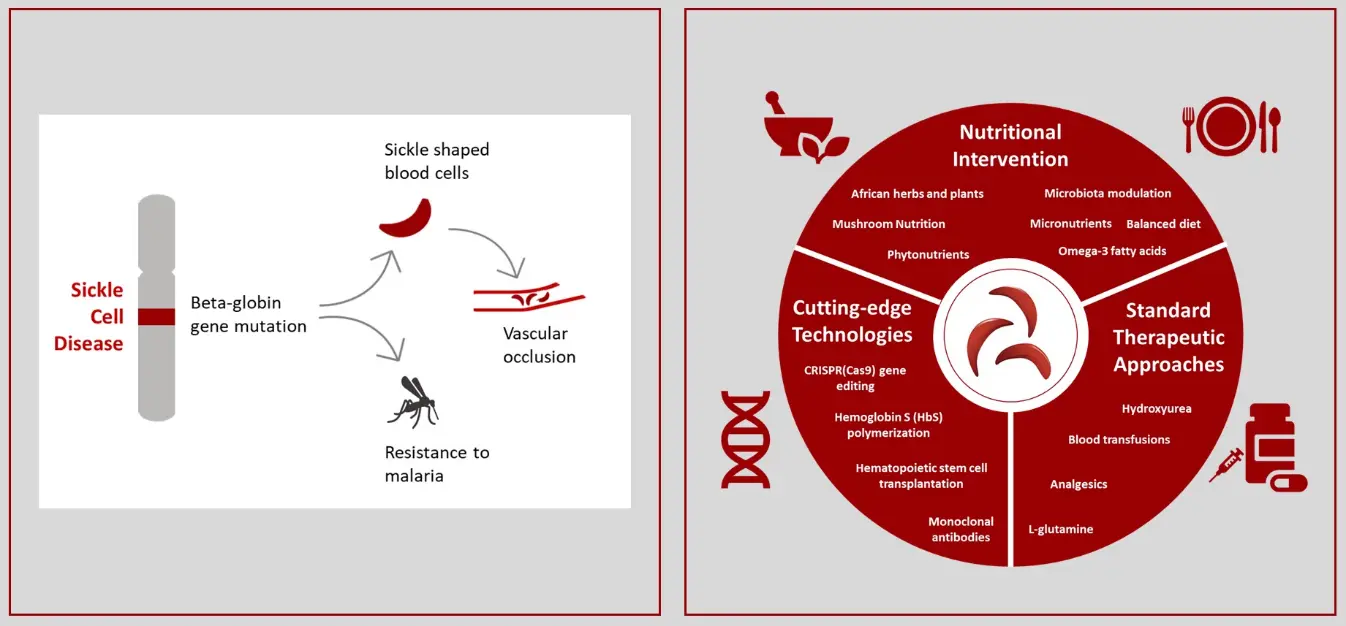
Figure 1: Sickle Cell Disease treatment and challenges
Background: Context and Focus of the Study
Sickle Cell disease is a hemoglobinopathy, which is a group of genetic diseases affecting the blood' red blood cells. A common is increased blood cholesterol; it is a primary disease of people originating from Africa, the Caribbean, the Middle East, and the Indian subcontinent. The condition affects the red blood cell where the cells are deformed to have a sickle like structure, as a result of which they cannot transport oxygen well. Blocked blood circulation is a common problem among these cells and results in severe pain as well as other complications.
Currently, the number of residents suffering from SCD has been reported to be high in London. For such patients there is the National Health Service (NHS) that is in charge of their treatment. However, the main problem faced by most of the SCD patients is lack of health care services and facilities. The first is pain management which is considered to be a significant problem. Apart from the crises, other symptoms of SCD include increased sweating, pale or yellowish skin tone, dizziness, headache, and frequent infections. These can take hours or days hence they are also called chronic inflammation (Jastaniah et al. 2023). Oral antibiotics may be required in case of an infection and immediate treatment is necessary in order to avoid pain and further complications. Though, the current patients are forced to spend a lot of time waiting in the emergency department. Some patients complained that doctors and nurses do not care for them and do not pay attention to their pains.
The primary one is easy and frequent health services accessibility. It has also noted that SCD patients are supposed to go for regular check-ups in order to reduce the incidences of complications. Sickle cell clinics in London are present but the patients do not get access to these clinics easily. It is a chronic disease that influences a person' emotions during his or her lifetime. Some patients develop anxiety and depression due to hospitalizations and prejudice and discrimination from society. However, the patients’ mental health needs are not well met. Such issues as healthcare also affect the inequality in the society in question. The target population of SCD patients is mainly ethnically diverse, and the research established that they undergo relatively inferior care than other diseases (Anie, 2024). Many a time people suspect that doctors take their color into consideration when prescribing how they should be managed in case of pain or other symptoms. There is also a support group of patients in London and these help in creating awareness as well as giving information.
However, many challenges are present to this date. Training of more and better qualified personnel, shorter response time and improved support for mental health are among the improvements that are required. Information regarding the lives of the SCD patients can therefore assist to enhance their healthcare service delivery.
Historical area
Sickle cell disease (SCD) was first discovered in 1910 by Dr. James Herrick hence the name sickle cell anemia. This feature shows that he has knowledge of abnormally shaped red blood cells in anemia patients. The condition was later associated with heredity, which is in line with the recommendations of the social model. In the middle of the twentieth century, it was established that what triggered SCD was only the regions that experienced disease of malaria. This is the reason why sickle cell gene carriers avoid developing malaria easily since it has a protective aspect.
The illness also became more recognized in the UK in the 1950s and 1960s. This was because of immigration of people from Africa, the Caribbean and South Asia. Nevertheless, patients’ awareness about this condition was scarce. Around half of the practitioners in the UK did not recognize SCD, and most of the others misdiagnosed it. It was in the 1970s that sickle cell advocacy groups had emerged in London. Its increased goal was for the improvement of the extent of healthcare services and to create conscientization for the public. The history of SCD in the diagnosis as an important health issue was discovered in 1981 in the United Kingdom of Great Britain and Northern Ireland (Telfer et al. 2024). Soon other hospitals in London also began to establish their own sickle cell clinics. These clinics offered care to the patients appropriately. However, healthcare inequalities remained. It was revealed that SCD patients were diagnosed with pain and given suboptimal treatment, or got treatment rather late. From the historical developments of SCD in London, it is evident that there has been improvements as well as improvement challenges. In this case, more improvement is required to address the case of this disease in as far as the health of people affected is concerned.
Rationale: Existing Studies on SCD Care
One of the most significant genetic diseases affecting a large number of people in London is sickle cell disease, particularly among those of African and Caribbean origin. Understanding the experiences of Sickle Cell Patients and the Quality of Healthcare in London is essential to identify gaps in service delivery, enhance patient satisfaction, and inform better healthcare policies. Insights from this research can guide improvements in clinical practice, ensure more equitable care, and ultimately improve the overall quality of life for patients living with SCD.

 5 Years | MSc in Healthcare Practice
Finally, the study will employ some clinical evidence, and practice professionalism or rather ethical measures during the study. They will be employed in the form of policy analysis and patient satisfaction from other related research. The gathered evidence will help in the evaluation of present day policies in healthcare and if these policies meet the needs of the patients. Therefore, the outcome of this research is important to healthcare professionals and policymakers. The knowledge of patient experience can be useful for the further training of the medical staff and the improvement of the legislation in the industry. The findings of the research will also enable the enhancement of multi-professional working to enhance the lives of the patients. It adds to academic knowledge and practice for professionals in refining the quality of health care services for sufferers of sickle cell in London.
Literature Review: Empirical Study
Berghs et al. 2022, studied the social and psychological effects of shielding on the SCD individuals and the carers in the Midlands, England. A clear evidence suggested the availability of viruses that affected the Midlands including Birmingham more especially because it was one of the areas with high mortality rates. From the results of the survey, patients with SCD benefited much from shielding, especially those who frequently visited the hospital. Mixed-methods design was employed. Questionnaire-survey was employed with an adapted SF36 V.2 form quantified participants’ mental health and quality of life. This was done through the use of qualitative semi structured questionnaires, through IPA analysis. A total of 51 out of the 135 participants completed the anonymous online questionnaire, the majority of them were Black Caribbean or Black African descendants. Adding to that, eight more discussions, focused on details, were conducted with the SCD adults.
Altogether, the outcomes revealed that SCD patients experienced a poor quality of life and mental health while in shielding. Many of the participant's concerns were regarding hospital attention, pain management, and professional knowledge about SCD. This brings evidence that racially related issues arising from the pandemic caused distress during research. The healthcare services have for most of the time not prioritized psychological health requisites. The study also underlines the need to enhance existing mental health services in patients with SCD especially during pandemic and within the broad health care. Sources of the study can be used to obtain the statistics in question.
Sickle cell anemia (SCA) is known to be a serious illness that causes frequent and severe crises which can be observed in the study of Foster et al. 2024. In this qualitative literature review, the focus was also made to understand the experience of young people with SCA and its implications for functioning. The purpose of the research was to evaluate the best primary research to give practice, education, and research implications. Articles were retrieved using the help of EBSCOhost database. Applying the inclusion and exclusion criteria lead to six relevant studies. About one' age, a vast majority of participants were aged between 10-25 years. All the studies were conducted in the UK and in the USA. This is accompanied by the Critical Appraisal Skills Program (CASP) checklist which the current study used in order to review the quality of the research.
Therefore, this analysis led to the identification of the three main themes, namely acceptance, support, and unpredictability. Sub-themes were spirituality and discrimination. The study showed that SCA affected different spheres of youth life, including the educational one, social life, and emotions. All of them had difficulties to recognize their disease, to receive proper treatment, and to deal with the uncertainty in the symptom progression. In view of this, the implication is to advance the practice of healthcare, increase awareness in school education, and explore deeper into SCA. It is very important to know the perception young people have so as to help them gain the best support they need and better policies on health that can be implemented for the improvement of their lives.
Patients with sickle cell disease were checked on a daily basis on a digital health platform regarding their perceptions of symptoms and daily QoL (Quality of Life) while using crizanlizumab. This preference-based measure was collected at baseline in the journal of Osunkwo et al. 2021, and after six months of treatment to compare their QoL scores before and after the intervention was applied. The results were that 60% of them had improved the QoL with an average of 28% increase in the EQ-5D scores. Of these, most reported that they wanted to complain less pain, better sleep and increased energy. On the other hand, 10% had even had the symptoms deteriorate, 30% had them either remain the same or improve slightly. They who did not experience the improvement mentioned some additional difficulties such as fatigue, breathlessness, and joint pain, which states that this treatment' impact is not the same for all patients.
The study concluded that actual tracking of development can be only ascertained through online health monitoring. It provides dynamic information on the nature of patients as well as the course of their treatment day by day. It has emphasized specialized care and subsequent research to determine several factors that might be the reason why some patients have better outcomes than others. The study thus provides evidence of the benefits of employing digital systems in evaluating sickle cell treatments and improving patient care.
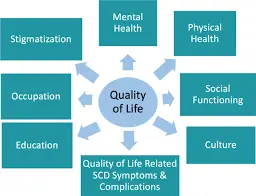
Figure 2: Quality of Life in Sickle Cell Disease
The circulatory diseases are a significant threat to health care and social systems in all the developed countries. Integrated care models commonwealth interventions are useful in the improvement of the chronic patient. However, more studies are needed to identify if these supplements are really helpful. This research evaluate an ICM of health care and social service integration for a period of six months (Gavaldà-Espelta et al. 2023). There was an individual application that was used in order to have regular interaction with fellow professionals. Patient reported outcomes focused on the patient quality of life, treatment adherence, patient experience, and caregiver stress were used in the study. The assessment was done at the start and end of the study, as well as six months after the intervention through the use of questionnaires.
Concerning the outcomes, it was found that the ICM helped in identifying new patients and enhancing provision of medical as well as social care. This led to the beneficiary outcomes such as, the life of the patients also became healthier and they complied well with their treatments. Also, stress was reduced among the caregiving population. These effects were sustained at least at the 6-month follow-up after the intervention. Analysis from this research posits that integrated care increases the quality of the patient as well as the accessibility of the care. It also has advantages in freeing up the caregivers’ load of work. This paper reveals that new approaches to care for chronic individuals and ever-straining health facilities must be developed. Currently, through use of applications and other technologic instruments, it is possible to enhance a cohesion between health and social services to eventually determine better long-term patient outcomes.
Sickle cell disease (SCD) is an inherited haemoglobin disorder which prevails in numerous people in London especially Blacks and Caribbeans. In the care of SCD, patients are some of the most neglected groups of people when it comes to healthcare. According to a report published by the All-Party Parliamentary Group on Sickle Cell and Thalassaemia in 2021, the quality of care for the illness is questionable, delays in an adequate treatment regime and pain management in particular. Most patients complain of being ignored when complaining of pains, and therefore, they had no trust in healthcare facilities (APPGoSCa, 2021). Also there have been cases women who had to feel as outcasts or even drug seeking when they go for pain management. Such experiences have made some patients to neglect illnesses that require medical attention, which in turn complicates their situation. There are efforts ongoing to try and provide solution, there are new therapies currently developing for example gene therapy as well as several campaigns to try and enhance the knowledge of SCD among the health practitioners. But there are current issues which indicate that there is need for further enhancement in the management of Sickle cell disease patients in London.
The study of Chakravorty et al. 2024, discussed the effect of peer reviews on improving health care quality for persons with hemoglobin disorders in the UK. The current work examined four QS and analyzed reports between 2010 and 2020 with regards to the peers’ replies. Its purpose was to establish whether the reviews made care more effective in haemoglobinopathy centers. Of the above highlighted centers, 17 were in the pediatric category while 29 were in the adult category and were inspected in the academic year 2010/11 and 2012/13. A total of 33 pediatric and 33 adult CACs were visited in 2014/16. A total of 32 child care centers and 32 centers for adults’ care were in 2018/20 financial year. In evaluating the effectiveness of the intervention, data from the QS and views and experiences of the participants were used.
Get assistance from our PROFESSIONAL ASSIGNMENT WRITERS to receive 100% assured AI-free and high-quality documents on time, ensuring an A+ grade in all subjects.
Specifically, findings of the study showed that there was an increase in the level of compliance after the second review period. Virtually there are no improvements in the last review as revolution was expected to solve problems. Specifically, the haemoglobinopathy centers experienced some difficulty in responding to critical peer review recommendations in relation to other disease groups. This means that the improvements that were brought through peer reviews in the short term were not deliberate and sustained. This study underscores the need for sustaining the haemoglobinopathy service within the National Health Services. Thus, it is important for future works to analyze the positive response of some diseases to peer reviews as compared to the other diseases. Further research ought to explore better ways of enhancing the assurance of continued advancement of healthcare solutions in haemoglobinopathy.
From the empirical research of Redhead, 2021, it can be seen that, data that have actually been collected within a discipline to understand a given issue. Such research explores the concepts of race and health and particularly the NHS within the United Kingdom as pertains to SCA. The truth of the matter is that migrants and non-white working-class people built and continuously maintained the NHS. However, there was neglect as far as the need to cater for their own health was concerned. The study engages medical activism in relation to black and migrant personnel in the NHS. They rejected discrimination based on race in the treatment of patients through objection to the discrimination of patients with SCA, an ailment common among African, South Asian, Middle Eastern, and Mediterranean individuals. The following are examples of such cases: One of them is the case of Stephen Bogle, a black person who had SCA and died due to neglect while in police custody.
It was seen that the NHS sidelined the needs related to the health of the black people and considered them as immigrants. They faced discrimination especially in the health policies that offer them anti-discriminatory integrated and clinical support for patients. Valuable lessons from the past are how the immigration and welfare policies denied health care to the black individuals. Despite various challenges, immigration health practitioners were indeed one of the most important players that contributed towards the development of the NHS. He demanded better awareness and diagnosis of SCA. They did this through campaigns concerning racial discrimination in healthcare policies of which changes were effected on the system.
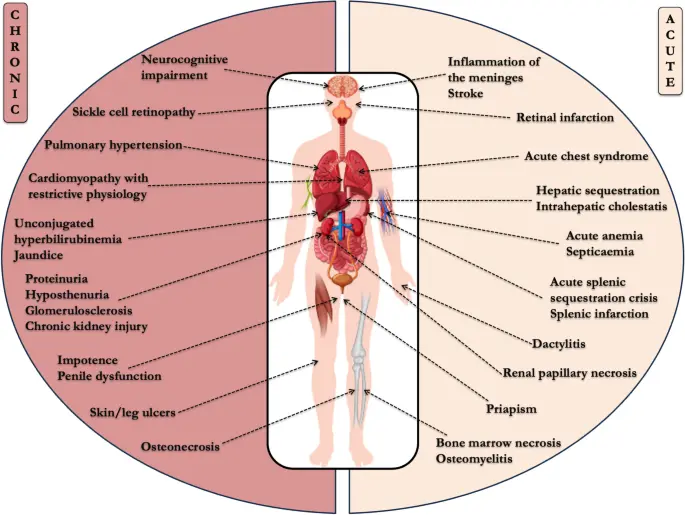
Figure 3: Diagnosis and management of Sickle cell disease
According to Munung et al. 2024, a research conducted among 57 patients with sickle cell disease compared the impact of crizanlizmab on their hospitalization and emergency visits. All patients managed to have at least five admissions per year to the hospital for VOCs before undergoing the treatment. Among the population of participants, 35% have experienced the decrease in the frequency of the hospital visits, and 22% of them ceased using emergency services within six months after the treatment. However, 30% of them require the same or more amount of medical care, 13% of them had more hospitalizations mainly due to side effects.
As it has been noticed from the study, there are several side effects which were experienced by several patients. Many of them, 27% reported having a pain, 23% experienced migraine and 17% were fatigued. Despite complications of treatment, 70% of patients planned that their general condition was enhanced, which indicated that the benefits of the therapy prevailed over all the negative effects in the majority of cases. It is still clear from this research that while most patients can be saved from hospitalization with crizanlizumab, it is less effective in this regard. Some patients still get admitted in hospital or develop other complications of the disease. It underlines the need for individual approaches to the therapy and further studies of traits that may influence the reactions to the medicine.
SCD management has not remained stagnant but rather it has gone to improved stages with advancement in the treatments. According to Summers et al. 2023, Crizanlizumab was approved in the year 2021 under managed access agreement. However, newer trials show that there has been no improvement in VOCs as compared to placebo, it is important that further trials are conducted to really determine the safety and efficacy of deferiprone. This is because real-life experience is important to give a vivid account of the impact of bereavement leave policy on the lives of patients. This paper discusses SCD patient experiences with crizanlizumab. It focuses on side effects, signs and symptoms, hospital and bed utilization, and QoL. The survey of 30 SCD patients received information about crizanlizumab through an online questionnaire. The EQ-5D-5L tool was used to assess daily overall QoL in a computerized system. The data were collected from 10 patients before and after the administration of the treatment. They also compared their data with SCD patients on hydroxyurea and other SCD population. The patient was on crizanlizumab treatment for a mean of 6 months.
The majority (83%) also received hydroxyurea. The participants’ mean age was 31 years and 77% of the participants were women. The minor side effects were pain at 27%, headaches, and fatigue at 23%. A statistically significant was recorded on the aspect of VOCs where 60% of patients reported an improved status from the initial baseline. However, 57% of them needed admission in the hospital and 70% were having VOCs. Results of QoL showed marked statistical significance (p<0.001) with overall enhancement in about 28% of the mean value. The patients also showed better quality of life and VOCs when they were given crizanlizumab as compared to the other three groups. Yet, the benefits were variable. There were those who developed no positive changes or even worsening of their condition. Further research needs to be conducted to identify expected beneficiaries.
Theories and models
- Health Belief Model (HBM): According to the Health Belief Model (HBM), there are factors that lead to why SCD patients fail to adhere to their treatment regimens. In this model people act when they can diagnose a disease as severe, they are defenseless and if they seek treatment, it will be for their good. Many SCD patients cease using hydroxyurea because of the poor understanding of the effectiveness of the drug or the availability of the related health services, including cost factor. An effective way of enhancing the adherence is through raising awareness and availability of the treatment at an affordable price.
- Biopsychosocial Model: Apart from the Health Belief Model, this paper focuses on the Biopsychosocial Model through which health is viewed under the biological, psychological and social models. Single disease The SCD patients suffer physical suffering in the form of pain and fatigue in addition to other conditions such as anxiety, and depression. Socially, they have challenges in managing their jobs, education and in the community, they are unknown to the public (Durgam et al. 2023). Therefore this model has a clear implication that SCD cannot and should not just be treated using physical ease but also emotional and social aspects.
- Social Support Theory: Apart from the above two, this is another theory which can be very effective for this research. The Social Support Theory establishes that there is improvement of a person' well-being through increase of emotional and instrumental support. The SCD patients remain socially secluded after being diagnosed because most people in the society have no idea of what it means to have the condition. This means that they can always be supported by their family, friends, and their healthcare providers in case they find it hard to manage the condition. The development of awareness programs and the support group can help to improve their quality of life and to handle such issues as problems of daily living.
Methodology: Research method and strategy
This paper used the secondary method of the research to determine the sickle cell patient' perception on health care in London. Secondary information collection involves acquiring data already compiled and analyzed from different sources. Secondary research is important and useful when dealing with previous research done, reports, as well as statistical data. The data was collected from scientific and peer-reviewed articles through the databases, published reports, medical records, and through surveys. Sources were only from reliable areas including the NHS, academic sources, and health care associations. They were prioritized to make the data relevant since they were conducted in the UK. To analyze the data, the work adopted this analysis approach that enabled it to identify major patterns about the patients. Specific topics focused on included care received in hospitals, perceived experiences of pain or pain management, forms of discrimination, and mental health services (Kavanagh et al. 2022). The study also aimed at comparing the results obtained from different sources to determine if the patient responses were similar or different.
As much as possible, no individual data was collected to ensure that the patient' rights to self-determination were not infringed. In this research information has been gathered from other secondary sources like patient' cases, reports, journals etc. The approach they used followed an understanding of previous work which involved comparing and contrasting different modes of thinking and making conclusions from research findings. It was useful in establishing areas that needed further attention or change when it comes to the delivery of health care services. Hence, by the use of secondary data, the research was able to show a broader perspective of the challenges faced by Sickle Cell patients in London. They would help policy makers, health care professionals, as well as researchers in improving services for those affected by Sickle Cell.
Research design
In this research the design has been developed following a secondary method and for that the design has been developed effectively. It was intended to gather any available information about the experience of Sickle Cell patients within the healthcare system in London. The study employed data from mark reports, patents and clients’ feedback, and health care policies as well as journal articles. This enabled the understanding of one or many political perspectives on issues pertaining to the quality of healthcare services. In the course of conducting the study, data selection, analysis, and comparison were planned as the main strategies (Alvarez et al. 2023). First of all, the data from credible databases that included Medline and PubMed, the official body of government health reports and sickle cell organizations were used. Thirdly, the articles that considered the discussions with patients were included. Finally, an evaluation was made on the ability of the data working as a source of significant findings towards triumph healthcare issues.
This design was beneficial as it provided access to substantial information from various sources. It made it easier to understand patient needs and wants such as quality medical care, support from the Hospital and health care discrimination. From the evaluation of various studies the study provided an adequate account of patients’ experience. The use of secondary data also had advantages of time and cost efficiency of the research. Since the study did not include any direct discussions with the patients, it was not possible for the study to raise issues of personal data-related ethical issues (Thi Nhat Ho et al. 2019). The study design in the current work was useful in identifying healthcare service shortfall and providing information on how the healthcare services could be improved with a view of improving the patient care experience. The findings can help the healthcare givers, policy makers, and scholars of sickle cell patients within the London geographical region.
Research philosophy and approach
This study engaged in the use of an inductive approach and interpretivism research epistemology in order to capture the perceptions of sickle cell patients within London. Both were needed to grasp real-life problems and the patients’ perception of them. From the case, it can be deduced from the inductive methodology which means that the study commenced with the accumulation of data and followed by identification. This is in contrast to the development of a pre-determined theory which was not the case in generating knowledge for this research from the patient' perspectives (Nwora et al. 2024). The research conducted through analyzing the reports from hospitals, patients’ experiences, and studies concerning the system proves that the healthcare system is almost overwhelmed by such problems as long waiting hours, pain management, and lack of access to treatment. This was helpful in making conclusions based on real facts rather than adopting certain hypotheses.
The study also adopted the interpretivism research philosophy. This means that it was more interested in analyzing people' lives rather than counts and percentages. The study involved the use of narratives, peoples’ individual and case studies as well as Web-based testimonies in an effort to establish how sickle cell patients perceive themselves and the difficulties they face. Each patient perceives events in a unique way and thus a lot of detail could be recorded compared to recording trends. Therefore, there is evidence that the inductive approach and interpretivism proved to be essential for this research. The films enabled the viewers to recognize the social and psychological aspect of sickle cell disease (Dyal et al. 2021). This way the conclusions were derived from real patient experience, which allowed one to develop useful suggestions for improvement of the healthcare policies and support systems. The study was of a humanistic nature since it aimed at capturing data to allow for an understanding of sickle cell care from the sufferers’ perceptions.
Data collection
This research work adopted paper-based research data collection technique, which is a type of qualitative research data collection. This paper relied on the previous research articles, patients’ narratives, and health reports in order to gather information on sickle cell patients in London. Data collection was done from medical journals, Government Health Repot and Charitable organizations serving the Sickle Cell patients. The findings stemmed from available data that was obtained from search through medical journals, government health publications and reports, other health related non-profit organizations (Oram et al. 2023). These sources provided reliable information concerning patients’ experience, treatment in the hospital, and even problems in the healthcare sector. Information collected from different sources helped in constructing an accurate portrayal of issues related to patients diagnosed with sickle cell.
A scholarly study and the analysis of literature and health reports were done at first. These were carried through patients’ reviews, hospital reviews as well as service evaluation. They also helped explain delays and inadequate specialist care that were common with the healthcare service. Organizational records from Sickle cell organization and the NHS were used to complement the findings. Second, patient experience was derived from case report, internet questionnaires and customers’ accounts. These were used to obtain testimonies of such experiences of hard times facing patients when it comes to managing and being treated for pain, discrimination. It is therefore important that the patient' voice was enhanced in order to bring forward the everyday struggles.
The data gathered was later followed by comparing the results to pick the best appropriate string. Similarities and the like were established, pointing to critical problems related to delayed treatment provision and even the lack of treatment. This made it easier to see a big picture because the results could be compared and thus notice the inadequate segments in the healthcare sector (Adigwe, 2023). Secondary data ensured ethical research. It also allowed them to gain an additional insight into the experiences of many patients without doing analysis themselves. Collection of accurate data was helpful in the establishment of a strong methodology for this work. It gave real-life experiences to the case and situation encountered by patients and distinct possibilities for solutions. They may help to improve health care policies and interventions for the development of supporting structures for the patient with SCD.
Research ethics
This paper maintains ethical practice fairness and accuracy to patients with sickle cell by avoiding discriminating against them. It is an important advantage of the study since it employs other research studies, reports and patient experiences from various well-established sources. There is no evidently evident intervention with patients, however, it does involve a level of confrontation with patients through nurses. The information is gathered only from scholarly articles and NHS or any other licensed sources, and patients’ lobby organizations as well. This is for integrity to be maintained and for people who may come across the information being fed wrong information.
The study used no patient' details hence does not expose individual patients. It uses only the public data for the purpose as it preserves privacy. Sickle cell patients’ lives are described correctly, turning the data well over to give the proper perception. The study does not misrepresent original works, it does not use a technique for synthesising findings (Smeltzer et al. 2021). There is no direct patients’contact and therefore there are no patients who could be possibly affected with any harm. Data processed in the study are only the available data. The study does not express any opinions and beliefs of the author and reflects all the viewpoints objectively. It is not partial to any health care professional or policy but attempts at presenting how it is, for these sickle cell patients.
It is important to note that all the available sources have been cited to give credit to the original authors. This helps to reduce cases of plagiarism and show some level of regard to the work of other researchers. According to these ethical principles, this study aims at being reliable, reliable and objective while seeking to understand the health experiences of sickle cell patients in London.
Result and discussion
The findings from secondary data and existing studies highlight significant challenges faced by SCD patients. Long waiting times, inconsistent pain management, and limited mental health support are common issues. Evaluating the experiences of Sickle Cell Patients and the Quality of Healthcare in London shows that while specialized clinics and new treatments exist, gaps remain in accessibility, staff awareness, and equitable care. Addressing these issues is crucial to improve patient outcomes, strengthen trust in healthcare services, and ensure that policies effectively meet the needs of this vulnerable population.
Result
The results signify a very high level of concern among those with SCD in each of the age groups. Nonetheless, it should also be noted that around 79% of the young patients and 70% of the adults are concerned with the potential burden they pose on others. SCD is not considered a serious matter of concern in society as are other health concerns as evidenced by 83% of the young patients and 78% of the adult patients (Issom et al. 2021). MQM also has the highest mean score of 3.57 concerning the issue about having children and children' health. Currently, chronic diseases and illnesses hinder the patients from performing their work and education due to fear of overshadowing others as incapacitated.
The terms depicted illustrates treatment interventions in patients with sickle cell disease. The most commonly administered treatment is antibiotics at 77.6% to the patients. Folic acid ranks second at 75.1%. In the treatment of pain, acetaminophen gives the first place occupying 71.7% of prescriptions. Oral non-selective NSAIDs including ibuprofen are administered to 55.5% of the patients. Pain is managed with opioids in 49% of the patients even though it is associated with severe pain. Ten percent of the patients receive the iron chelating therapy. The study recruited nearly 4,000 patients, all of them were treated with hydroxyurea (HU). Seventy-three point three percent of the patients were African American, and their mean age was 19.24 years.
Discussion
The situation described reveals significant tasks for the emotional and social adjustment of SCD patients. With this, they lose approximately 7.5 days at work or school per month, this is a significant disruption in their daily life. The main concerns expressed are about pain crises, affecting 71% of sufferers and fatigue which affected 84% of the people asked. These affect their general quality of life significantly. The participants stated that they need better ways of managing fatigue and more sources of information to share with the patients about the future risks. These data prove that individuals with SCD suffer not only from all sorts of physical problems but are also experienced in the social and emotional aspects (Guarino et al. 2024). They think that society does not understand them and only 31% – 36% stated that the society understands them. This is an implication of poor recognition and endorsement of SCD patients in the public domain.
It leads to the conclusion that treatment of patients with SCD and the quality of the healthcare they receive are not at an adequate level. This was potentially the result of patients’ decision to stop taking hydroxyurea since only 41 percent of patients using it continue to take the drug. Out of all patients, as few as 22.3% adhere to their medications’ prescribed schedule and intake frequency. This poor medication compliance implies concerns with the follow up treatment and health care assistance. The length of stay of SCD patients admitted specifically in hospital was reported to be 13.35 days. This shows the level of seriousness of the disease. The cost is attributed to the fact that the patients incur an average of $27,779 in SCD care annually. This money being spent ($20,128) is for hospitalization, though other categories of expenses are also included (Ngonde et al. 2024). Thus, other diseases that accompany SCD are asthma, acute chest syndrome, and infections, with respective rates of 20.3%, 15.6%, and 20%. These co-morbidities complicate treatment. These include acetaminophen, NSAIDs and opioids showing that controlling pain is part of the strategies used in managing SCD.
The study also reveals that there are severe challenges in managing SCD especially in Nigeria where most of the new drugs have not arrived on the market. Despite the nature of FDA having approved four different medications for the treatment of SCA, most patients cannot lay their hands on the drugs. In view of this, the research advocates for an exploration of functional foods as an alternative or complementary therapy for the Nigerian children (Grimbly et al. 2022). This may be particularly helpful where the new drugs are either unavailable or very expensive in their availability. This is why patients suffering from the disease get such acute symptoms as depicted in the diagram above. When red blood cells deform and aggregate themselves, they hinder circulation of blood. This is important especially so as to improve patient care particularly in places where new drugs are still unavailable.
Comparison
It is evident from the results that there are many concerns for patients with SCD. The first graph involves features such as pain and fatigue which affects their school life and work in London. That is why many patients complain that society does not recognise them and they lack understanding and acknowledgement. While the second one shows the indication of low quality medical services (Martinez et al. 2020). These patients stop taking hydroxyurea and even those, who do continue taking medications, remain adherent to it. They also are costly because they require longer stays in the hospital, stressing more economic costs as well. In the course of the treatment Asthma and infections prove to be the greater challenge. Therefore, the research has shown that SCD patients need more assistance for them to adhere to their medication regime and manage the disease.
The third graph reveals great many difficulties in the treatment, especially in Nigeria. All of the sudden, several new medications are unavailable and the people are in desperate need for some sort of relief. The patients are equally meeting the consequences of scarce availability of medicine (Adesina et al. 2024). The fourth graph shows the life domains that are affected when having SCD. Pain leads to increase in stress levels, time off from work, and economic problems. In other words it means that both physical as well as mental treatment and attention is needed by the patients of London. Such an extensive view of the burden experienced by patients means that the healthcare providers are required not only to successfully address patients’ medical issues and modified illnesses, but also help to improve patients’ lives. The fifth graph describes how complications from SCD increase with age. While young patients mainly suffer from pneumonia, more than one illness affects the old patients. Screening should be done often, and if an individual experiences any pain at any one time, it is advisable to seek medical attention as early as possible. Newborn screening for early diagnosis is still a challenge especially in the developing countries.
Therefore, all this analysis helps to know how the patients of SCD experience the healthcare quality in London. It can also help in the development of the treatment process.
Recommendation
- Improve Access to Specialist Care
There exists a major problem in London where patients suffering from this disease do not have easy access to specialist physicians. There is a need to have an increased number of sickle cell clinic in the hospital. There is a need for GPs to get more trained in the identification of this disease, sickle cell disease. The patient must have an appointment with a specialist without delay and there can’t be further postponements.
- Reduce Waiting Times in Hospitals
Increased lengths of stay in the emergency departments contribute to the worsening of sickle cell crises. To ensure everyone with sickle cell is given attention, hospitals ought to set up ways of triaging patients. There is a need to increase the number of trained physicians and nurses in order to reduce on time delays. This means that by the use of scheduling work flow patients will be able to receive their check up on time.
- Increase Awareness and Training
Based on the results, it was revealed that most of the healthcare professionals have inadequate knowledge of sickle cell disease. Training for physicians and nurses has to be carried out in other sessions (Voi et al. 2024). This calls for the awareness campaigns to be conducted in schools, workplaces, communities and other social related assemblies. This will enhance provision of care and therefore helping individuals with sickle cell to manage their illness on a daily basis.
- Improve Pain Management Strategies
Another problem that affected most of the sickle cell patients was pain. There are inadequate proposals for pain relief plans among hospitals. Conventional treatments include stronger pain killers, other types of treatment, and specialized pain clinic. The personalized pain management should be within the reach of the patients.
- Strengthen Mental Health Support
Stress, anxiety and depression are some effects of, sickle cell disease. Coverage areas for health include more provision of mental health centres in the hospitals and clinics. Thus, one can mention support groups and free counseling sessions as helpful to patients to cope with the disease.
- Medication and treatment
Medication and treatment remain one of the greatest concerns in the lives of patients, especially those with chronic health conditions due to their high cost, which may be out of reach for many individuals who are struggling to afford their basic needs (Elendu et al. 2023). Some patients are struggling to access an innovative targeted therapy as crizanlizumab. These drugs should be made available easily through the NHS as they are important for the patients and also the health condition of the nation. This means that there is work that needs to be done to retain better therapeutic approaches that do not have severe side effects.
- Future works
They pointed out deficiencies that ought to be rectified including there being insufficient research on new treatments and their efficacy. Concerning the research, further efforts should be made in the development of individualized treatment intervention. Technology should be used in an attempt to measure the patients’ symptoms and optimize the treatments (Ahemad et al. 2022). In future studies, more emphasis should be placed on establishing how factors such as, social and economic are likely to influence hospital accessibility among Sickle Cell patients. Healthcare to the sickle cell patients in London should be enhanced through better policies, knowledge enhancement, and future research. This will lead to a more enhanced support of people and therefore have healthier individuals within the society.
Conclusion
When exploring the life patterns of the SCD patients and the quality healthcare in London, the study witnessed a lot of pain crises, fatigue, stress, etc. These problems are of great concern in their everyday lives, occupation, and academics. The study also showed that treatment and medication compliance level was very poor. Hansara is taken by only 41 % of the patients and this leads to an increased number of hospitalization. Moreover, the approximate average time spent in hospital is 13.35 days and average medical costs are $ 27779 annually. Due to the cost factor it is very difficult for the patients to bear the expenses. Other related findings that have been established include the following: Accessibility to health care was also found to be was a spirited issue. Ethnicity plays a significant role in determining treatment ad receiving of emergency services. They are in dire need of better treatment for pain, psychological as well as social support. Health care personnel have to face a vaguer kind and types of patients’ requirements, including physical and emotional needs. Thus, early diagnosis, increased probability of treatment, proper patient counseling are crucial. The future generations of studies should therefore focus on improving of the health care policies and the search for more effective treatments for SCD patients.
References
- Adesina, O.O., Jenkins, I.C., Galvão, F., de Moura, A.C., Fertrin, K.Y., Zemel, B.S. and Saad, S.T.O., 2024. Alendronate preserves bone mineral density in adults with sickle cell disease and osteoporosis. Osteoporosis International, pp.1-10.
- Adigwe, O.P., 2023. Access to healthcare for people with sickle cell disease: Views of healthcare professionals on policies and practices. Molecular Genetics & Genomic Medicine, 11(5), p.e2142.
- Ahemad, E., Mitchell, R., Goridari, M., Wood, I., Mahmood, S., O’Driscoll, S., Cortes, A. and Chakravorty, S., 2022. S128: Continuous quality improvement in paediatric sickle cell disease. HemaSphere, 6, pp.15-16.
- Alvarez, O.A., Rodriguez-Cortes, H., Clay, E.L.J., Echenique, S., Kanter, J., Strouse, J.J., Buitrago-Mogollon, T., Courtlandt, C., Noonan, L. and Osunkwo, I., 2023. Successful quality improvement project to increase hydroxyurea prescriptions for children with sickle cell anaemia. BMJ quality & safety, 32(10), pp.608-616.
- APPGoSCa, T., 2021. No one' listening: an inquiry into the avoidable deaths and failures of care for sickle cell patients in secondary care. All Party Parliamentary Group on Sickle Cell and Thalassemia.
- Anie, K.A., 2024. The intersection of sickle cell disease, stigma, and pain in Africa. Hematology, 2024(1), pp.240-245.Crego, N., Masese, R., Bonnabeau, E., Douglas, C., Rains, G., Shah, N. and Tanabe, P., 2021. Patient perspectives of sickle cell management in the emergency department. Critical care nursing quarterly, 44(2), pp.160-174.
- Crusto, C.A., Kaufman, J.S., Harvanek, Z.M., Nelson, C. and Forray, A., 2024. Perceptions of Care and Perceived Discrimination: A Qualitative Assessment of Adults Living with Sickle Cell Disease. Journal of Racial and Ethnic Health Disparities, pp.1-10.
- de Montalembert, M., Anderson, A., Costa, F., Jastaniah, W., Kunz, J.B., Odame, I., Beaubrun, A., Lartey, B. and Inusa, B.P., 2022. P1487: Sickle Cell Health Awareness, Perspectives and Experiences (Shape) Survey: findings on the burden of sickle cell disease on patients and their unmet needs as reported by healthcare professionals. HemaSphere, 6, pp.1369-1370.
- Druye, A.A., Amoadu, M., Boso, C.M., Nabe, B., Kagbo, J.E., Alhassan, A., Odonkor, F.O., Lanyo, G.S., Davies, A.E., Doe, P.F. and Okantey, C., 2024. Self-management needs, strategies and support for individuals with sickle cell disease in developing countries: a scoping review. BMJ open, 14(9), p.e087723.
- Durgam, N., Brion, T., Lewis, H.B., Tinga, B., Sanon, W., Lundie, M. and Cadieux, C., 2023. Patient and caregiver perspectives on care-seeking during a vaso-occlusive crisis in sickle cell disease: Results from qualitative interviews in Canada. Patient Preference and adherence, pp.41-49.
- Dyal, B.W., Abudawood, K., Schoppee, T.M., Jean, S., Smith, V.M., Greenlee, A., Staton, L.M., Duckworth, L., Mandernach, M.W., Black, V. and Heldermon, C.D., 2021. Reflections of healthcare experiences of African Americans with sickle cell disease or cancer: a qualitative study. Cancer nursing, 44(1), pp.E53-E61.
- Dyson, S.M., Atkin, K.M., Berghs, M.J. and Greene, A.M., 2021. On the possibility of a disabled life in capitalist ruins: Black workers with sickle cell disorder in England. Social Science & Medicine, 272, p.113713.
- Dyson, S.M., Atkin, K.M., Berghs, M.J. and Greene, A.M., 2021. On the possibility of a disabled life in capitalist ruins: Black workers with sickle cell disorder in England. Social Science & Medicine, 272, p.113713.
- Elendu, C., Amaechi, D.C., Alakwe-Ojimba, C.E., Elendu, T.C., Elendu, R.C., Ayabazu, C.P., Aina, T.O., Aborisade, O. and Adenikinju, J.S., 2023. Understanding sickle cell disease: causes, symptoms, and treatment options. Medicine, 102(38), p.e35237.
- Gavaldà-Espelta, E., Maria, Jordi Baucells-Lluis, Ferré-Ferraté, M., Begoña Tomàs-Navarro, Curto-Romeu, C., Jorgina Lucas-Noll, Macarena Pozo Ariza, Elisabet Castro-Blanco, José Fernández Sáez, Carina Aguilar Martín, Alessandra Queiroga Gonçalves and Ferré-Grau, C. (2023). Innovative Health and Social Integrated Care Model Effectiveness to Improve Quality Care for Chronic Patients: A Single Group Assignment Clinical Trial. International Journal of Integrated Care, 23(4), pp. 1-16. doi:https://doi.org/10.5334/ijic.6759.
- Grimbly, C., Escagedo, P.D., Jaremko, J.L., Bruce, A., Alos, N., Robinson, M.E., Konji, V.N., Page, M., Scharke, M., Simpson, E. and Pastore, Y.D., 2022. Sickle cell bone disease and response to intravenous bisphosphonates in children. Osteoporosis International, 33(11), pp.2397-2408.
- Guarino, S.H., Bakare, O., Jenkins, C.M., Williams, K.D., Subedi, K., Wright, C.S., Pachter, L.M. and Lanzkron, S., 2024. Attitudes and Beliefs Regarding Pain and Discrimination Among Black Adults with Sickle Cell Disease: A Mixed Methods Evaluation of an Adapted Chronic Pain Intervention. Journal of Pain Research, pp.3601-3618..
- Houwing, M.E., Buddenbaum, M., Verheul, T.C., de Pagter, A.P., Philipsen, J.N., Hazelzet, J.A. and Cnossen, M.H., 2021. Improving access to healthcare for paediatric sickle cell disease patients: a qualitative study on healthcare professionals’ views. BMC Health Services Research, 21, pp.1-13.
- Issom, D.Z., Hardy-Dessources, M.D., Romana, M., Hartvigsen, G. and Lovis, C., 2021. Toward a conversational agent to support the self-management of adults and young adults with sickle cell disease: usability and usefulness study. Frontiers in Digital Health, 3, p.600333.
- Jacob, S.A. and Yui, J.C., 2023. Moving the needle: using quality improvement to address gaps in sickle cell care. BMJ Quality & Safety, 32(10), pp.570-572.
- Jastaniah, W., Hartfield, R., James, J., Tinga, B., Ingoli, E., de Montalembert, M., Costa, F.F., Anderson, A.R., Kunz, J.B., Odame, I. and Lartey, B., 2023. Sickle Cell Health Awareness, Perspectives, and Experiences (SHAPE) Survey: Findings on the Burden of Sickle Cell Disease and Impact on the Quality of Life of Patients and Caregivers in Gulf Cooperation Council Countries. Blood, 142, p.2516.
- Jastaniah, W., Hartfield, R., James, J., Tinga, B., Ingoli, E., de Montalembert, M., Costa, F.F., Anderson, A.R., Kunz, J.B., Odame, I. and Lartey, B., 2023. Sickle cell health awareness, perspectives, and experiences (SHAPE) survey: findings on the burden of sickle cell disease and impact on the quality of life of patients and caregivers in Gulf Cooperation Council countries. Blood, 142, p.2516.
- McCarthy, L., 2024. Improving how positive newborn screening results are communicated to parents of children with sickle cell disease. Nursing Children and Young People, 36(5).
- Meenan, J., Hall, R., Badle, S., Chatterjee, B., Win, N. and Tsitsikas, D.A., 2022. Tocilizumab in the management of posttransfusion hyperhemolysis syndrome in sickle cell disease: The experience so far. Transfusion, 62(3), pp.546-550.
- Mishkin, A.D., Prince, E.J., Leimbach, E.J., Mapara, M.Y. and Carroll, C.P., 2023. Psychiatric comorbidities in adults with sickle cell disease: A narrative review. British journal of haematology, 203(5), pp.747-759.
- Munung, N.S., Treadwell, M., Kamga, K.K., Dennis-Antwi, J., Anie, K., Bukini, D., Makani, J. and Wonkam, A., 2024. Caught between pity, explicit bias, and discrimination: a qualitative study on the impact of stigma on the quality of life of persons living with sickle cell disease in three African countries. Quality of Life Research, 33(2), pp.423-432.
- Ngonde, A.-C.M., Fina, J.-P.L., Burgueno, E. and Lukanu, P.N. (2024). Knowledge and practices of sickle cell disease among healthcare providers in Kinshasa, Democratic Republic of the Congo. African Journal of Primary Health Care & Family Medicine, 16(1). doi:https://doi.org/10.4102/phcfm.v16i1.3631.
- Nwora, C., Prince, E.J., Pugh, L., Weaver, M.S. and Pecker, L.H., 2024. How young adults with sickle cell disease define “being a good patient” in the adult healthcare system. Pediatric Blood & Cancer, 71(2), p.e30786.
- Obeagu, E.I. and Obeagu, G.U., 2024. Implications of climatic change on sickle cell anemia: A review. Medicine, 103(6), p.e37127.
- Okwe, U.N. and Ofili, C.C., Literature review on the perception of sickle cell patients on their diagnosis and management practice at the sickle cell clinics of Delta State, Nigeria.
- Oram, S.H., Ei, S., Shankarghatta, R., Sathyanath, A., Hilary, B., Yeghen, T., Asher, S., Sharif, S. and Shastri, O., 2023. Effective Targeting of Evolutions in Concerns Underpinning COVID Vaccine Hesitancy in Patients with Sickle Cell Disease across the Lifespan of the COVID19 Pandemic. Blood, 142, p.2299.
- Osunkwo, I., Andemariam, B., Minniti, C.P., Inusa, B.P., El Rassi, F., Francis‐Gibson, B., Nero, A., Trimnell, C., Abboud, M.R., Arlet, J.B. and Colombatti, R., 2021. Impact of sickle cell disease on patientsʼ daily lives, symptoms reported, and disease management strategies: Results from the international Sickle Cell World Assessment Survey (SWAY). American Journal of Hematology, 96(4), pp.404-417.
- Oteng‐Ntim, E., Pavord, S., Howard, R., Robinson, S., Oakley, L., Mackillop, L., Pancham, S., Howard, J. and British Society for Haematology Guidelines Committee, 2021. Management of sickle cell disease in pregnancy. A British Society for Haematology Guideline. British journal of haematology, 194(6), pp.980-995.
- Phillips, S., Chen, Y., Masese, R., Noisette, L., Jordan, K., Jacobs, S., Hsu, L.L., Melvin, C.L., Treadwell, M., Shah, N., Tanabe, P. and Kanter, J. (2022). Perspectives of individuals with sickle cell disease on barriers to care. PLOS ONE, 17(3), p.e0265342. doi:https://doi.org/10.1371/journal.pone.0265342.
- Poku, B.A., Atkin, K.M., Grainger, J.D., Thomas, I., Oshinbolu, R., Mohammed, A., Kyewalyanga, E. and Kirk, S., 2024. " It's like going through life at a mediocre level". A qualitative study of the meaning and impact of fatigue in children and young people with sickle cell disease.
- Smeltzer, M.P., Howell, K.E., Treadwell, M., Preiss, L., King, A.A., Glassberg, J.A., Tanabe, P., Badawy, S.M., DiMartino, L., Gibson, R. and Kanter, J., 2021. Identifying barriers to evidence-based care for sickle cell disease: results from the Sickle Cell Disease Implementation Consortium cross-sectional survey of healthcare providers in the USA. BMJ open, 11(11), p.e050880.
- Stokoe, M., Zwicker, H.M., Forbes, C., Abu-Saris, N.E.H., Fay-McClymont, T.B., Desire, N., Guilcher, G.M., Singh, G., Leaker, M., Yeates, K.O. and Russell, K.B., 2022. Health related quality of life in children with sickle cell disease: A systematic review and meta-analysis. Blood reviews, 56, p.100982.
Recently Downloaded Samples by Customers
Introduction to Psychological Disorders Mental Health Assignment The main aim of the study will be based on the several...View and Download
Chapter 1: Introduction A marketing mix is a kind of strategic framework which includes the major elements of marketing,...View and Download
Introduction: Project Plan to Enhance KBS Library Space Project management is stated as the process which assists the effective...View and Download
Introduction Humidity of Crawley, 38 Bolton Road RH10 7LS Crawley, has been collected from the google search and the website...View and Download
Introduction to Accounting In A Business Context Assignment Sample In this report, the overall function of “management...View and Download
Breaking Barriers: Understanding Men’s Therapy Barriers Assignment Many men hesitate to seek therapy due to social stigma,...View and Download