ST0238/AP01 Consultative Project Report Template Assignment Sample
Tupe Transfer Of Litmus Services Into Central London Community Healthcare Nhs Trust (Clch) Assignment Sample
- Introduction
- Scope of the work
- Description of the situation/problem/business need
- Outlining the key problems
- Presenting the core needs for a successful transfer
- Methodology
- Research undertaken
- Legal Framework Analysis
- Specific consideration for CLCH
- Employees' Liability Information ( ELI Review )
- Stakeholder mapping and engagement
- Impact on operational assessment
- Risk assessment and overall mitigation planning
- Benchmarking and the overall best practitioner review
- Information Collection
- Appointment and contact of master vendors
- TUPE transfer
- Preparation of transfer by severe work through and in housing services
- Continuous monitoring
- Analytical findings
- Implementation Plan
- Type Assignment
- Downloads543
- Pages25
- Words6350
Introduction
A consultative project report is a document that outlines the findings, analysis, and recommendations of a consultant regarding a specific issue or opportunity for a client. This report examines the situation of TUPE’s temporary staffing and outsourcing in the NHS. The Transfer of Undertaking (Protection of Employment) Regulations 2006, which are TUPE, help to protect employees' rights when a business is transferred to a new employer. Through this policy, the employer must inform and consult with affected employees and their representatives about their transfer or any kind of potential changes. The purpose of this report is to identify solutions to the issues and explore potential opportunities. This report helps to tailor actionable insights and improve the communication tool. This report reflects the project objective, along with the background of the project and the methodology. The report is going to show the analytical findings with an elaboration of the research undertaken and the process of information collection. Recommendations are going to enlighten the concept of improving the project, along with dynamic strategies and an implementation plan.
Need support with your coursework? Our Assignment Help For Students connects you with qualified UK experts who craft original, plagiarism-free assignments tailored to your requirements.
Project Objectives
- To deliver a compliant TUPE process in line with legal and organizational policy.
- To provide professional HR guidance to stakeholders throughout the transition.
- To ensure effective communication with affected staff to reduce uncertainty and mitigate the risk of employee dissatisfaction.
- To facilitate the smooth transfer of employment records and systems.
- To identify and manage key risks related to employee relations, engagement, and onboarding.
Employers can conduct the process to assess the employees ' potential liabilities or any existing contracts to apply due diligence. To provide the employees with the ‘measure letters’ to the old transferred employee and the newly transferred employee, with a proposal for any changes in the outline of the process. Effective communication needs to tailor strategic HR’s strategic guidance along with stakeholder and community engagement, employee support, and well-being. Effective communication with honesty and transparency can help manage the affected staff. Two-way communication is also a crucial part of employee management. To develop clear transfer policies and improve the employee record management system, this TUPE process is associated with various kinds of types of transfers. This TUPE process helps to identify key risks, such as a mismatch in job fit and a high turnover rate, and to understand the onboarding programs.
Vision
The Organisational Vision of the NHS is to provide high-quality health care for all
Mission
- To serve the patient the right solutions to their issues at the right time.
- To provide the healthcare professional with the proper training, data, and tools they needed to work with excellence.
- To deliver value for money by paying taxes to support the health of the population and increase the economy.
Core Values
Central London Community Healthcare’s core values are Caring, Listening, and Excelling. This helps to foster a positive work environment. The project aimed to enhance patient-centred care through integrated services by supporting the process of the house. This reflected the CLCH's core values of Caring, Listening, and Excelling, though prioritizing employees' well-being during the process of TUPE and securing strong HR practices. This entire TUPE process is perfectly aligned with the NHS vision and mission while supporting the CLCH’s strategic goals of improving patient-centric care. This helps to protect the staff's interests during the TUPE process, which involves the care approach. Through active listening to employees' concerns throughout the TUPE process, employers can make them feel valued, and this helps to increase the value of listening. These CLCH core values are concerned with securing excellence in HR delivery and governance that support operations.
Scope of the work
A detailed assessment is required to evaluate the recent patient demographics before transferring Litmus Services (LS) to Central London Community Healthcare NHS Trust (CLCH) to analyse the scope.
Strategic Governance and Planning
The strategic governance and planning involve stakeholder management in the context of the employee transfer process. This helps to manage the budget along with rules and regulations, which help to maintain the hierarchy. The existing organisational structure can be extended by data exchange to transfer LS to CLCH.
HR and Legal Responsibilities
The HR team has to ensure that they are following the rules and regulations set by TUPE, including legal, operational, and communication rules. Before the transfer, consultation with the employees is important, and training & development programs must be conducted so that the employees can adapt to the new organisation culture and environment. About the legal responsibilities, data protection, and employee rights and responsibilities must be specified clearly to avoid future hazards.
Communications & Engagement
According to the HR responsibilities, there must be proper communication and consultation with the employees about the transfer. As TUPE undertakes the process of transferring LS into CLCH, employees are the ones who will be affected mostly to adjust in the new environment. The assurance of whether the TUPE specified rules are followed or not, and for a smooth transformation process, communication and engagement of the stakeholders play a huge role.
Operational Continuity
TUPE ensures that after the transfer, LS will be able to maintain its operational functions effectively. LS generally recruits healthcare professionals; thus, it complies with the patient-centric approach of CLCH.
Harmonisation & Compliance
The employees of LS had some contracts, and when they were transferred to CLCH, they had to adapt to the new culture and new contracts, which can be difficult for them. TUPE makes the process accessible for employees based on harmonisation, compiling both the company policies, standardized rules, and regulations that can be followed.
Description of the situation/problem/business need
During the process of transferring the Litmus Management service to CLCH, under the observation of TUPE, the employee rights are protected while maintaining the morale of the staff and operational continuity.
Overview of the TUPE transfer
CLCH aims to provide community healthcare services to a huge number of individuals, including adults and children, across London and Hertfordshire. On the other hand, Litmus Services also has a section called Litmus Care that deals with high-quality, person-centred, and safe care services. If LS is transferred to CLCH, under the supervision of TUPE, the organisation’s pre-defined rules and regulations are effective in protecting existing employees based on their contract. According to the in-house delivery of bank recruitments, TUPE can provide employees as a recruitment business partner, recruitment advisor, and recruitment officer. The detailed rules for the transfer process need to be mentioned and documented that ensure the smooth transfer of services. The structure of the planning also includes an exit plan that deals with a shutdown timetable. The details and compiled rules from both ends are shared as an agreement for hazard-free transfer. After the transfer, TUPE continuously reviews the progress and checks whether the rules and regulations are being followed or not. Thus, LS helps in recruiting CLCH, and TUPE ensures that employee rights are protected in the new workplace.
Outlining the key problems
Employee’s uncertainty and anxiety issues
During the restructuring and transferring process, there is a chance of losing a job, which creates employee anxiety issues. Also, the sudden environmental change in the organisation affects the employee’s mental state. Through clear communication, while building good employee relationships, TUPE can resolve these issues and the employee protection laws are effective to reduce the stress related to job loss.
Complications and employee liability information
TUPE provides employee liability information that consists of relatable information about the employees. If the information contains any errors, then it can misguide the HR department and lead to several complications.
Communication gaps
Understanding the TUPE conversation is essential for a smooth transfer process. Information delay due to miscommunication creates disagreement and other conflicting issues. Communication gaps generally create a major issue while delivering the legal rights to the employees, and hence, TUPE cannot fulfil its responsibilities accurately because of the miscommunication. Communication builds a connection between employees that helps the newcomers adapt to the new work culture. Because of miscommunication employee may not adjust to the new workplace and lose their job.
Cultural integrations
LS, recruits employees based on the required skill, and because of that cross cross-cultural management is necessary for managing the diverse cultural team. Also, the LS employees are habituated to different kinds of work culture, but when they are transferred to CLCH, they have to follow a different work culture. Based on these problems, TUPE integrates the culture of both organisations to maintain equity. Although the bicultural integrations can be complex and difficult to manage.
Harmonizations risks
TUPE ensures that different employees from different work cultures will maintain harmony while they are working together. Although harmonisation is beneficial but it is also associated with several risk factors. Integration of the data can reduce the data quality, and it makes the data complex to understand. Like that, the integration of the organisational cultures also affects the existing work culture and organisational ethics.
Coordination of stakeholders
Stakeholders that are associated with these transformations may have different types of interest, and the conflict of interests of the stakeholders decreases the whole organisational performance. Inequity in the distribution of power and information can disrupt employee relationships.
Presenting the core needs for a successful transfer
Strategic planning and governance
Strategic planning with clearly defined objectives makes the transformation process easier. Based on the requirements of CLCH, and through a brief investigation process, the employees can be given the most specific job roles according to their area of interest. Monitoring the progress after transformation, relevant measures can be taken for improvement.
Transparent level empathic communications
TUPE requires this strategy to emphasize the need for efficient information that can address the probability of employees’ fear and anxiety regarding job loss. Also, a clear communication creates a positive work culture and makes the environment easily adaptable for newcomers.
Leak and HR Due Diligence
Gathering the employee details is a crucial part of HR management, and having the information about the transferring employees helps to understand their key skills and areas of interest. Also, the information clarifies the past legal claims and liabilities of the employees.
Compliance regulations TUPE
The TUPE regulations are essential for providing continuous employee rights and protecting the terms and conditions properly. It can be applied when the employee is transferring from one organisation to another in UK, and it ensures continuous employment during the transfer process.
Methodology
Outgoing employer and CLCH managers' coordination
The TUPE transfer requires Employee Liability Information (ELI), where detailed information about the transferring employees is present. The ELI must be provided to CLCH along with the existing agreement details for a smooth and convenient transfer process from both ends. Employers' consultation before allocating them to a job role must be done, and for that, site visits and meetings are an effective solution.
Analysing employee liability information and addressing potential risks
CLCH must collect the ELI from LS to gain detailed knowledge about the transferred employees. There are several risk factors for the outgoing employers, and to address the potential risk factors, contracts and agreements can be effective. The liabilities and the responsibilities of the new employees must be clear enough to avoid future hazards. Not only in the process of transferring, but TUPE also ensures that the legal rules are followed after the transformation process. Continuous monitoring and improvement are done based on the employee feedback after the transfer. Legal advice can be taken and maintained to avoid the potential risks and ensure compliance.
Staff consultation
This methodology involves a consultation or meeting with the staff who need to be transferred. The affected employees must be identified first, and the respective measures can be taken to ensure the employees' rights. The employees must have a vivid idea about their transfer to the new job role, and a session for consultation can be conducted in an effective timeframe before the transfer. For more than 10 employees’ transfer, a collective consultation is a more effective solution. Considering all the valid rules and regulations, and documentation of the deliverables is prepared as an agreement.
Importance of HRBP and supporting techniques
HRBP connects two departments that are, Human Resource and Business Units. Checking legal compliance, conducting meetings, and onboarding plans are effective for HRBP. TUPE is applicable to determine the service transfer and forms a team with representatives from both organisations. New terms and conditions are made while considering the existing ones. TUPE also ensures the smooth transformation of the employees by providing training and support programs to help them adapt to the new company culture and working principles. A continuous post-transfer review is conducted to check the effectiveness of the transfer program. Early planning is a good initiative for a transfer process, and employees ' well-being and profits have to be focused on during the process. The connection of human resources with business units helps to meet the employee protection rules and regulations set by TUPE.
Employee queries handling and feedback
Handling employee queries and feedback is essential for an uninterrupted transformation process. During the consultation process, an open conversation is recommended, and specific documentation, including the measures or actions, can be taken based on consultation and feedback received. For handling employee queries initially, consultation helps by informing the employees about the transfer and the potential risks with their impacts. A detailed question & answer session with employees and their representatives builds a streamlined communication that is effective in solving the queries and helps them to understand the impacts of the transfer. Feedback from the employees and constant updates are crucial to analyse the effectiveness of TUPE transformation for the mentioned organisation. A proper conversation, regular meetings, and consultation are an effective solution for handling employee queries and feedback. Employees’ areas of interest and their specific skills can be identified through a session of consultation. Effective, streamlined communication also helps to make them understand the organisational work culture, and they can easily adapt the required skills to fit in their workplace.
Alignment with the NHS
TUPE’s alignment with the NHS is done by automatic transfer of the terms and conditions of the employees to the new employer. Also, consistency in the continuity of service is maintained by TUPE. The automatic changes in the existing teams and conditions are strictly prohibited by TUPE. To ensure financial stability after retirement, TUPE integrates with the NHS pension scheme. The “Red Route” and “Green Route” guidance by the NHS consists of some specific mechanisms that aim to provide continuity of service with the help of pre-defined terms and conditions. Focusing on the development purpose, the trade union can be consulted to solve the issues regarding the transfer and continuous review, and a written statement is recommended as an agreement that needs to be followed by both the employee and the employer.
Research undertaken
Legal Framework Analysis
The Central London Community Healthcare NHS trust is taking over the Litmus Management Services that fall under the Health Care Service Provider Regulations 2023 in the context of the Provider Selection Regime. This regime governs the selection of the healthcare providers in the context of the Public Contract Regulations 2015. Here are the key features of the legal framework given below,
PSR Strategy: This regime I the specific part of the regulations that governs the selection of health care providers for contracts such as CLCH’s Litmus Management.
PCR Strategy: These regulations of 2015 applied to manage the particular project.
Official Advocacy: The chief strategy and population health officer helps to provide accurate advocacy, along with participating in the process of decision-making.
Data protection: An NHS trust, CLCH, applied the General Data Protection Regulation and UK legislation regarding the handling of personal data. This helps to protect sensitive information and employees' data and information.
Legal Basis for Processing Data: CLCH focuses on the data-based process, which includes public health interests along with social care.
Specific consideration for CLCH
In the context of the NHS and public sector procurement, the Health Act and Care Act 2022 introduced a new procurement regime for health contracts. Service provision might change according to the applicable strategy of the new provider. There are various formations of contracts; these contracts might change based on the existing contract and the current situational crisis of the new employees. Information and consultation can be managed through the process of legal framework.
Employees' Liability Information ( ELI Review )
ELI is defined as TUPE regulations include details of the transferring employee, such as disciplinary and grievance records, along with employee claims. The TUPE process requires the outgoing employer to provide detailed ELI to the incoming employer at least 28 days before the transfer. The factors focused on,
Contractual Term: This involves paying benefits for working hours and notice periods.
Pension Arrangements: This process helps to tailor the NHS pension scheme for the employees that CLCH can inherit.
Disciplinary and Grievance Records: This helps to identify the ongoing issues and needs special attention to per and post-transfer effects.
Collective Agreements: Through collecting employees' feedback during or after the onboarding process and united negotiations, this process helps to create a well-organized framework to execute the project.
The importance of ELI is that it enables new employees to help understand the potential risk of transferred employees. The information of due diligence helps to assess the potential cost and implications, which allows for to provision of the previous income of the employee. But the biggest failure comes with the ELI is that employees might demand compensation along with a minimal award system.
Stakeholder mapping and engagement
The major part is involved that helps to address and engage stakeholders who would be affected by or involved in the process of TUPE. Here, the detailed explanation is given below,
Internal Stakeholders: CLCH HR, legal, finance, and operational teams.
External Stakeholders: Litmus Service Management, the union representative, and the employees' group.
Services Users: Understanding the concept of employee transfer, which impacts the service and the employees. Engagement strategies are best for practicing the TUPE consultation, including timelines, messaging, and the feedback process.
The importance of stakeholder mapping and engagement is to address the concerns of stakeholders can minimize conflict, and resistance to transfer . This helps to improve the decision-making process and enhance the services. The significance of valuing and respecting others such as suppliers’ stakeholders and employees, can help to enhance the stakeholder mapping process along with engagement.
Impact on operational assessment
The TUPE process can affect the operational assessment, which lowers operational efficiency. Here is a detailed explanation given below,
Service Continuity: Through constructing the framework or the entire process, the service would continue.
System Integration: Through improving the compatibility between the Litmus and CLCH systems including HR software, payroll, and scheduling tools.
Training Needs: By providing professional training to the employees and staff to upgrade the skills that are required for the requirement of the onboarding process.
Cultural Organizational Fit
The cultural fit means the alignment between an individual's values, beliefs, and behaviours of the NHS. TUPE concerts with the matches in job fit, employees' security, along the work culture in the new environment. The key consideration for cultural fit in the NHS TUPE process.
Employment Engagement: Every employee must actively participate in eh process of TUPE along with the processor of consultation. This might help affected employees and provide the opportunity to present their opinions.
Fostering the existing Culture: The employers need to understand the significance of the existing culture before implementing or modifying the new culture in CLCH’s system.
Addressing concerns and conflicts: During the TUPE process, a temporary conflict might arise between old employees and new employees due to cultural diversity.
Risk assessment and overall mitigation planning
The TUPE process within the NHS risk assessment and mitigation planning is crucial for securing a smooth transition for employees and the organization. This involves identifying the potential risks related to employees' rights.
|
Objectives |
Risk Areas |
Mitigation Strategies |
|
Legal Compliance and Employee Rights |
The TUPE process might lead to legal challenges and financial penalties. |
Conduct due diligence if TUPE applies to the transfer process. Employee consultation and providing them with accurate information. |
|
Employee Morale and Engagement |
Negative impact on employees' morale and engagement due to uncertainty and potential changes. |
Employment engagement in the process of TUPE to address their concern. Offering support and guidance who may be experiencing mental imbalance. |
|
Financial Risk |
Through applying TUPE, the NHS might face financial challenges in revenue generation or payment management. |
They need to create a budget structure for the transfer redundancy payments a training. Constant monitoring of the cost management process through work with new starters that reduce cost and excel in the streamlined process. |
|
Reputational Risk |
During the TUPE process in the NHS, the organizations can face reputational challenges if the transfer is not handled well. |
Clear and transparent communication with stakeholders and staff, and the employees can create a clear picture about their expectations or requirements in the context of the process. |
Benchmarking and the overall best practitioner review
Benchmarking is the systematic process that involves addressing, analysing adapting the best practices for organisational management to improve its performance way to learn the success, and avoid risk. With the excellence in TUPE strategy, CLCH benchmarked its approach against the NHS trust and the public sector organization. This involves evaluating the TUPE process polices and specifically focusing on the areas of staff consultation, and due diligence management of employee transfers. CLCH examined how the other organization, the TUPE process, operates from the consultation process to providing them with the final notification. Through evaluating policies and procedures TUPE policy can help to protect the employees' rights during transfer. By modifying the existing practices and comparing them with the old ones, they can tailor the best possible framework for the process execution of employee transfer. The importance of benchmarking leads to significant improvement in terms of efficiency, and through adopting the best practice that enhances the competitive environment to beat the rivals. Thai involves the continuous learning and improvement in individuals, which helps to enhance an employee's personal growth. This also provides clear communication and meaningful consultation to the needy employee who might be affected by the TUPE process during employee transfer. The new employer needs to understand the significance of the employee's needs and their basic emotional support. Through careful documentation and securing data privacy, the entire process can have a good impact.

 10 Years | MSc in Nursing
Information Collection
TUPE transfer of LS into CLCH consists of several interdependent processes, and the evaluation of the process is discussed to check the readiness for service transfer. Based on the initial planning and evaluation of the relatable scopes, the transfer proposal was approved in December 2024 by ELT. Based on the decision, a notice period of 3 months was given, and according to the TUPE transformation, employees are transferred to CLCH based on their skills and areas of interest. To transfer the staff temporarily, TUPE used an approach with four consecutive stages, including appointment and contact of master vendors, TUPE transfer, preparation of transfer by severe work through and in housing services, and for the terminating stage, a detailed and continuous monitoring is done to check the progress of the transferring process.
Appointment and contact of master vendors
According to the plan, the transportation program begins in January 202 when the Master Vendor Service Provider is appointed. The detailed outline of the workforce was provided, where lot 1 consists of Nursing and Midwifery staff, lot 2 consists of Medical and Dentistry staff, and lot 3 includes staff from the health science service and allied health professionals. Among all the staff across the Trust, 20 agency workers were involved.
TUPE transfer
According to the existing rules and regulations, TUPE transfer takes place where maintaining the existing terms and conditions, employees are automatically transferred to CLCH, and the TUPE regulations must be followed by both old and new employees of the organisation. Employees are treated according to their rights, and continuous feedback is taken to ensure that their contracts are justified. 11 existing staff members and 9 LS staff members went through several meetings and consultations for a smooth transfer.
Preparation of transfer by severe work through and in housing services
The transition of the server is done through three individual steps, including the delivery of the recruitments, service bookings, and compliance.
Continuous monitoring
After the transfer process, the service will be monitored thoroughly to check the progress of the process and also clarify whether the TUPE transportation is applied and effective for the employees. Through continuous monitoring, alignment with employment standards and national standards are fulfilled for further improvement.
Analytical findings
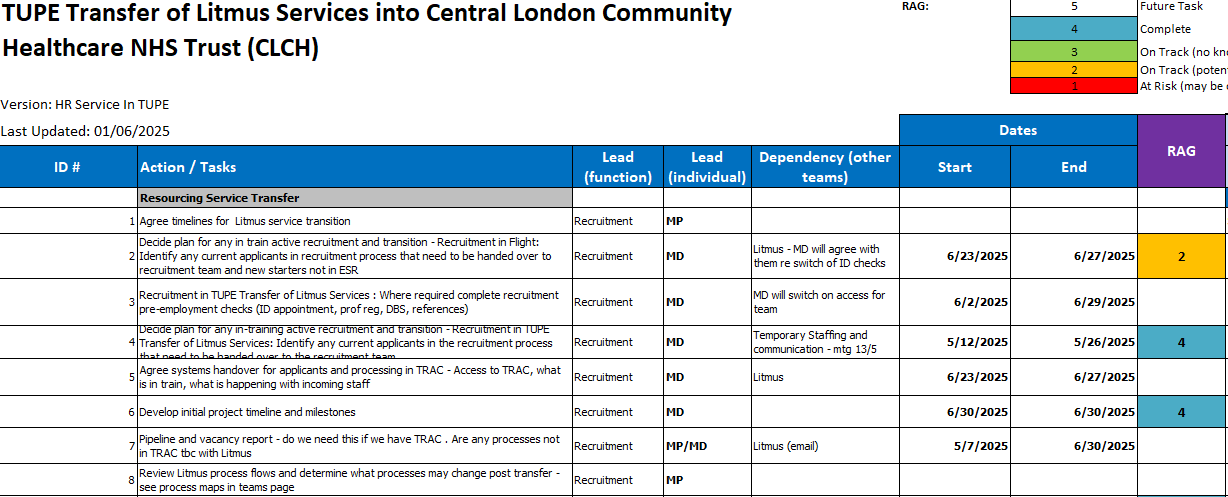
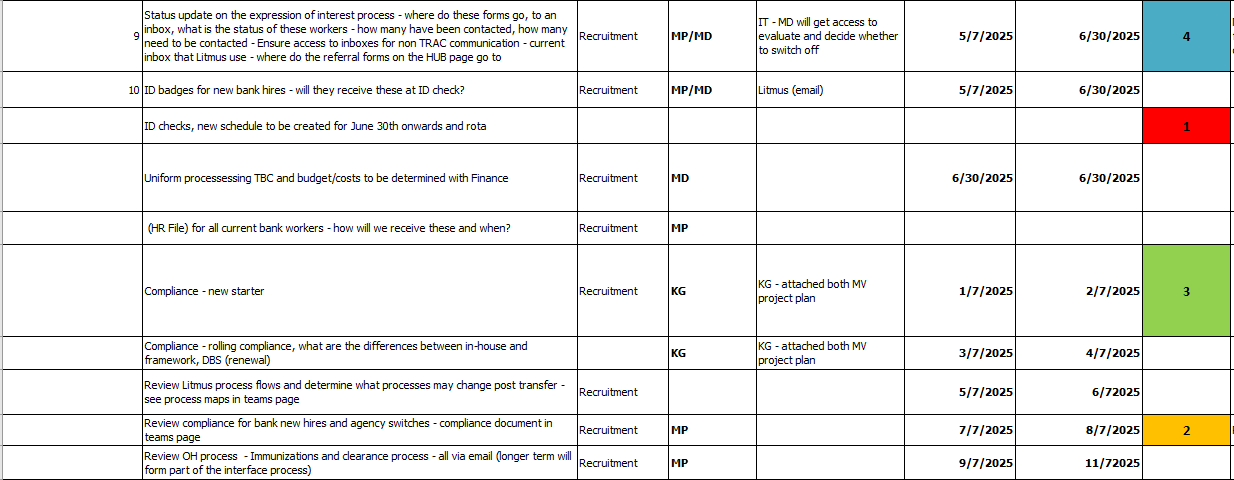
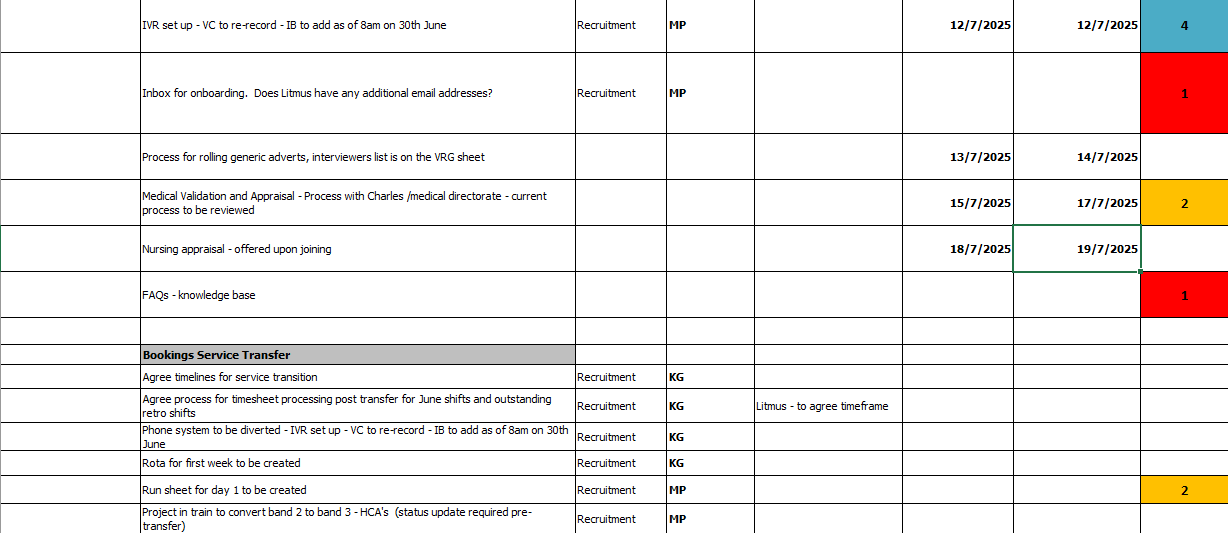
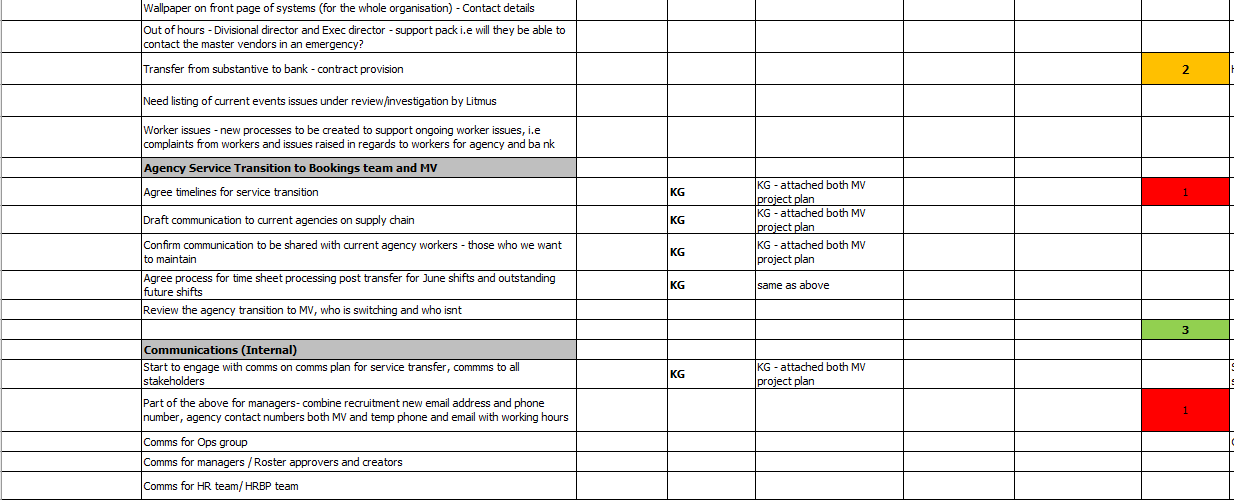

Figure 1. TUPE Transfer of Litmus service
(Source: Self-Developed)
A work breakdown structure is a hierarchical decomposition of a project into smaller, manageable components. It presents visually the project scope and organizes the work into a deliverable-oriented structure. These tools help project teams define scheduled task estimates, costs, and allocate resources.
Level 2: presenting the resource and recruitment transparency
TUPE regulations apply to the specific situation, considering factors that help to improve the collaborations between employers. This helps to create a detailed handover plan that helps manage the task timelines and responsibilities. The outgoing employer must provide the new employer with the essential information of the employee at least 28 days before the transfer date. This needs to monitor the transition process and review the handover plan to identify any issues or challenges.
Transition Timeline
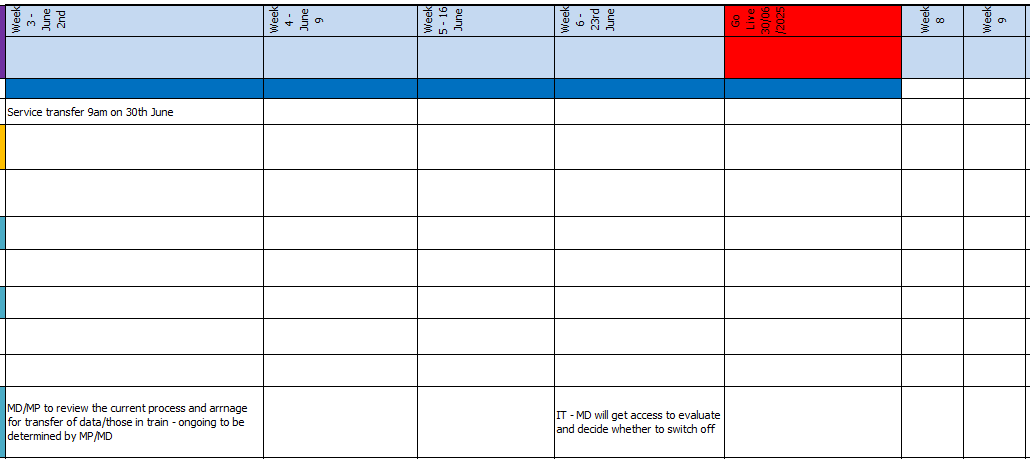
The staring date of the Litmus service in the NHS was 23rd June 2025, and the end date of the project is 27th June 2025. To develop the initial project timeline, it needed only one day on 30th June, 2025which is mentioned in the report.
Managing recruitment in the fight during TUPE transfer and pre-employment checks requires careful coordination. This involves information gathering, communications, consulting contract review, and pre-employment checks.
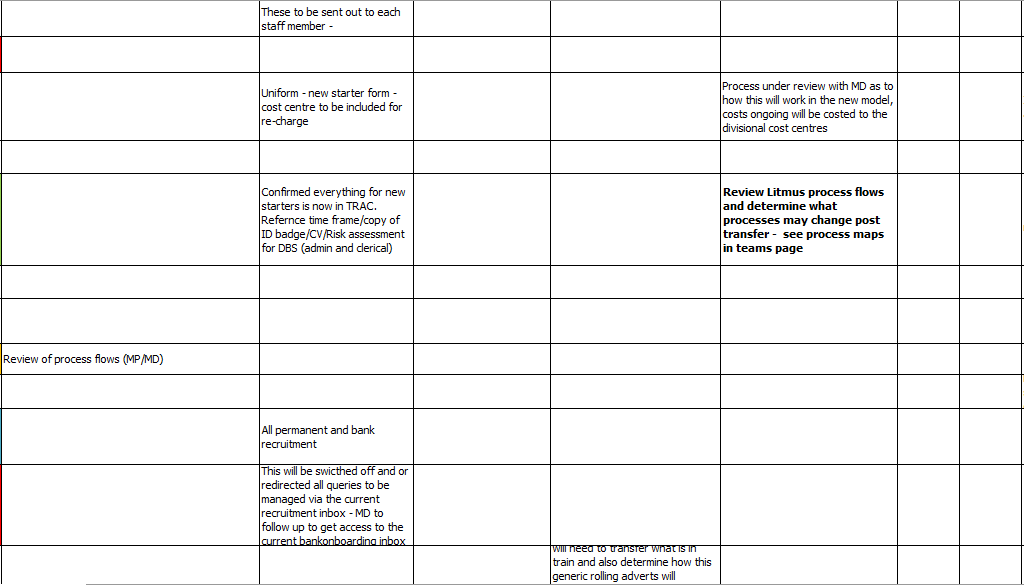
The TRAC system involves information collection and consultation, data transfer, along access rights. This also works on the Due diligence and balancing the terms. The project timeline for the TUPE process involves the final integration and initial assessment. Through reviewing the pipeline and vacancies, this involves the employee details and or any kind of potential changes. Thai means an employer needs the detailed employee information, even including their age, gender, and pay cheque along with the contract term.
Compliance on boardings
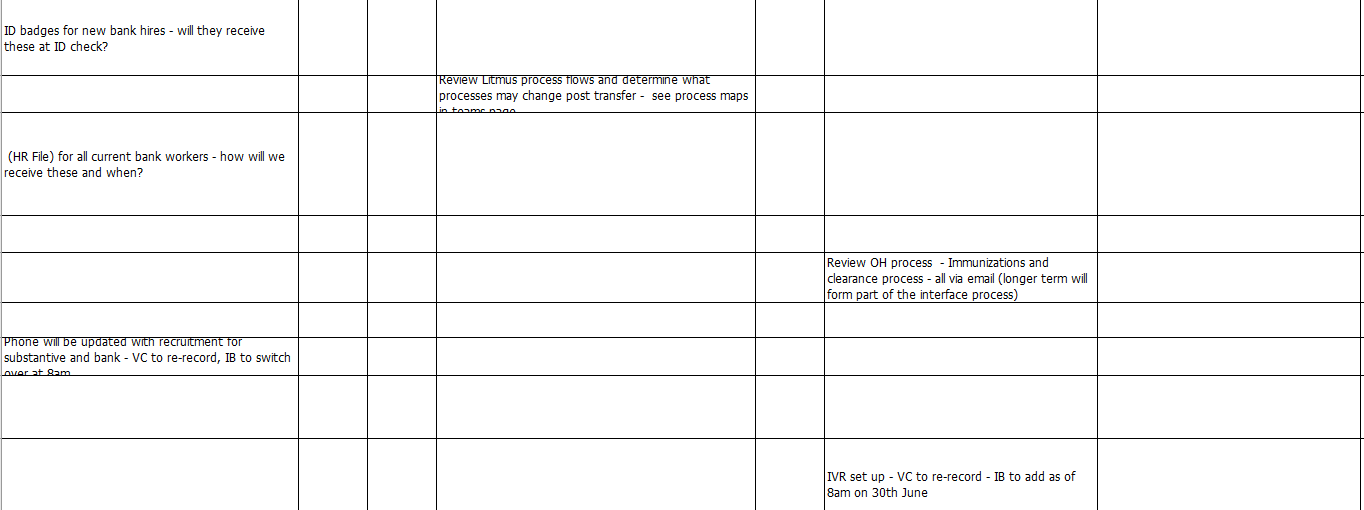
In the above figure, this has been noted that overall compliance onboarding has been presented, which mainly discusses meeting all the new starters' NHS compliance standards and which is properly onboarded. The overall key task is ID badge issuance and scheduling, unfirming the processing, and also aligning the overall cost centre. HR file transfer and the overall bank workers have been presented in the above figures, which mainly include disclosed compliance checks for the new starters, and also rolling out the DBS renewals and occupational health () OH ) process review mainly presents the immunisation clearance. The overall risk status is mainly presented in a flagged risk.
Get assistance from our PROFESSIONAL ASSIGNMENT WRITERS to receive 100% assured AI-free and high-quality documents on time, ensuring an A+ grade in all subjects.
Communications and systems
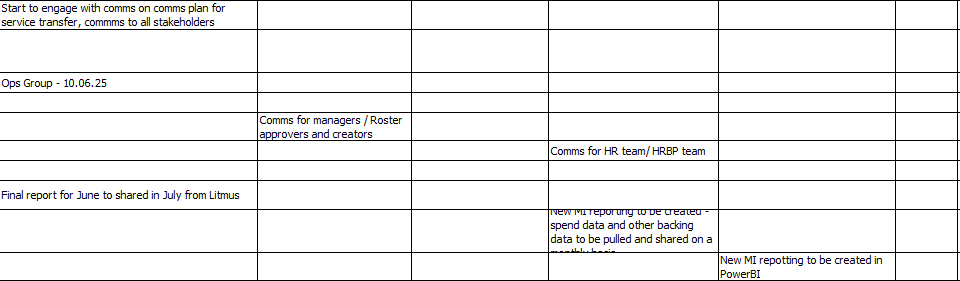
In this consideration, the use of the communications channels and also aligned with the go-live portions.
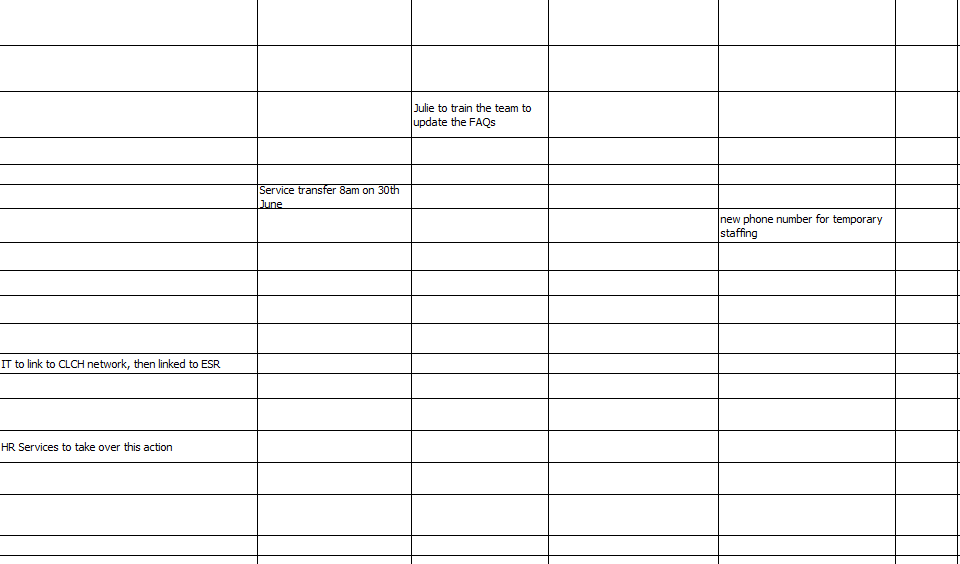
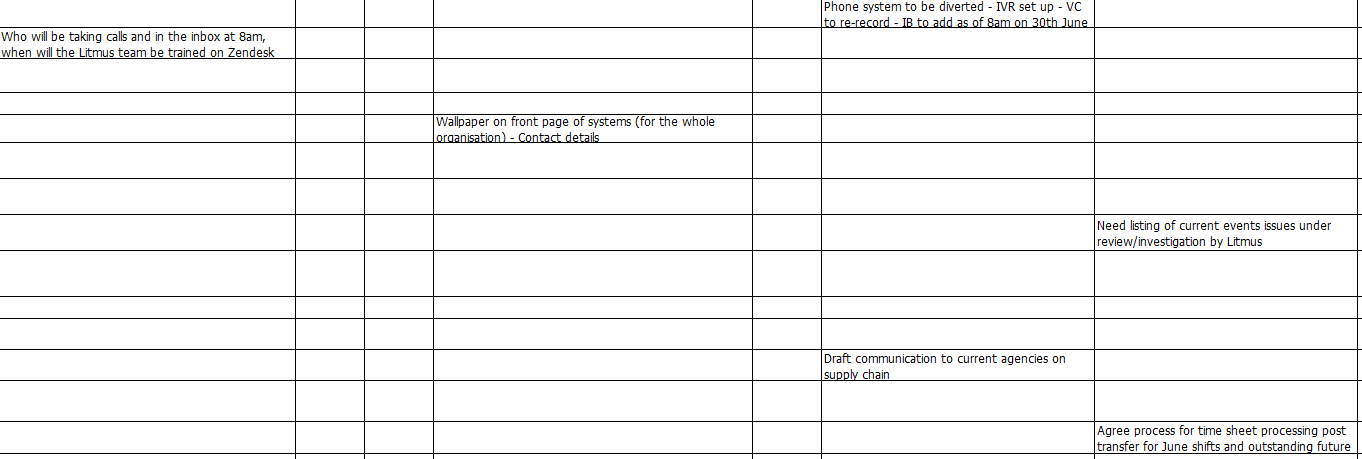
The overall key tasks for the communications systems are setting up for IVR and updating the phone systems. Using the FAQs knowledge, which mainly relates to the base training and the overall position, is mainly represented in the expressions of interest tracking and also in onboarding, the overall email process. IT support and overall interview tracking positions are mainly referrals from the team. This has also presented the expression of interest tracking and referral forms from the outgoing positions are also added in that part. The overall dependencies are its support for the system access, and the Julie for the FAQ training is also considered a crucial part. Set up, such as VC and IB, is a significant part that is mainly related to all of the dependencies. Some tasks have been completed on the flagged at risk in the reason of the system access. Appraisal and the validations of which mainly align with the medical and nursing staff for the post-transfer. Charles and the medical directorate are the core dependencies, and overall potential risk is found due to the integration of timelines. The future task is mainly to monitor the past go-live streaming, and all TRAC access is mainly confirmed by the FAQs training, on-track positions is mainly presented by the recruitment checks and IVR set-ups.
Gantt chart


Conclusions and Recommendations
The entire report shows the concept of consultative projects in the context of the TUPE process in the NHS. The first part starts with an overview of the concept and highlights the project objective along with the research process of undertaking the part. In this area, the risk and the solution have been explained in detail through creating a table. The net part of this report shows the timeframe of the TUPE process along with a detailed explanation of the Gantt chart. The analytical findings show the framework along with strategies to work on with the timeline chart. The implementation plan and the recommendations’ part are aligned with the main topic to show a clear picture of improvement areas. The entire TUPE process must be handled with sensitivity and paying more attention to the employee transfer process. Through maintaining the continuity of employment, this process provides the employee with rights. The disruptions must be handled through risk management can be aroused during the TUPE process and employee transfer. Both old and new employees need to receive a formal, well-started documentation after completing the process. The accurate execution of the entire process can help in the NHS organisational infrastructure. In the context of management, the case of employee transfer must be executed with ease and sensitivity the cultural diversity can be challenging. The impact of the TUPE process can influence the overall organisation management of NHS‘s trust, which is CLCH. In the above graph has been presented the overall gain chart which presents the overall allocations date of the works and this is also reflected on terms of the Gantt chart All of the allocations task positions is also presented in the Gantt chart and this is noted all the positions of the various task listed in the above. The date and the overall dependencies are also presented above. In the above task, this has been noted that the allocations task mainly pertains to the above.
Recommendations
To improve the effectiveness and potential benefits of the employees during the transferring process, TUPE can focus on these few key areas to increase the performance.
Open communication in the early stage
The TUPE transfer must be discussed with the employees, and their point of view also needs to be considered. The clarified scope and proposed transfer date must be conveyed to the employees before transferring them. Open communication in the early stage of transfer will help to reallocate the employees to the effective workplaces with specific job roles based on their skill set. In this case, the transfer planning was approved in December 2024, and prior to that open discussion with the employees was required.
Due Diligence and ELI
Understanding the liabilities and risk factors is important before transferring the employees. So, the information about both the employee and the employer needs to be gathered for effective transportation that is provided in ELI. Besides the general information, ALI consists of information regarding the legal , social and background information.
Consult for legal advice
Proceeding with the whole task while maintaining legal advice can help to navigate the legal complexities regarding the TUPE transfer. Legal consultation must be taken in the early stage to avoid interruption in the future.
Employee consultation
Employee consultation is an effective way to build streamlined communication with the employees who will be transferred. The detailed overview about the transfer, the new organisation, which is CLSH here, and the employer must be disclosed to the employee for prioritizing their expectations and needs. These strategies are effective for a successful TUPE transfer that aims to protect employee rights.
Implementation Plan
A Gantt chart is a visual project management tool that displays a project task, its start and end dates, and dependence on a timeline. That helps planning and scheduling the projects that ensuring the employee that they are on the same page in the context of the organisational goal. A Gantt Chart is crucial for effective project management that involves the visual representation of project timelines, task dependencies, and resource allocations. This involves the realistic timelines that help to enhance collaborative work. Through this project can be monitored and controlled. This helps to identify the potential risk, along with time management. The Thai project of the TUPE process in the NHS project helps to track the resource allocation along with the stakeholder management . This chart helps to provide a visual representation of planning an outline and actual action or project.
Recently Downloaded Samples by Customers
Task 1: Regulation of Reserved Legal Activities and Authorized Persons The 2007 Legal Services Act 2007 (LSA 2007) brings about...View and Download
Introduction Ireland has established its obligation to appreciate human rights with the help of the system of legal and the...View and Download
1: Introduction: Private Equity and Venture Capital The private equity industry has undergone a radical transformation in the...View and Download
Introduction - Innovative Technologies Driving Sustainability at The Crystal Sustainable construction has become a vital...View and Download
Introduction Organisational Communication can be described as a significant concept that helps in defining the way in which...View and Download
Introduction - International Trade Assignment Sample International trade means the exchange of goods, services and capital...View and Download