
Sustainability and Responsible Business Assignment Sample
Sustainability and Responsible Business Assignment Sample examines corporate social responsibility, ethical decision-making, stakeholder management, and long-term strategies for sustainable business practices.

- Introduction: Sustainability and Responsible Business
- Overview: Broader Ethical Issues in the Modern Workplace
- Ethical Theories Applied to Business
- Ethical Business Structures and Stakeholder Theory
- Regulatory and Political Pressures
- Volkswagen’s Dieselgate Scandal
- BMW Sustainability Practices
- Mercedes-Benz’s Ambition 2039 Strategy
- Type Assignment
- Downloads2193
- Pages18
- Words4550
Introduction: Sustainability and Responsible Business
Sustainability principles are implemented by businesses that want to remain in the long run, such as reducing the adverse effects on the environment, society, and the economy. The automotive industry values sustainability as it walks the fine line between becoming a good corporate citizen and turning a profit. Contrary to the sole emphasis on financial performance, the performance of socially, environmentally, and ethically responsible businesses is based on business decision-making based on ethical considerations that aim to ensure that organizations address business problems without sacrificing moral principles. Volkswagen, BMW, and Mercedes-Benz are among the famous automobile firms, and this article details their sustainability practices, ethics, and corporate responsibility and issues. The automotive industry has quite a few sustainability challenges such as environmental impact, regulatory compliance, and ethical business practices. For example, the Dieselgate scandal at Volkswagen displayed the consequences of companies behaving unethically, and the consequences of companies trying to fool both their regulators and their customers. Likewise, greenwashing allegations have scrutinized the sustainability offerings of major manufacturers. Both BMW and Mercedes-Benz have taken some fire for their eco-friendly pledges, but both are ardent supporters of electric vehicle research. All these dilemmas illustrate how tough it can be for companies to deliver on their stakeholders' expectations while remaining creative, transparent, and sustainable. Businesses can be examined in relation to the ethical theories and frameworks and how they apply to decision-making involved in the sustainability discussion. This study examines vital ethical concepts such as stakeholder concept and company social responsibility (CSR) to see how closely these auto firms adhere to ethical standards. Business plans and long-term planning are also influenced by the legal frameworks and corporate governance that shape the industry's attitude to sustainability. Automakers are leading the way in corporate sustainability initiatives. As globalization allows more players to enter the global market, businesses finding themselves in an even more competitive market are urged to be more innovative and flexible when it comes to external pressure for environmental compliance. Improvements in technology, especially in electric mobility and alternative energy, are changing the business environment. They have faced political and regulatory demands to invest in greener technologies to meet tighter emissions standards. Growing stakeholder expectations and changing consumer preferences are raising the bar on corporate moral performance. These findings align with the foundational themes of the course, notably those of Week 2 (Ethical Theories) and Week 1 (Drivers of Change). Through the analysis of these environmental issues and ethical challenges faced by firms like Volkswagen, BMW, and Mercedes-Benz, this research sheds light on the changing landscape of corporate responsibility inside the automotive industry.
Assignment samples are shared to explain coursework structure and key learning outcomes. Through our help with assignment UK, guidance is provided while maintaining originality and ethical academic practice. The Sustainability and Responsible Business Assignment Sample highlights sustainable business strategies, corporate responsibility, and practical approaches to ethical decision-making. These materials are intended solely for study and reference purposes.
Overview: Broader Ethical Issues in the Modern Workplace
When the possible contributions of ethical issues confronting businesses are adequately analysed, they can significantly influence the future planning process. It is the creation of long-term business plans, particularly in certain industries such as the automotive industry that have major social and environmental implications. CSR (Corporate Social Responsibility) and Sustainability and Responsible Business have become integral parts of the business strategy of many major corporations. The approach influences their long-term performance by taking social, environmental, and ethical issues into consideration in their business strategies. Ethical business practices are important to these companies' credibility, client loyalty, and ability to remain compliant with the law (Martinho et al., 2021). Examples of corporate social responsibility (CSR) initiatives in the automobile sector are sustainable processes, community development, and controlling carbon footprints. Some recent scandals and corporate criminal behaviour, like the Volkswagen emissions crisis, as stains on the record of achievements by these companies to cast doubt on the credibility of their CSR achieving promises. Due to the complexity of a company's economic, social, and environmental obligations, the automotive industry is a natural match for the Triple Bottom Line (TBL) paradigm (Zhang et al., 2021). Profit positioning while remaining ethical is a much-acclaimed market resource that ensures economic viability. Its social responsibility encompasses involvement in community-led initiatives, powering diverse workforces, and practicing ethical labour. Understanding that they are in great demand, BMW, and Mercedes-Benz the best way to define their deep concern for environmental issues is that they invested huge amounts of resources in electric vehicle research and development, energy carbon neutrality, and the use of renewable energy sources (Sundarrajan and Krishnan, 2023). If these efforts make an impact on sustainability, we still have a long way to go to eliminate internal combustion engines completely and lessen the environmental impact of battery production. Green HR practices have opportunities to transform in such areas in the ethical landscape of the automotive industry like procedures of employment, managing supply chain, etc. Because Volkswagen, runs on "Far future" plans in their Human Resources department. These plans include programs for the health and happiness of employees and policies to promote diversity and inclusion. Green HR relies on supply chains to guarantee that minerals such as lithium and cobalt, which help to power electric vehicle batteries, are sourced ethically. However, concerns about conditions in mining work remain, and more ethical oversight is necessary. It is noteworthy for big companies in the automotive sector, e.g., BMW, Mercedes-Benz, and Volkswagen, that their CSR, TBL, and green human resources policies must be compatible with the changing ethical expectations of society (Patel, 2024). Their long-term success and their reputations as responsible firms in our interconnected world will depend not on their pure profit margin but on how well they fulfil social and environmental responsibilities as well.

 8 Years | MSc in International Project Management
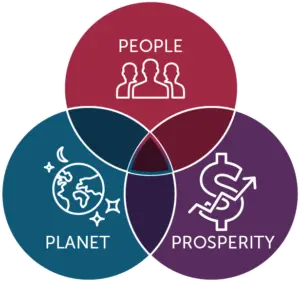
Figure 1: Triple Bottom Line Theory
Ethical Theories Applied to Business
Businesses use ethical theories as a framework for making complex decisions that, overall, make sure that they are good corporate citizens. These moral factors include sustainability, safety of customers, and adherence to authorities and their laws, all of which are extremely significant to Sustainability and Responsible Business strategy and corporate conduct in the automotive world. Automakers focused on cause content and their bottom line, must consider what's good for corporate citizenry, a sort of utilitarian ethic that builds corporate benefits against public harm. Let's at least be sure that is comparing like to like when we have this debate, trying to drive improvements in electric mobility, the now much-touted fuel efficiency is good things for society in the end, but corporate scandals around emissions and so forth prove though how corporates then put themselves at risk of being liable using their profit makers in all single measures when profits come first, that becomes a risk for their reputation (Fobelovâ and Forgon, 2023). The profit motive is no excuse for business interest to disregard public safety and health. Since deontology is based on duty, car companies comply with all relevant local, state, and federal laws. These can include complying with safety regulations, being honest about vehicle emissions data, and adhering to environmental laws. This violative act is in direct opposition to what is considered "Deontological" whereby doing the right thing in moral terms is more important than baptism by profits, dictates corporate compliance, a conviction for a morally superior process of emissions by corporations, and an emphasis on corporate responsibility (Doan, 2024). The virtue ethics framework focuses on the development of an ethical culture in business as it stresses the importance of accountability of leadership as well as that of corporate integrity. The vehicle industry can do this by leading the way in sustainability, as evidenced by efforts to make carbon-neutral manufacturing, ethical supplier chains, and renewable energy the norm. But it is by no means easy to make sure that these commitments are not a bunch of empty words but are woven into the company at all levels. In a fair and just world, businesses deal with their customers, workers, suppliers, and investors decently. Supply chain management ethics challenges mostly emerge from the raw material acquisition phase, notably for materials in electric vehicle batteries including cobalt and lithium (White et al., 2024). If the sector is to remain equitable, ethical sourcing and decent working conditions must be continually monitored. Principles of rights-based ethics cover consumer and environmental rights, responsible waste disposal, advertising transparency, and car safety. This is a relativist response, and, in fact, different cultures and regulatory frameworks develop ethical standards particular to the geography in which they are found. There already exist differing opinions between professionals and the government body that oversees the profession, and this is an essential part of the long-term credibility and sustainability of the sector, a common code of ethics needs to be maintained. Thereby, these ethical concepts can improve the automobile industry to enhance responsible, sustainable, and customer-centric business practices.
Ethical Business Structures and Stakeholder Theory
In the automobile business, these parameters are critical for establishing ethical corporate structures that balance the interests of employees, consumers, investors, the government, and the community. Businesses are prioritizing these interests while profit generation is still taking place. Invest in employees and look after their safety and welfare. Millions of people depend on car manufacturing companies to make vehicles that are broken and bad for the environment. Maximum investors are seen as wanting ethical leadership and transparent communication to help ensure a company's financial status (Esposito et al., 2025). Regulators set the rules on safety, emissions, and the environment, and businesses are expected to follow those rules. In return, communities expect businesses to do good work when it comes to hiring local workers, contributing money to the community, taking care of the environment, and so on.
Such unethical behaviour can have disastrous ramifications, such as breaching environmental rules or engaging in misleading advertising. In the car business, these kinds of errors can translate into tarnished images, fines, and customer distrust. For instance, the emissions scandal was extremely damaging to Volkswagen’s credibility and since then, customer trust and the company´s financial line also suffered (Valentinov and Chia, 2022). The company itself faced threats to its continued operation, including legal action, fines, and a drop in market share. Since they are directly correlated with a company's long-term profitability and standing in the very highly competitive automobile marketplace, it is a matter of utmost importance for car companies to follow ethical business practices. Stakeholder’s interests, if not maintained can end up in severe consequences.
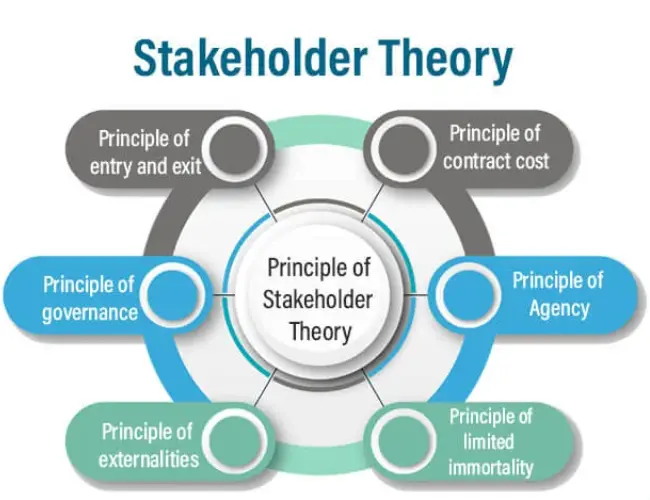
Figure 2: Stakeholder Theory
Regulatory and Political Pressures
The automotive sector has faced mounting political and regulatory pressure for some time, helps to corporate scandals and an increasing interest in sustainability. Stricter emissions regulations and sustainability standards stem from a global increase in demand for environmentally friendly manufacturing practices for both consumer goods and vehicles. One of the more famous of these most likely be the VW emissions scandal, which highlighted the need for better regulatory frameworks to ensure that environmental standards are upheld (Cekerevac, 2025). Governments have put forward stricter emissions standards to hold carmakers accountable for the environmental impact of their products. Such limitations include more rigorous testing processes and lower limits on carbon emissions. Organizations like the European Union or the United Nations make it significantly easier for companies in the automotive world to create environmentally friendly practices. The areas of the car industry that European climate policies like the "Green Deal" and "Fit for 55" are targeting have to do with carbon emissions and increases in renewable energy usage. Because regulators mandate the use of such technology, they are forcing businesses to invest more heavily in green. Amongst these are electric cars (EVs) and processes that implement renewable energy into manufacturing (Lee et al., 2022). To avoid getting into hot water with regulators and to preserve their brand names from potential disasters, businesses must ensure their operations are in alignment with Sustainability and Responsible Business and global sustainability goals.
Get assistance from our PROFESSIONAL ASSIGNMENT WRITERS to receive 100% assured AI-free and high-quality documents on time, ensuring an A+ grade in all subjects.
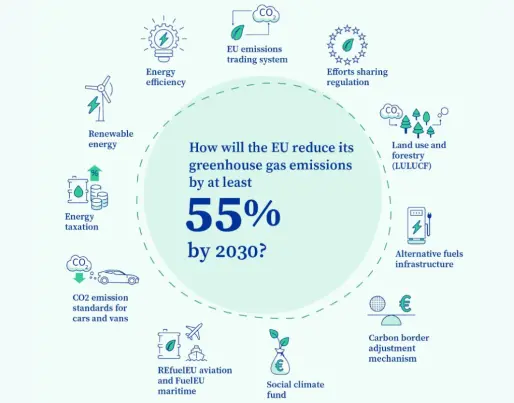
Figure 3: Fit for 55
Volkswagen’s Dieselgate Scandal
- Background: The VW Dieselgate scandal was one of the most publicized business disasters in recent history. Back in the early 2000s, Volkswagen marketed their diesel cars with the tagline "Clean Diesel", to highlight that they were better for the environment than petrol-powered cars. It was a pitch to reach consumers concerned with the emissions of their cars. In 2015, the Environmental Protection Agency seized defeat devices in Volkswagen diesel vehicles. These devices permitted the cars to pass emissions testing, even though their emissions, when not using them, were as much as 40 times higher than was permitted (Boiral et al., 2022). The scandal dealt a crushing blow to Volkswagen's image when it emerged that the company had knowingly deceived customers, regulators, and the public about the environmental costs of its cars. It had resulted in financial and legal consequences.
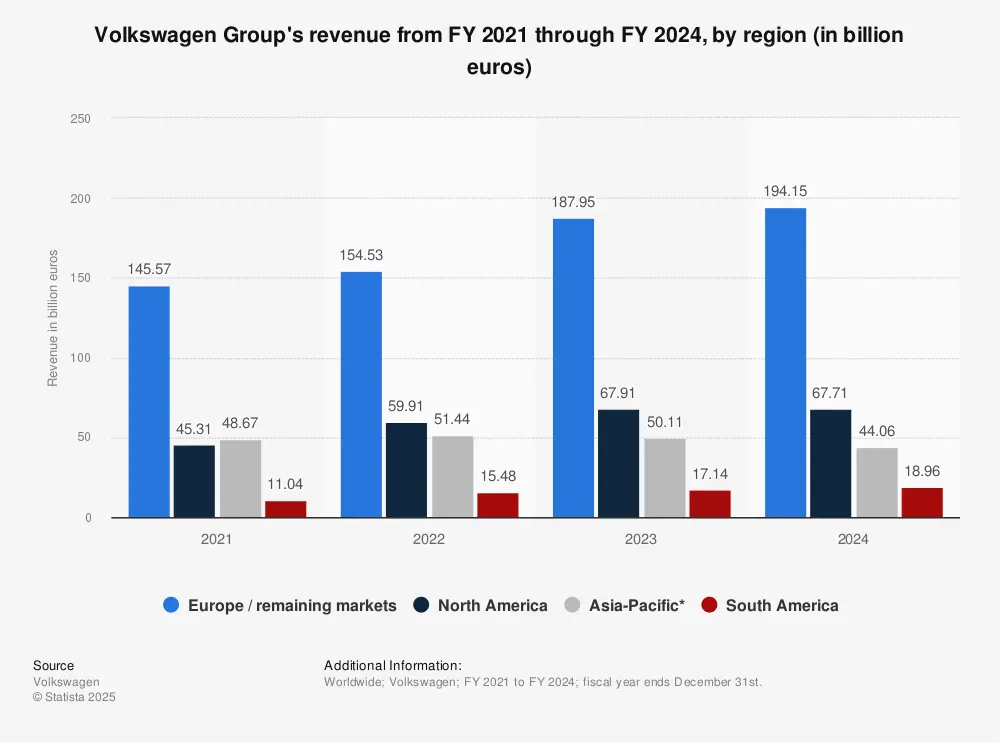
Figure 4: VW Group Revenue
- Ethical Analysis: Utilitarianism states that Volkswagen had lied to authorities and customers to increase profits at the cost of public and environmental welfare. Rather than prioritize emissions regulations and cutting costs, no matter the human and environmental toll, the firm put marketing goals first. The company's dubious deeds polluted surroundings by emitting excessive quantities of particulate matter and nitrogen oxides into the atmosphere. Not only do these pollutants contribute to global warming, but they also exacerbate respiratory problems. Volkswagen broke its deontological duty to be honest and forthright in all its commercial dealings. The company had a mandate to ensure accurate product information and compliance with environmental regulations. Volkswagen's actions breached the most basic ethical tenets of sound corporate governance deliberately inflating emissions test results (Florio and Sproviero, 2021). This delivery failure eroded trust in the company among customers and government organizations alike. The justice and fairness principle also showed that Volkswagen's conduct had an unjust impact on various interest groups. Customers were encouraged to believe they were making an environmentally friendly choice when they bought the company’s “Clean Diesel” cars. More vehicles led to more pollution, which had adverse effects on everyone, and regulators were abused, too. Those who bought the allegedly cleaner and greener car were the hardest hit, but everyone involved was a victim of the extreme action. By using rights-based ethical theory, Volkswagen defrauded its consumers into relinquishing their money for a product that they were led to believe was eco-friendlier and more durable than what it truly was (Riswandi, 2024). Shoppers deserve accurate information, so they can make informed purchases. Volkswagen purposely deceived the emissions figures, ruining public faith in the sector and stealing buyers' alternatives to acquire environmentally friendly things.
- Alignment with SDGs: Volkswagen audaciously violated two of the United Nations’ Sustainable Development Goals (SDGs), SDG 12 (Responsible Consumption and Production) and SDG 13 (Climate Action). SDG 12 highlights the fact that responsible consumption and production are fundamental to sustainable development, and the fact the company employed defeat devices to evade emissions testing runs counter to this premise (Lukin et al., 2022). Moreover, SDG 13 needs climate change impacts to be mitigated rapidly, for which Volkswagen's measures worsened the situation by resulting in excess emissions.
- Lessons Learned: There’s a lot we can learn from the Dieselgate controversy about running our businesses. Objective regulatory evaluation and strict enforcement must not be underestimated. Volkswagen got away with what it did for a long time because of holes in regulatory systems and lax enforcement of environmental rules. Independent watchdogs empowered to enforce regulatory compliance are key in environmentally sensitive sectors, and such bodies are sorely needed. The crisis has reinforced the need for corporate accountability to foster public trust. It took years to repair consumer faith and Volkswagen's image due to the carmaker's secretive and unethical business practices. The best way for other businesses to insulate themselves from reputational and financial harm is to behave responsibly, as this case demonstrates. Integrity, honesty, and a long-term focus are underpinnings of every company's core strategy, especially in dealing with issues of whether and how it positively or negatively impacts the environment and consumer trust.
BMW Sustainability Practices
A worldwide leader in the automotive industry, BMW has been known to prioritize sustainability. The ambition of the corporation to reach carbon neutrality in 2050 is a response to the increasing need for energy sources that produce fewer emissions. BMWs sustainability strategy is based on the concepts of circular economy. These principles focus on the use of renewable energy sources and recyclable materials throughout the manufacturing process. BMW is making efforts towards reducing its carbon footprint and this includes making commitments to the use of sustainable materials (Gomez, 2024). In addition, owing to the heavy investment in electric mobility, the company has been producing hybrid and electric vehicles for eco-friendly transportation as well as combatting pollution. All these activities are part of BMW's larger strategy to reduce the impact its business has on the environment, while also trying to get other automakers to follow suit.
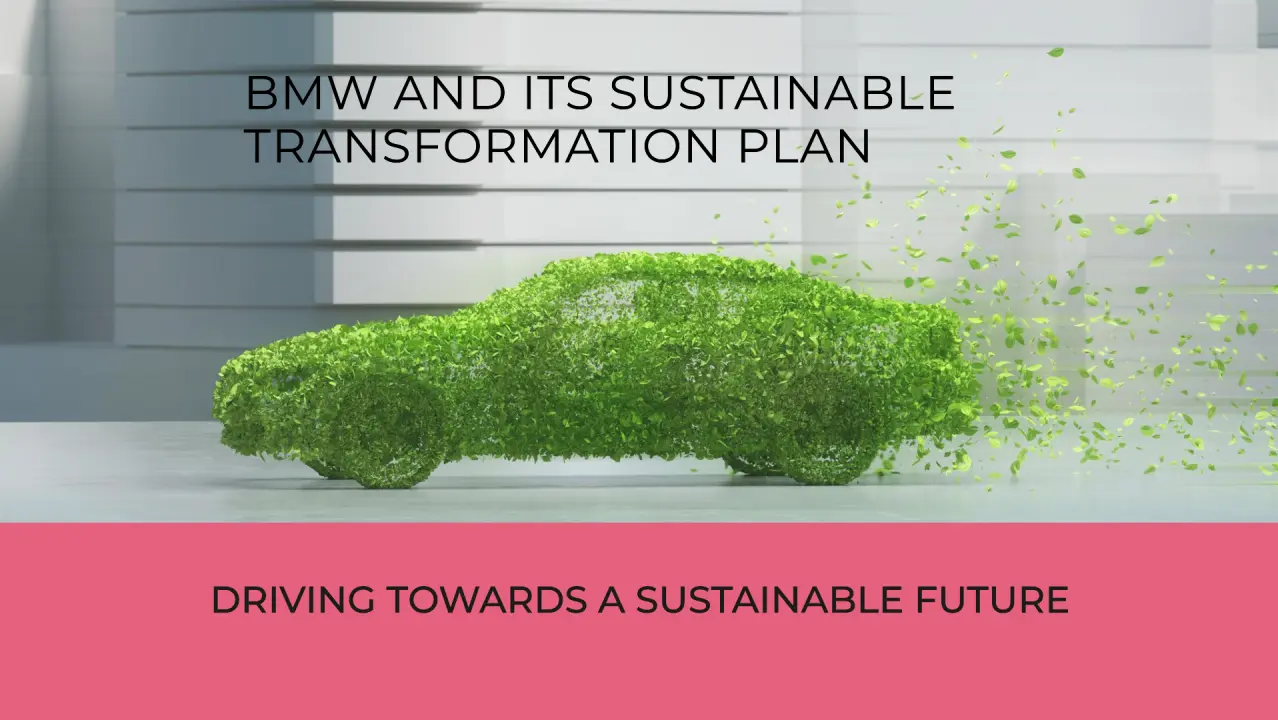
Figure 5: BMW and Its Sustainable Transformation Plan
- Ethical Analysis: BMW demonstrates virtue ethics and exemplifies ethical leadership through virtue ethics by embedding sustainability at the heart of its business strategy. Current companies are responsible for acting for the ecosystem and the next generations, and therefore concentrate on its long-term goal of carbon neutrality. By incorporating the principles of the circular economy, BMW sets its business strategy according to ethical guidelines of transparency, responsibility, and accountability. An example of a company that can be both environmentally friendly and retain a competitive edge through ethical leadership (Dziwiński, 2024). When BMW considers customer rights to environmentally friendly transportation, it is a rights-based ethical approach. With its lineup of electric and hybrid vehicles, the company ensures consumers can buy planet-friendly products with peace of mind. By focusing on green solutions, BMW recognizes the right of customers to make informed choices in line with their individual beliefs and requirements. The company’s focus on sustainability means that customers know that their purchases contribute to a cleaner environment, so they feel good about their purchases, and in turn, become more loyal to the brand (Wissuwa and Durach, 2023).
- Alignment with SDGs: Several United Nations Sustainable Development Goals (SDGs) correspond well to BMW's sustainability strategy. The corporation's innovative solutions promote and enable increased efficiency and sustainable production in support of Goal 9 (Industry, Innovation, and Infrastructure). SDG 11 promotes cleaner, more sustainable urban environments, and the company aligns with this goal through its commitment to using renewable energy sources in production and reduction of environmental impact within the supply chain (Lukin et al., 2022). Electric vehicles, underlined by BMW's sustainable materials use, reduce the environmental footprint of traditional gas-powered vehicles by using cleaner energy sources.
- Lessons Learned: By outlining a plan for sustainability initiatives, BMW is giving visibility to its long-term benefits. A proactive approach towards sustainability and competitive edge is a message sought. BMW announces renewable energy use and carbon neutrality aiming for sustainability, BMW makes a pledge to use only renewable energy and become carbon neutral. These initiatives not only help to meet international environmental targets but also serve the increasing number of consumers interested in green goods. BMW's approach highlights whether sustainability can be a profitable business model that drives innovation, strengthens brand image, and attracts customers who care about the environment. It is also considered an ethical obligation. There is also the example of global sustainability frameworks such as the SDGs that companies must adhere to. By committing to work on SDGs 9 and 11, BMW shows how companies can embed sustainability into their processes for the betterment of all stakeholders. Through the market-based transformations driven by sustainability, organizations can learn from BMW's example, as demonstrated through the ideas presented above, not only does this help reduce the environmental impact of BMW as a company, but most importantly acts as a significant catalyst for research and development to identify new opportunities and innovations that will change the position of companies actively generating ideas for sustainability.
Mercedes-Benz’s Ambition 2039 Strategy
Mercedes-Benz has entered a major foray into sustainable development with the Ambition 2039 Strategy. It also aims to produce cars that produce no greenhouse gas by 2039. These plans adhere to the growing demand for sustainability within the automotive sector. The company aims to shift towards electric mobility, eliminating internal combustion engines and focusing on battery technologies. It is also making a strong priority of green energy in its production procedures to limit its ecological footprint (Berezina, 2024). Renewable energy sources, carbon emissions-free supply chains, and the tenets of the circular economy are key components of Mercedes-Benz's approach to sustainable innovation. The company's dedication to responsible production is manifested in its long-term sustainability efforts that are integrated throughout the business strategy.
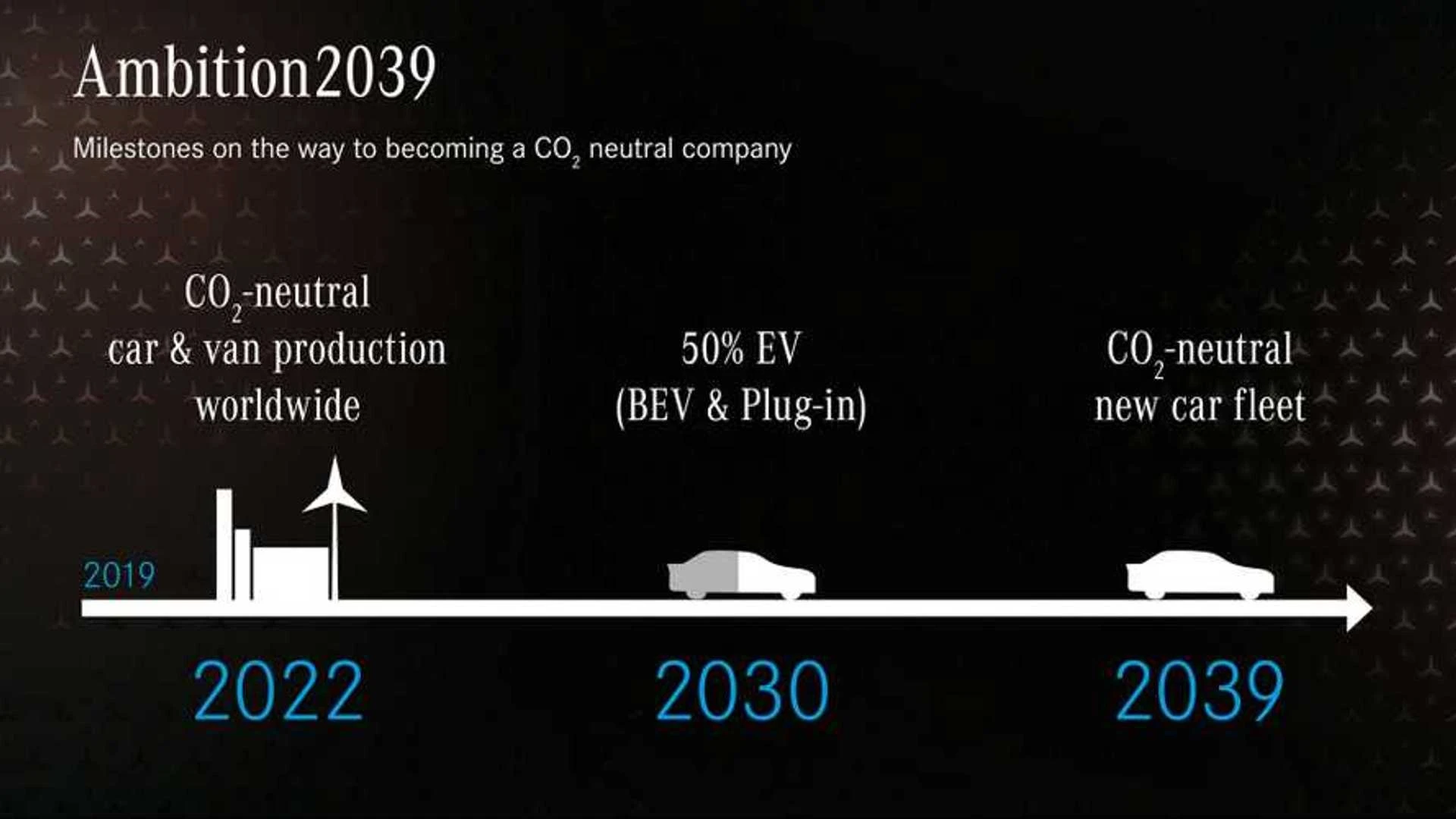
Figure 6: Ambition 2039
- Ethical Analysis: From a deontological perspective, Mercedes-Benz is exhibiting duty-based ethics by aligning itself with sustainable principles through a lengthy sustainability plan whereby it strives to treat the environment with responsibility and fairness. The company does not want to make short-term earnings decisions but wants to stick to its ethical commitment to reduce emissions with Ambition 2039. Switching to renewable energy sources and electric vehicles aligns with doing the right thing (Papadimitriou and Duysinx, 2022). To ensure fairness and justice, Mercedes-Benz maintains ethical supply chains and working conditions. As part of efforts to lessen its environmental footprint, the company has more sustainably sourced its raw materials. In regions where resource extraction has a long legacy of exploiting workers, this ethical supply chain model fosters fair employment practices. Mercedes-Benz has put rigorous standards for labour and sustainability in place to ensure that its environmental initiatives do not violate human rights (Nam, 2023).
- Alignment with SDGs: Sustainable Development Goal 7 (Affordable and Sustainable Energy) is well aligned with the Ambition 2039 Strategy, which powers its factories using renewable energy and enables a shift towards sustainable transport. Electric car technology is part of the shift away from fossil fuels and toward more sustainable energy alternatives worldwide. SDG 12 (Responsible Consumption and Production) Mercedes-Benz is really committed to responsible production of its products. Fulfilling its commitment to sustainable production techniques, the company has announced a far-reaching plan for carbon neutrality (Jasiński et al., 2021). This will enable them to reduce waste and their carbon footprint.
- Lessons Learned: An important lesson from Mercedes-Benz’s playbook is that to build credibility and retain customers, companies need to have clear, quantifiable sustainability targets. More than anything, the company is cantered as a creative and ethically compromising car designer by cementing its plans for at least the next decade. Through its Ambition 2039 Strategy, Mercedes-Benz is paving the way in the new market segment for ecologically and socially conscious brands. Yet another aspect to consider is the relevance of end-to-end business sustainability initiatives that are holistic and interconnected. Mercedes-Benz is putting its sustainability efforts to work in many areas, including ethical sourcing, renewable energy, and electric mobility. This can be a lesson for businesses in every sector in how ethical and environmentally friendly practices can become a core part of their policies and everyday goings-on, from the sourcing of raw materials to the final product.
Conclusion and Future Implications
The Dieselgate scandal at Volkswagen further says plenty about the severe risks of greenwashing and, more generally, the corporate economy. This demand for greener technologies, and the widespread acceptance of electric vehicles and alternative renewable fuels, are the most noticeable signs of moving to sustainability. With tougher pollution regulations, governments around the world are increasingly demanding that car manufacturers integrate sustainability standards throughout the production process. At the same time, consumers are expecting businesses to show up true and fair. If companies cannot deliver these promises they risk becoming irrelevant. Those businesses concerned about staying competitive in the modern economy and acting with goodness toward society must think in SDGs. If authorities do not crack down, companies will not stop their unethical behaviour in the future, either. In modern-day socially conscious markets, companies that listen to their audience and act on ethical decision-making and environmental responsibility will prevail.
References
- Berezina, P., (2024). The Electric Revolution from China: Impact of Chinese Electric vehicles on Logistics and Market in Europe. https://www.theseus.fi/handle/10024/876983
- Biswas, T. (2024). Explore BMW’s sustainability transformation plan and similarities in sustainability strategies between BMW and Volkswagen. [online] Linkedin.com. Available at: https://www.linkedin.com/pulse/bmw-its-sustainable-transformation-plan-tania-biswas-iuhsf.
- Boiral, O., Brotherton, M.C., Yuriev, A. and Talbot, D., (2022). Through the smokescreen of the dieselgate disclosure: Neutralizing the impacts of a major sustainability scandal. Organization & Environment, 35(2), pp.175-201. https://journals.sagepub.com/doi/abs/10.1177/10860266211043561
- BUILD UP (2024). Fit for 55 | BUILD UP. [online] build-up.ec.europa.eu. Available at: https://build-up.ec.europa.eu/en/resources-and-tools/links/fit-55.
- Carlier, M. (2025). Volkswagen - revenue by region 2018 | Statistic. [online] Statista. Available at: https://www.statista.com/statistics/260805/revenue-of-volkswagen/.
- Cekerevac, Z., (2025). Ecological and Economic Risks of Using Gasoline, Electric, Hybrid, and Hydrogen-Powered Vehicles.". https://mest.meste.org/MEST_Najava/XXVI_Cekerevac_2.pdf
- Doan, B., (2024). Ethical Lenses In Management: A Historical Analysis Of Managerial Decisions Through Consequentialism And Deontology. Available at SSRN 5021994. https://papers.ssrn.com/sol3/papers.cfm?abstract_id=5021994
- Dziwiński, P., (2024). The social responsibility strategies in time of the climate crisis in selected car manufacturers. Zeszyty Naukowe. Organizacja i Zarządzanie/Politechnika Śląska. https://yadda.icm.edu.pl/baztech/element/bwmeta1.element.baztech-51f5dff0-51a4-4a86-a9d8-8e9cefb45bd9
- Esposito, P., Marrone, A., Pontrelli, V. and Rella, A., (2025). Exploring drivers and factors of benefit impact reports quality: Retracing a stakeholder theory approach. Business Strategy and the Environment, 34(1), pp.555-569. https://onlinelibrary.wiley.com/doi/abs/10.1002/bse.3974
- Florio, C. and Sproviero, A.F., (2021). Repairing legitimacy through discourses: insights from the Volkswagen’s 2015 diesel scandal. Meditari Accountancy Research, 29(3), pp.524-542. https://www.emerald.com/insight/content/doi/10.1108/MEDAR-08-2019-0547/full/html
- Fobelovâ, D. and Forgon, T., (2023). Ethical-theoretical recommendations for the area of case studies of new technologies. Zeszyty Naukowe. Organizacja i Zarządzanie/Politechnika Śląska. https://yadda.icm.edu.pl/baztech/element/bwmeta1.element.baztech-b13251d7-ef8d-4550-9ca2-668bc30d9796
- Gomez, R., (2024). Driving Sustainability and Innovation through Design. Research Journeys to Net Zero, 43. https://library.oapen.org/bitstream/handle/20.500.12657/88074/9781040014530.pdf?sequence=1#page=68
- Jasiński, D., Meredith, J. and Kirwan, K., (2021). Sustainable development model for measuring and managing sustainability in the automotive sector. Sustainable Development, 29(6), pp.1123-1137. https://onlinelibrary.wiley.com/doi/abs/10.1002/sd.2207
- Lee, D., Hess, D.J. and Heldeweg, M.A., (2022). Safety and privacy regulations for unmanned aerial vehicles: A multiple comparative analysis. Technology in Society, 71, p.102079. https://www.sciencedirect.com/science/article/pii/S0160791X22002202
- Lukin, E., Krajnović, A. and Bosna, J., (2022). Sustainability strategies and achieving SDGs: A comparative analysis of leading companies in the automotive industry. Sustainability, 14(7), p.4000. https://www.mdpi.com/2071-1050/14/7/4000
- Lukin, E., Krajnović, A. and Bosna, J., (2022). Sustainability Strategies and Achieving SDGs: A Comparative Analysis of Leading Companies in the Automotive Industry. Sustainability 2022, 14, 4000 [online] https://www.academia.edu/download/114643036/pdf.pdf
- Martinho, A., Herber, N., Kroesen, M. and Chorus, C., (2021). Ethical issues in focus by the autonomous vehicles industry. Transport reviews, 41(5), pp.556-577. https://www.tandfonline.com/doi/abs/10.1080/01441647.2020.1862355
- Nam, N.H., (2023). Experience of international car manufacturers in accessing sustainable products for circular economy development. https://osf.io/preprints/ybqrj/
- Papadimitriou, D. and Duysinx, P., (2022). FUTURE MOVE: A review of the main trends in the automotive sector at horizon 2030 in the Great Region. https://orbi.uliege.be/bitstream/2268/291600/1/whitepaper_V1.1.pdf
- Patel, K., (2024). Ethical reflections on data-centric AI: balancing benefits and risks. Available at SSRN 4993089. https://papers.ssrn.com/sol3/papers.cfm?abstract_id=4993089
- Riswandi, R., (2024). From Deception to Redemption: Analyzing Volkswagen’s Reputational Journey Post-Dieselgate. Open Access Indonesia Journal of Social Sciences, 7(6), pp.1814-1826. https://journalsocialsciences.com/index.php/oaijss/article/view/272
- Ruffo, G.H. (2020). Ambition2039: Daimler Aims To Sell Only Carbon-Neutral Vehicles In 19 Years. [online] InsideEVs. Available at: https://insideevs.com/features/425382/ambition2039-daimler-carbon-neutral-vehicles/.
- Sundarrajan, P. and Krishnan, L.R.K., (2023). Emerging Technologies and Evolving Work Practices Impacting Employee Engagement-Automobile Industry. Journal of Law and Sustainable Development, 11(11), pp.e1490-e1490. https://www.researchgate.net/profile/Lrk-Krishnan/publication/376080964_Emerging_Technologies_and_Evolving_Work_Practices_Impacting_Employee_Engagement-Automobile_Industry_2_Miami_v11_n_11_pages_01-22_e01490_2023/links/656958a1ce88b8703121a145/Emerging-Technologies-and-Evolving-Work-Practices-Impacting-Employee-Engagement-Automobile-Industry-2-Miami-v11-n-11-pages-01-22-e01490-2023.pdf
- Thakur, M. (2022). Stakeholder Theory | Top 6 Principles of Stakeholder Theory with Example. [online] EDUCBA. Available at: https://www.educba.com/stakeholder-theory/.
- UW Online Collaboratives (2022). An Explanation of the Triple Bottom Line. [online] UW Extended Campus. Available at: https://uwex.wisconsin.edu/stories-news/triple-bottom-line/.
- Valentinov, V. and Chia, R., (2022). Stakeholder theory: A process‐ontological perspective. Business Ethics, the Environment & Responsibility, 31(3), pp.762-776. https://onlinelibrary.wiley.com/doi/abs/10.1111/beer.12441
- White, G.R., Samuel, A., Jones, P., Madhavan, N., Afolayan, A., Abdullah, A. and Kaushik, T., (2024). Mapping the ethic‐theoretical foundations of artificial intelligence research. Thunderbird International Business Review, 66(2), pp.171-183. https://onlinelibrary.wiley.com/doi/abs/10.1002/tie.22368
- Wissuwa, F. and Durach, C.F., (2023). Turning German automotive supply chains into sponsors for sustainability. Production Planning & Control, 34(2), pp.159-172. https://www.tandfonline.com/doi/abs/10.1080/09537287.2021.1893405
- Zhang, H., Zhang, M., Yan, W., Liu, Y., Jiang, Z. and Li, S., (2021). Analysis the drivers of environmental responsibility of Chinese auto manufacturing industry based on triple bottom line. Processes, 9(5), p.751. https://www.mdpi.com/2227-9717/9/5/751
Recently Downloaded Samples by Customers
Learning Outcome 1: Understand the factors that impact on an individual with sensory loss 1.1 Analyse how a range of factors can...View and Download
Introduction In today's dynamic and competitive business environment, almost all business organisations are experiencing...View and Download
LO1: Understand Unit 520 Models of Disability Achieve your academic dreams with the Best Assignment Help Services for Students,...View and Download
Introduction:Work Related Learning Get free samples written by our Top-Notch subject experts for taking onlineAssignment...View and Download
Introduction to Library Management System Assignment Project Overview A basic undertaking in light of the Library Management...View and Download
Introduction Get free samples written by our Top-Notch subject experts for taking Assignment Help...View and Download