Leadership and Management in Health and Social Care Assignment Sample
How do effective leaders improve care services? This assignment examines management styles, team coordination and quality improvement in healthcare.

- Part 1: Myers-Briggs Assessment
- 1.1 Introduction to the Myers-Briggs Type Indicator
- 1.2 Personality Type
- 1.3 Strengths Identified by the Assessment
- 1.4 Weaknesses Identified by the Assessment
- Part 2: Reflection on Conducting the Myers-Briggs Assessment
- 2.1 Usefulness of Personality Assessments for Self-Understanding as a Leader
- 2.2 Personal Insights Gained from the ENFJ-T Profile
- 2.3 How Strengths relate to leadership
- 2.4 How Weaknesses might impact leadership
- 2.5 Limitations and Challenges
- Part 3: Using Change Management Theory to Support a Staff Team Through a Change Process
- 3.1 Introduction to the Scenario
- 3.2 Analysis of Lewin's Theory of Change
- 3.3 Analysis of Kotter's 8-Step Model of Change
- 3.4 Comparative Evaluation of Lewin's and Kotter's Theories
- Part 4: Evaluation of Leadership Theories
- 4.1 Introduction to Leadership Theories in the Context of Change
- 4.2 Evaluation of Selected Leadership Theories
- 4.3 Integration of the Theories
- Part 5: Reflection on Self as a Leader
- 5.1 Introduction to Gibbs' Reflective Cycle
- 5.2 Description
- 5.3 Feelings
- 5.4 Evaluation
- 5.5 Analysis
- 5.6 Conclusion
- 5.7 Action Plan
- Type Assignment
- Downloads546
- Pages17
- Words4185
Part 1: Myers-Briggs Assessment
1.1 Introduction to the Myers-Briggs Type Indicator
Myers-Briggs Type Indicator (MBTI) was created by Isabel Myers and Katharine Briggs during World War II, it is used to give people insights into their personality and the personality of others (Woods and Hill, 2022). The MBTI ranks people in one of the 16 different character classifications in accordance with 4 pairs of opposite qualities: Extraversion (E) or Introversion (I), Sensing (S) or Intuition (N), Thinking (T) or Feeling (F), and Judging (J) or Prospecting (P) (Myers & Briggs Foundation, 2025).

 5 Years | MSc in Clinical Health Sciences
Struggling with tight deadlines? Assignment Help For Students from Rapid Assignment Help UK delivers well-researched, expertly written papers on time, every time.
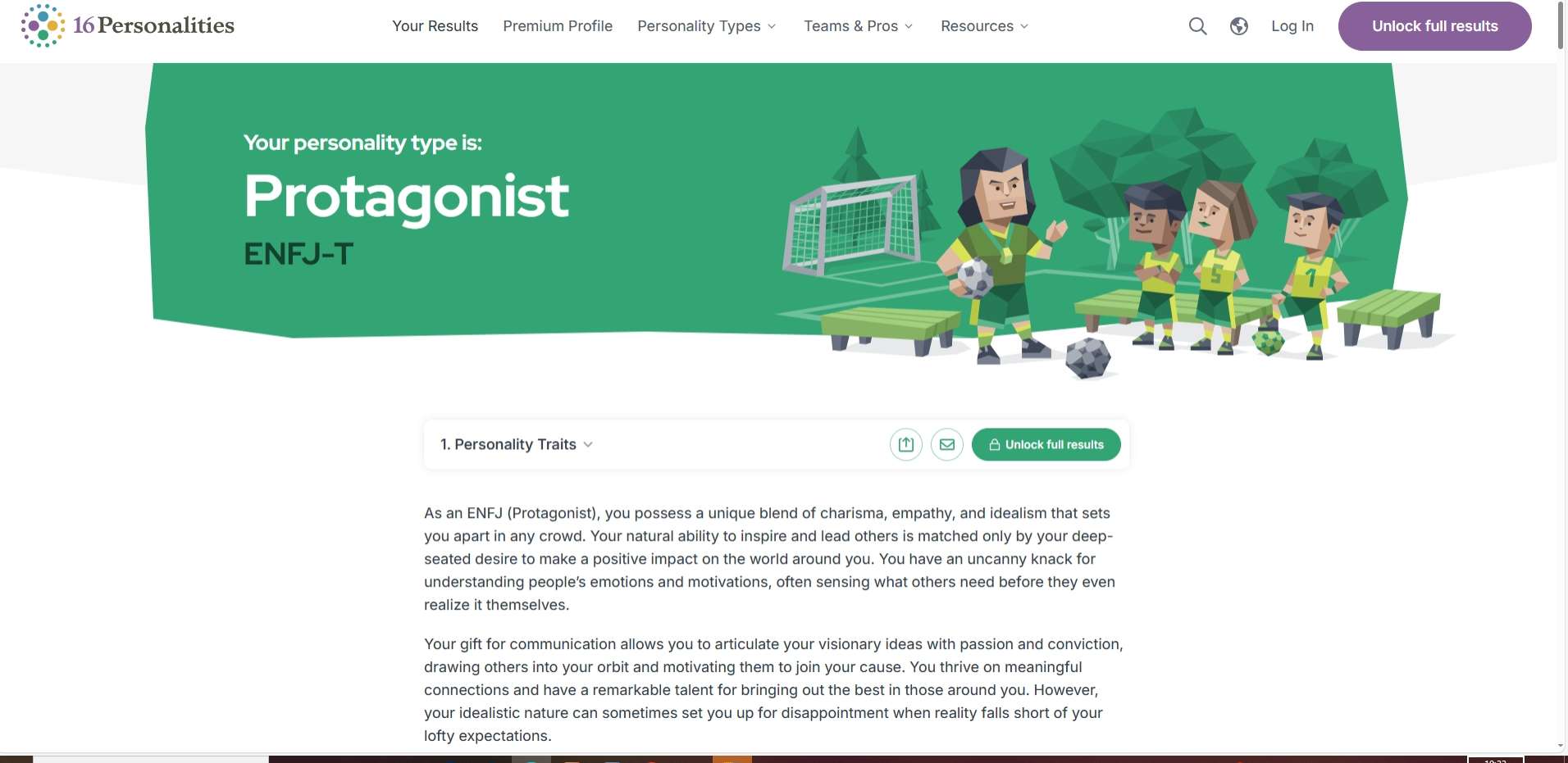
Figure 1: Personality Assessment
(Source: 16personalities, 2025)
1.2 Personality Type
An evaluation of the 16Personalities web-site discovered my personality type as the ENFJ-T, or the Protagonist. This type means having a preference of Extraversion (E), Intuition (N), Feeling (F) and Judging (J), and the identity being labeled as Turbulent (T) (Myers & Briggs Foundation, 2025). A protagonist is generally referred to as an empathetic and charismatic idealist, a natural leader with a desire to create a positive change.
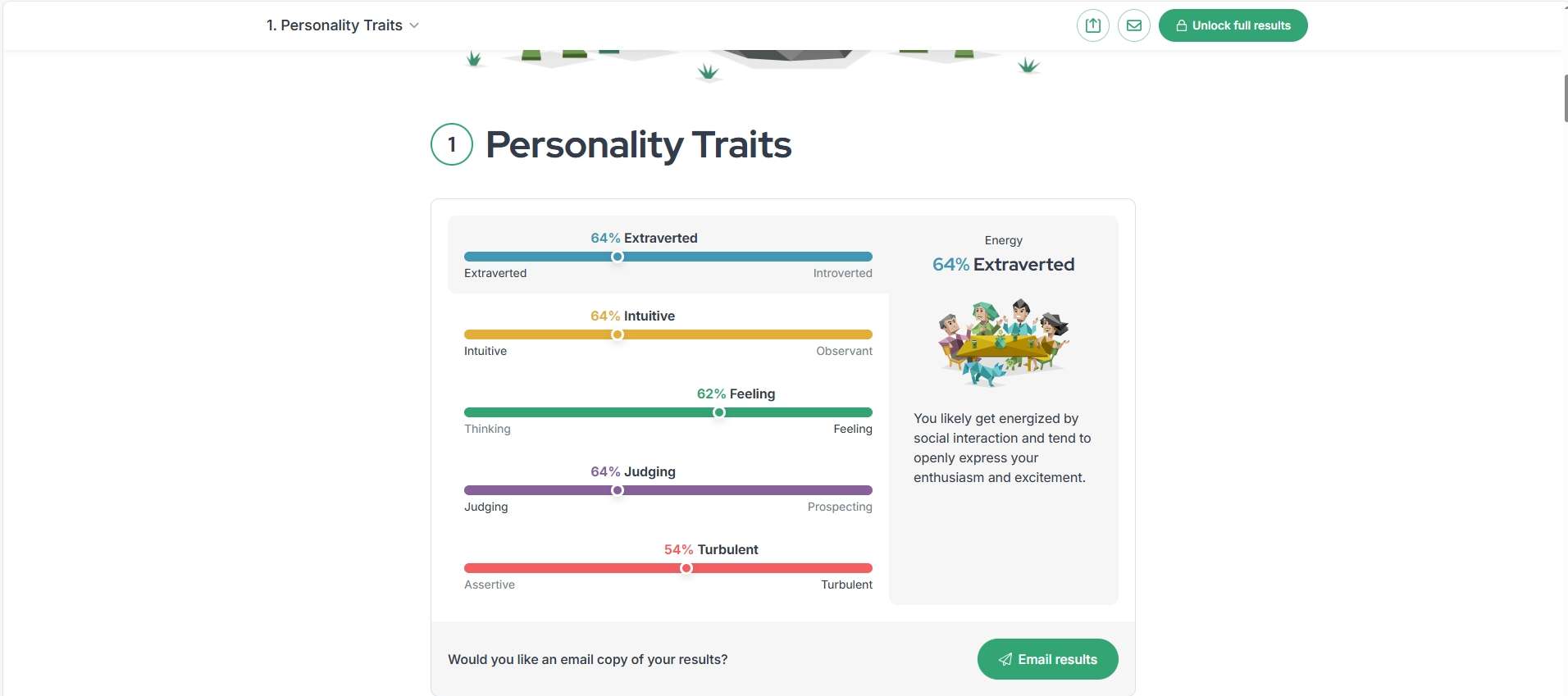
Figure 2: Identified Personality Traits
(Source: 16personalities, 2025)
1.3 Strengths Identified by the Assessment
The evaluation identified a number of strengths that are relevant in leadership. These are, Building Genuine Connections, Encouraging Team Spirit, Being Insightful in Problem-Solving, Effective Communication, Motivating Mentor, and Adaptable Initiative (16personalities, 2025). These characters indicate a person who is good at building positive relationships, encouraging team members to work, and carefully solving difficulties in a team.
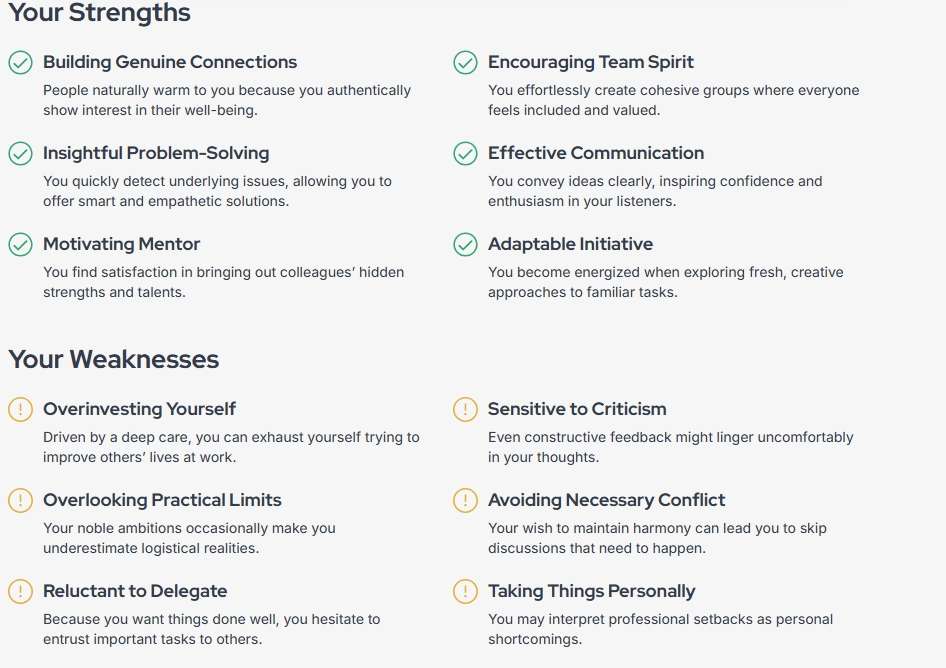
Figure 3: Identified Strengths and Weaknesses
(Source: 16personalities, 2025)
1.4 Weaknesses Identified by the Assessment
The evaluation on the other hand also came up with the possible weaknesses. They include over-investing yourself, being sensitive to criticism, overlooking practical limits, avoiding the needed conflict, being reluctant to delegate, and taking things personal (16personalities, 2025). These domains raise concerns in personal limits, receiving feedback, dealing with practicalities, tackling confrontation head on, and task allocation.
Part 2: Reflection on Conducting the Myers-Briggs Assessment
2.1 Usefulness of Personality Assessments for Self-Understanding as a Leader
The Myers-Briggs assessment was valuable in the understanding of oneself, especially with regard to my potential as a leader. This self-awareness is important to a leader. Knowing how inherently extraverted or introverted, how intuitively or observantly responsive, how demonstrably driven by feeling or by thought crystallizes in one, may assist in leadership and style and method (DDI World, 2025). It assists leaders who learn about their default settings, how they may respond in particular circumstances and ahead of time adjust handling their behaviour to better fit team requirements or organizational objectives. It is not prescriptive, but is a strong point of departure in reflective practice and such a notion that good leadership starts with self-knowledge.
2.2 Personal Insights Gained from the ENFJ-T Profile
When I obtained my ENFJ-T Protagonist profile type, I was able to identify with it because it made so much sense to me. The explanation of charisma, empathy, and idealism corresponds with my natural tendency to find interpersonal contact and contribute to the positive transformation of people. The focus on how people can be understood in terms of their feelings and wants, and the ability to recognize their requirements, seemed quite inspiring. My tendency to be attracted to roles that would allow mentorship and the best qualities in others is a feature of the Protagonist type very much with me (16personalities, 2025). The Turbulent element of my personality, which means I am sensitive and given to self-doubt, also gave a measure of reality and accounts to my inner struggles, even though the outside world portrays me as a confident person. Such subtle expressions brought much more reality into the assessment, which felt less generic.
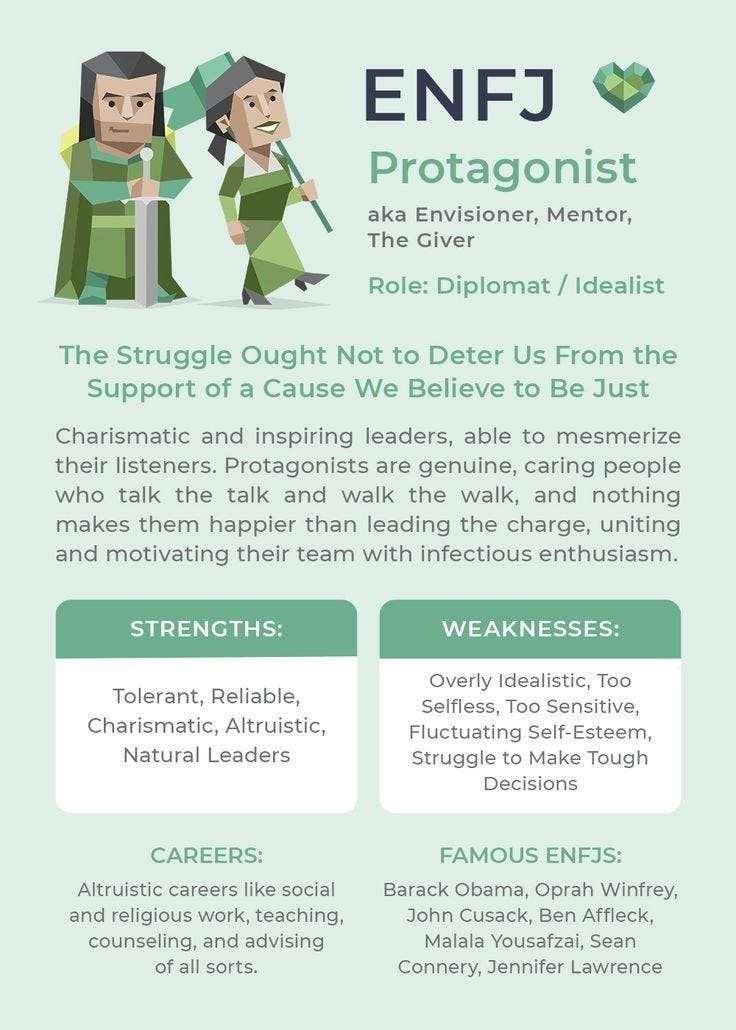
Figure 4: ENFJ Profile Details
(Source: Guide, 2024)
2.3 How Strengths relate to leadership
The strengths that I have found out also have a direct impact on my leadership capacity and mostly in a team setting. The importance of trust and quality directions in the time of changes, which is crucial as a practice manager, are rooted in such pillars as “Effective Communication” and “Building Genuine Connections” (Comcare, 2024). Additional skills like being able to “Encourage Team Spirit” and being a “Motivating Mentor” imply that I can create an effective, team-based environment that can help to overcome challenges and enforce morale. Insightful Problem-solving will enable me to not just solve the problems, but also to develop a keen eye on what lies behind them, and provide more emotional and sustainable answers.
Get assistance from our PROFESSIONAL ASSIGNMENT WRITERS to receive 100% assured AI-free and high-quality documents on time, ensuring an A+ grade in all subjects.
2.4 How Weaknesses might impact leadership
There are certain threats my leadership capabilities face due to my weaknesses. The Over-Investment in Self and Taking Things Personally may result in the feeling of burnout or emotional deprivation that deteriorates judgment and longer-term struggle especially when facing stressful transitions (Wisse and Sleebos, 2016). The inability to delegate and failure to account to practical boundaries may lead to micromanagement, overworking myself, and even kill team independence and empowerment. This is most serious, as the fact that “Avoiding Necessary Conflict” might block important discussions and would not rest interpersonal problems in time and permit them to incubate, which is all the more bad in times of decisive action and candid conversation.
2.5 Limitations and Challenges
Although this is insightful, the use of personality assessments is limited in itself. They are self-reports and are susceptible to present mood effects or self-perception bias. They merely give a basis of preferences rather than a binding gauge of skill or ability. A personality type implies the preferred style of working, not whether one works effectively in a particular position (Taylor and Devine, 2020). Personality is an element of a leader, however, it needs to be supported by practice, professional growth, and feedback from others to have a complete perception of his or her profile in the leadership capacity.
Part 3: Using Change Management Theory to Support a Staff Team Through a Change Process
3.1 Introduction to the Scenario
As a practice manager, my role is versatile, with a wide variety of duties on it including operational efficiency to staff management, serving itself as a significant connection point between clinicians, administration staff, and strategic goals (NHS Health Careers, 2025). To consider a situation when our healthcare practice is experiencing a serious change associated with a transition to a new system of electronic patient records. The new national legislations that are pushing this change seek to make data collection more standardized and notable for patient care incorporation (Huang et al., 2020). This shift implies a long process of training staff, adjusting to the new work processes, and possible initial declines in productivity which present a challenge to the morale and productivity of staff. As a leader, my key focus would be to ensure a smooth transition to the new system and to reduce the impact and ensure staff buy-in and expertise in the new system. Change management models will be applied to the proposed change scenario( Lewin’s change Model and Kotter’s change model ) after the practical application of the scenario one approach will be chosen based on how effective the model will be.
3.2 Analysis of Lewin's Theory of Change
The three-step change model involving Unfreeze, Change, refreeze suggested by Kurt Lewin and provides a basic structure of handling this transition (Malik, 2022).
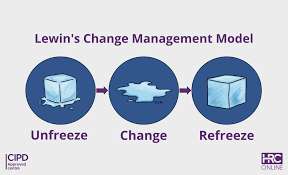
Figure 5: Lewin’s Change Management Model
(Source: Wilde, 2023)
Unfreeze: During this phase, the current status is disturbed by informing the need of change. In the EPR case, this would entail clarification of the legislative directive, the patient care and data accuracy advantages and the risks of the lack of adaptation (Malik, 2022). My strengths of "Effective Communication" and "Building Genuine Connections" as an ENFJ-T would allow getting past the initial resistance and dealing with the concerns of staff with empathy and an understanding of the reasons behind the change on a personal level. The difficulty would be in case the staff would be very reluctant, then it will be difficult to avoid unnecessary conflict and I would have to mix it up without waiting.
Change: It is the process of implementing the new system and offer support needed. In the case of the EPR, this involves providing a rigorous training, providing practical assistance, and making open feedback a possibility (Malik, 2022). My top strengths, the Motivating Mentor and the Encouraging Team Spirit, would play a key role in leading the staff through the process of skill development and keeping morale high when they are in their learning curve. The weaknesses, which might impair the process of training or support duties delegation or relaxes me, the problem is identified as a possible weakness of the Reluctant to Delegate.
Refreeze: The last phase formalized the new working process. It entails setting up of new policies, commemoration of victories, and institutionalizing the EPR system in practice. This will make it sustainable and there will be no relapse to old ways (Malik, 2022). My initiative of Adaptability might improve new working processes, and Insightful Problem-Solving might fix the remaining problems, cementing a new state of affairs.
3.3 Analysis of Kotter's 8-Step Model of Change
John Kotter’s has given an 8 step model of leading change that is more detailed and sequential (Olmstead, 2019).
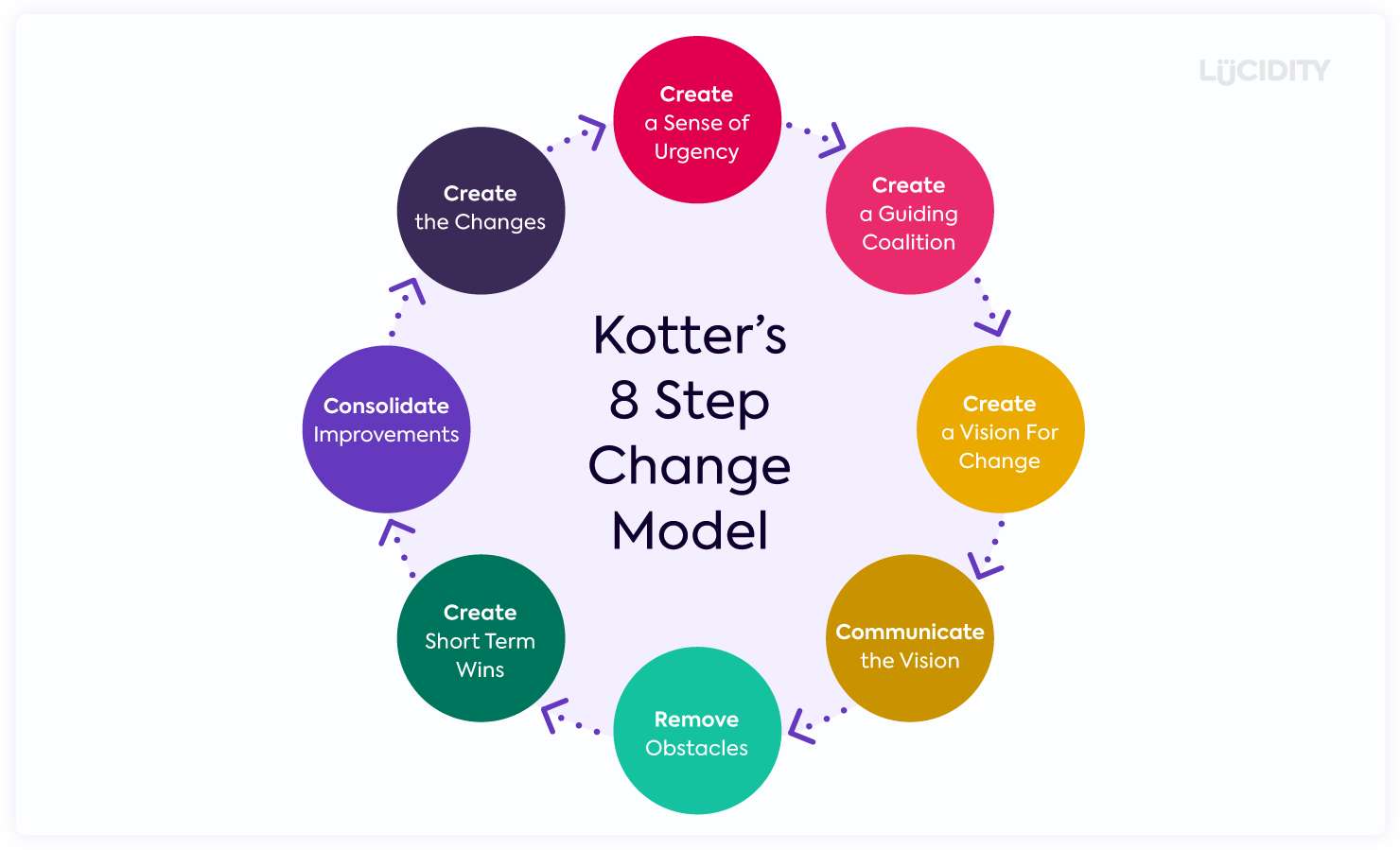
Figure 6: Kotter's 8-Step Model
(Source: Lucidity, 2023)
Develop Urgency: Just like the unfreeze by Lewin’s the urgency must be created in the legislative need, and long-term value of the EPR.
Build a Powerful Coalition: The union of influential opinion leaders and departmental heads who would be the key advocates of the change. My chain of influence to build a coalition would be my Encouraging Team Spirit.
Establish a Vision: The ability to develop a clear, powerful vision of the practice with the new EPR system. My communication abilities that are ENFJ-T would be effective here.
Communicate the Vision: Sharing the vision through communication many times and through diverse speakers.
Remove Barriers: To be able to recognize and eliminate the barriers, which could be the lack of appropriate training facilities or the reluctant individuals. My Insightful Problem-Solving would play a crucial role, and Avoiding Necessary Conflict might also become an obstacle since challenging conversations sometimes have to happen.
Establish Short-Term Wins: It is important to celebrate the initial successes on the EPR, such as data migration or some positive feedback at the initial stage to keep the momentum.
Build the Change: It is important to continue building and perfecting the utilization of the new system.
Lock the Changes in Corporate Culture: Incorporating the EPR use into the task and performance review, as well as into the standard operating procedure.
3.4 Comparative Evaluation of Lewin's and Kotter's Theories
Both the theory of Lewin’s and Kotter’s provide a great benefit to any leader who will be running the EPR transition. The model is easy to understand as it is a broad conceptualization formulated by Lewin’s and helps understand the general stages of psychological accommodation of change (Coach Hub, 2022). It is strong because of its intuitive quality between preparing, implementing and cementing change. Nevertheless, its simplicity also may pose to be a problem, where little practical advice is given on what one can do in order to reach each stage.
Kotter’s on the other hand is far more prescriptive and step by step, and this too is a major pro to allow practice in such a multifaceted situation as an EPR rollout. It lays stress on the aspects that are usually neglected like the establishment of urgency and making a guiding coalition yet these two factors are very essential in achieving success in a healthcare facility that involves a variety of professional faculties. The big problem with the Kotter’s model is that it tends to be linear; the process of change in reality tends to be iterative and non-linear and slavishly eight-step process may not be as flexible as desirable (Coach Hub, 2022). In the case of the EPR system, Kotter’s can suggest more useful steps to be adopted in reality, whereas Lewin’s takes into account the psychological comprehension of the change process. Cumulatively, they make a powerful theoretical foundation to lead the change successfully. Based on the circumstance and time constrains Lewin’s would be more appropriate given the flexibility and interpersonal connection between team members.
Part 4: Evaluation of Leadership Theories
4.1 Introduction to Leadership Theories in the Context of Change
Working in teams through a major transformation, as will be the case when implementing a new Electronic Patient Record system, requires a subtle consideration and implementation of different leadership theories. The good leaders do not stick to one style but seek a variety of styles to reconcile with the organizational transformation complexities and to overcome the resistance and to motivate adaptation (Cherry, 2023). In this part, four relevant theories in leadership have been analyzed in terms of their advantages and limitations and how the theories would be put into effective practices to adequately manage the EPR transition.
4.2 Evaluation of Selected Leadership Theories
4.2.1 Servant Leadership
Servant leadership is concerned with cultivating followers and their health, where a leader plays the role of a servant. This consists of listening, empathy, healing, and community building (Kakri, 2025).
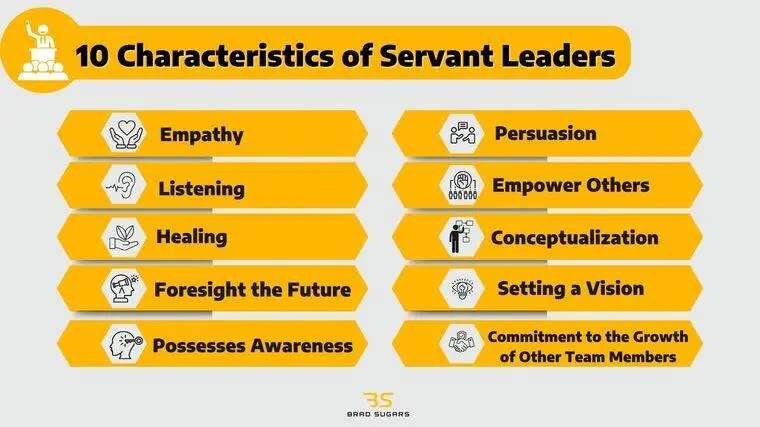
Figure 7: 10 principals of servant leadership
(Source: Kakri, 2025)
In the EPR implementation, it creates trust and lowers fear through servant leadership by concentrating on the needs and concerns of the staff. The strengths of my ENFJ-T- Building Genuine Connections and Motivating Mentor are closely connected, which creates a helpful climate.
It is time consuming and emotionally exhausting. My Reluctant to Delegate may result in my attempts to serve too much on my own.
I would also have a discussion with the staff, whose concerns regarding the EPR are also based on anxiety, offer them training material, and guarantee that their well-being is taken into account as the transition progresses.
4.2.2 Authentic Leadership
Authentic leadership focuses on open-mindedness, ethical behavior as well as honest self-knowledge. Being natural leaders, they behave in accordance with who they are and thus earn the trust and credibility (Josh, 2025).
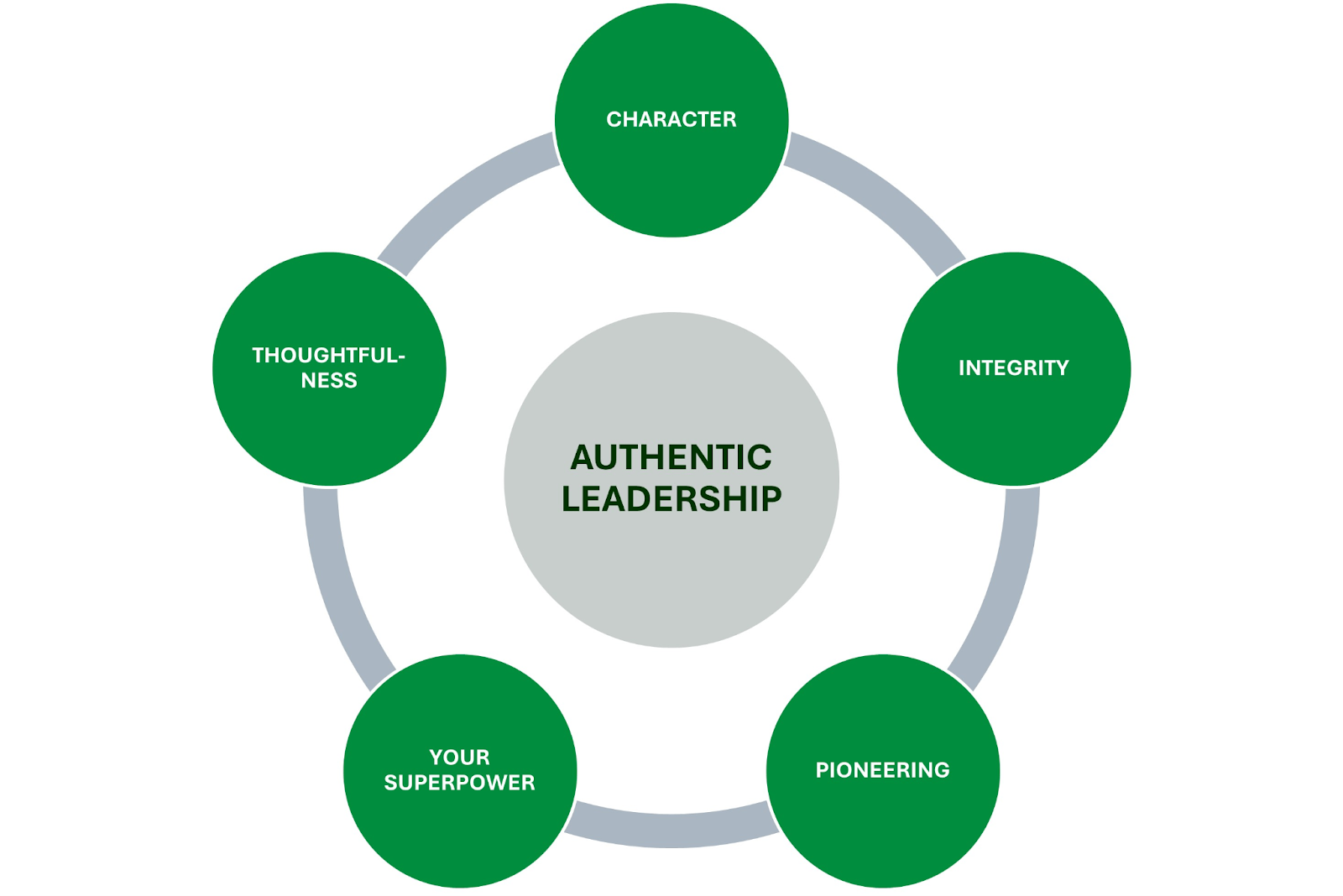
Figure 8: Components of Authentic Leadership
(Source: Josh, 2025)
Authentication leads to an improved sense of trust and minimized cynicism in the situation of change. The participation and willingness of my ENFJ-T to develop intimate relations and do successful communication would provide the required transparency regarding the EPR issues and advantages.
The requirements of my weaknesses of being Sensitive to Criticism and Taking Things Personally may complicate standing in the real vulnerability before negative feedback (Harvard Business School, 2019). The Transparency may be affected by the phrase “Avoiding Necessary Conflict”.
I would be open to share the justification and issues of the EPR transition, accept the difficulties, and ensure the same values during the process to form staff confidence.
4.2.3 Transformational Leadership
Bass and Avolio proposed transformative leadership, which is concerned with driving the followers towards extraordinary performance and building their leadership ability (Stentz et al., 2012). It consists of four major elements which are idealized influence, inspirational motivation, intellectual stimulation, and individualization consideration.
Transformational leadership plays a great role in the EPR implementation. Inspirational motivation and individualized consideration of my ENFJ-T strengths of effective communication and motivating mentor are fully consistent. I can catalyze the change by explaining a powerful manifesto of how the new EPR will result in better patient care and efficiency (Michigan State University, 2022). Supporting the staff to be creative in terms of thinking of new workflows may lead to ownership and minimize resistance.
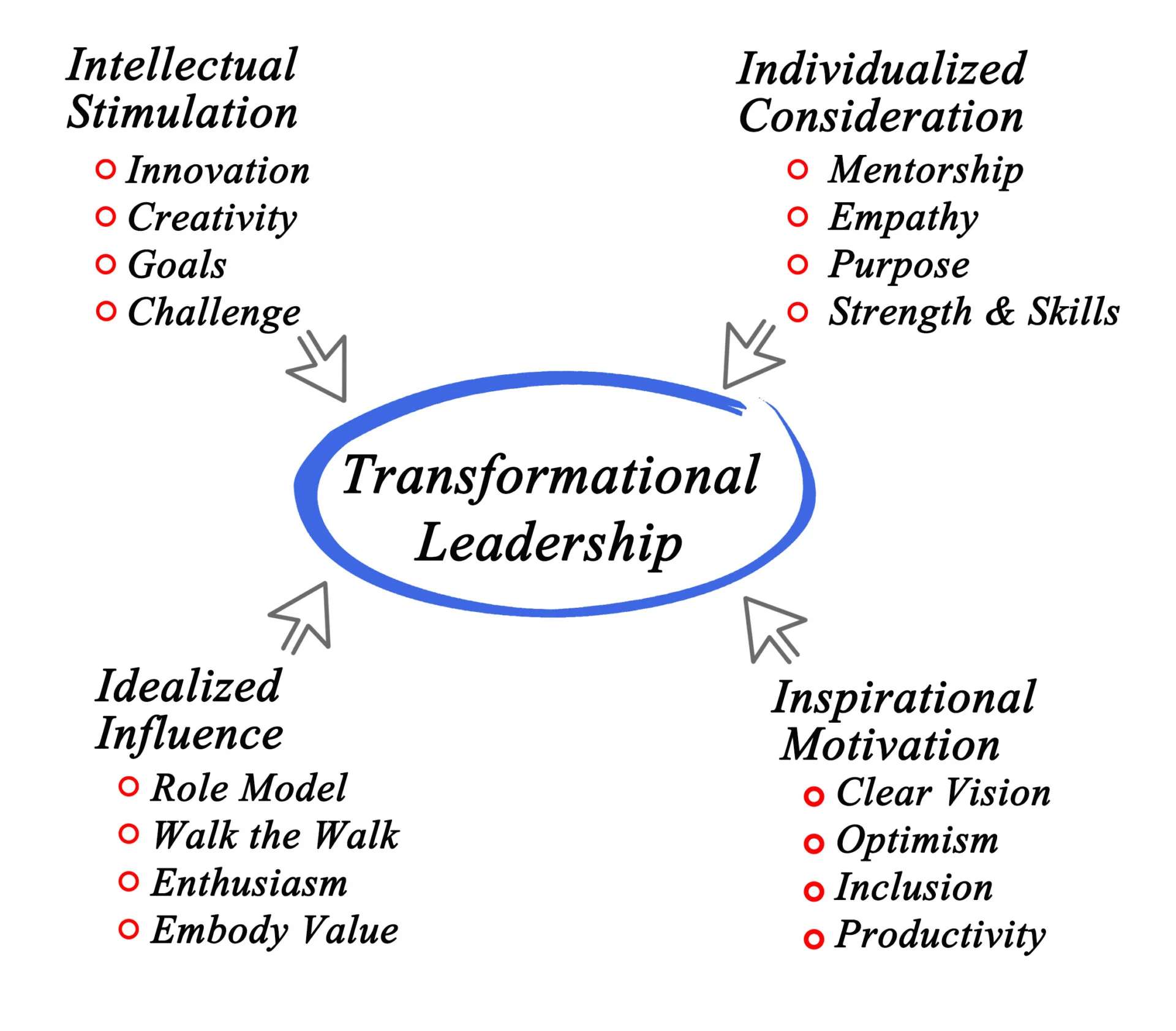
Figure 9: Transformational Leadership Framework
(Source: Ugochukwu, 2025)
The possible difficulty is that this style may be emotionally exhausting and may result in one of my weaknesses known as the Overinvesting Myself. It only takes considerable effort and time to individual coach which may not be easy in a busy practicing environment.
I could employ transformational leadership because I would ensure that I communicate the why to the EPR change consistently and that I clearly depict the future benefits. I would be proactive in bringing the staffs’ opinion on how to improve the system to a degree of co-creation. The understanding of the personal problem, group members and having the ability to individually support them would be accommodated by the empathetic nature.
4.2.4 Situational Leadership
The theory of situational leadership by Hersey and Blanchard proposes that, ineffective leadership styles are based on the ability to adapt an individual style based on the preparedness stage of a subject or group of people under the leader (Kenton, 2024). It entails different levels of dictatorial and accommodative behavior that is dependent on the competence and commitment of the followers.
The main strength of this theory in terms of change is its flexibility. During the EPR rollout, employees will differ in the level of technology competence in addition to their emotional preparedness. There should be some who require a highly guiding instruction and there can be those who only require a supportive coaching (Kenton, 2024). My Insightful Problem-Solving and my Building Genuine Connections would help to determine correctly the individual readiness.
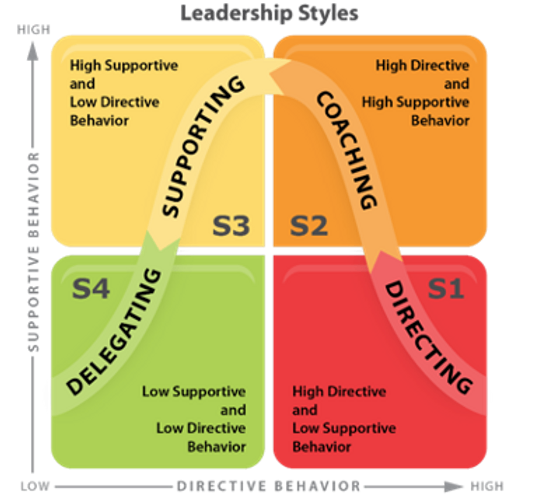
Figure 10: Situational Leadership
(Source: Brabrand, 2020)
This process of diagnosis and adaptation is sometimes very laborious and requires some level of constant needs. My Reluctance to Delegate may hamper that as I fail to allocate ownership to highly competent members of staff, although avoiding any necessary conflict may make it hard to provide direct and corrective feedback when required.
I would use this by evaluating the individual members of the team in the comfort and proficiency they should have in the new EPR system. I would be more directive and give clear step by step instructions in case of a student who struggles. I would be more accommodative to the proficient users, I would urge them to find efficiencies and to share knowledge, and provide increased autonomy.
4.3 Integration of the Theories
The combination of the theories gives a comprehensive management of the EPR change. The desire to gain buy-in on the first hand is built on the inherent trust and credibility applied through servant leadership and authentic leadership. Transformational leadership then elaborates on this through having a profound vision and motivating a group to act (Larsson, and Eid, 2012). Lastly, situational leadership also solves the problem of offering practical and personalized assistance to all by matching the requirements of each individual at the individual level, and hence offering individualized training to deal with the challenge; there are no losers, and man is willing to work, and hence offers effective and humane change management.
Part 5: Reflection on Self as a Leader
5.1 Introduction to Gibbs' Reflective Cycle
The Gibbs Reflective Cycle is a step by step guide to the learning of experience that walks the learner through descriptions, Feelings, Evaluation, Analysis, Conclusion, and Action Plan (McLeod, 2025). This cycle shall be applied to reflect on what I have learnt about myself as a leader, during this assessment, especially with reference to leading a team through a change process.
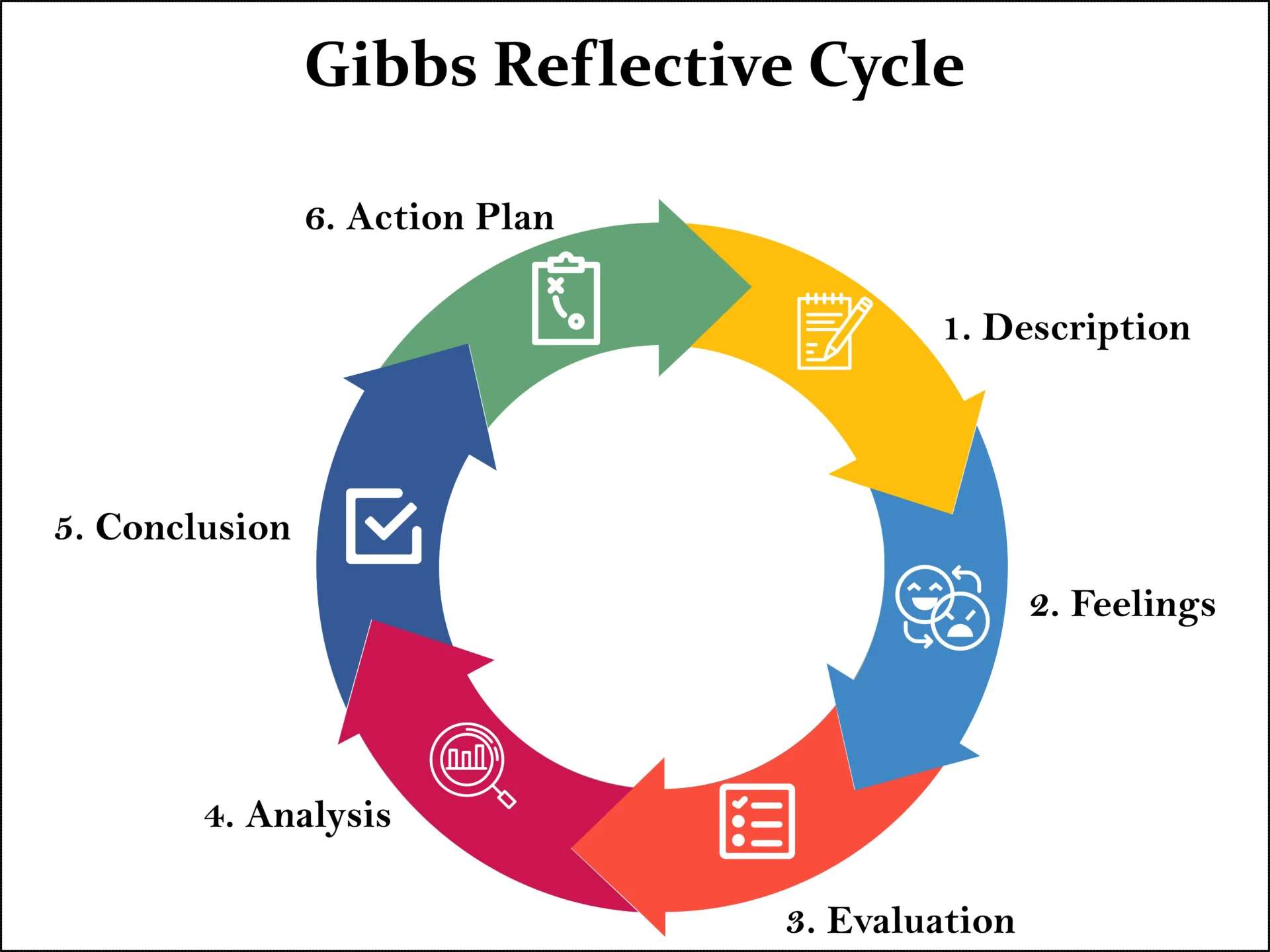
Figure 11: Gibbs' Reflective Cycle
(Source: McLeod, 2025)
5.2 Description
This evaluation had included a Myers-Briggs personality test, a study of change management theories and an analysis of the leadership theories. The general assignment involved the reflection of my ability as a leader in a hypothetical shift of Electronic Patient Record system into a healthcare practice (McLeod, 2025). It involved combining professional perception and theory in coming up with a coherent call about change leadership.
5.3 Feelings
At the beginning of the process, I was both thrilled and scared. The Myers-Briggs outcome was confirmative especially the strengths which made me more confident. The discussion of the weaknesses addressed, including the ones such as the unwillingness to delegate and the need to avoid a conflict that must be created, however, caused some amount of unease and the feeling of exposure (McLeod, 2025). Studying the change management and leadership theories I was inspired by the ease with which I could apply the provided frameworks to real life but also aware of the great responsibility and all the challenges that could be met on this path, especially considering my weaknesses that I have identified.
5.4 Evaluation
This was an excellently positive experience. The Myers-Briggs test gave me very practical terms or language to describe myself and I realized that it was very close to my intuitive sense of understanding my natural tendencies to lead others. The deterministic nature of the models by Lewin’s and Kotter’s is what made the process of change seem simple (McLeod, 2025). The assessment of theory of leadership also gave practical tactics on how I could use my strengths and turn around my weaknesses. The bad thing was that it was unpleasant to admit that I had some weaknesses but it also resulted into better understandings.
5.5 Analysis
I am an ENFJ-T (Extravert, Intuitive, Feeling, and Judging) which correlates with transformational leadership and being empathetic and possessing a vision. The strength that I would have in the aspect of Effective Communication would be extremely important in both stages of the Lewin’s model of change, which is the stage of Unfreezing and in the aspect of Kotter’s model of change, which is Creating and Communicating the Vision (McLeod, 2025). Nevertheless, my "Reluctant to Delegate" tendency runs counter to the empowerment component of transformational and situational leadership directly, and to team building and to the weight of self-loading. On the same note, the skill, as outlined in the case, of avoiding necessary conflict would largely fail to support confrontation or fight any resistance to change or poor performance in the change process, which Lewin’s and Kotter’s both implicitly require. The Turbulent identity implies that I may internalize losses that may affect resiliency, which is very critical in leadership, especially in change.
5.6 Conclusion
This reflection has taught me that my leadership strengths, especially in inspiring and connecting with people are very valuable resources in executing leadership through change. My pinpointed weaknesses are, however, major areas that I need to improve on. In order to lead the EPR implementation, I will have to be willing to delegate and ignore conflicts consciously, as these two traits directly affect my capacity to empower my staff and resolve important problems (McLeod, 2025). I should also learn to be resilient not to get things personal to be productive. My strengths in terms of leading and managing a team through change are included in vision-setting and team motivation, whereas the weak areas are delegation, conflict resolution, and self-preservation, which should be addressed consciously.
5.7 Action Plan
In order to improve my future leadership practice, especially in the management of change, I will undertake the active exercise of delegation as a means of empowering my team members and sharing the workload. I will as well devise flawless ways of going into practical conflict when there is need to do so, and therefore issues can be resolved within the shortest time (McLeod, 2025). Also, I will be more explicit in terminating self-care not to overinvest and receive me with more objectivity, consolidating my leadership capacity as a resilient leader.
Reference List
- 16personalities, (2025). Free personality test, type descriptions, relationship and career advice. Available at: https://www.16personalities.com/ [Accessed on: 8.07.25]
- Brabrand, H., (2020). LEADING OTHERS: Situational Leadership. Albright. Available at: https://www.albright.dk/post/leading-others-situational-leadership [Accessed 8 Jul. 2025]
- Cherry, K., (2024). The Major Leadership Theories. 5(1), pp.3–5. Available at: https://www.verywellmind.com/leadership-theories-2795323 [Accessed on: 8.07.25]
- Coach Hub, (2022). A Comparison of Change Management Models: Lewin vs. Kotter. [online] Available at: https://www.coachhub.com/blog/a-comparison-of-change-management-models-lewin-vs-kotter [Accessed on: 8.07.25]
- Comcare, (2024). Building trust in your team. Comcare. Available at: https://www.comcare.gov.au/safe-healthy-work/healthy-workplace/good-work-design/building-trust-in-your-team [Accessed on: 8.07.25]
- DDI World, (2025). How to Use Personality Tests for Leaders. [online] Available at: https://www.ddiworld.com/guide/leadership-assessment-ultimate-guide/personality-tests-for-leaders [Accessed on: 8.07.25]
- Guide, T.L., (2024). Decoding the ‘Protagonist’: Unveiling My ENFJ Personality. Medium. Available at: https://medium.com/@thelitguide/decoding-the-protagonist-unveiling-my-enfj-personality-1fa22d9262b3 [Accessed 8 Jul. 2025]
- Harvard Business School, (2019). Authentic Leadership: What It Is & Why It’s Important. Available at: https://online.hbs.edu/blog/post/authentic-leadership [Accessed on: 12.07.25]
- Huang, C., Koppel, R., McGreevey, J. D., 3rd, Craven, C. K., and Schreiber, R., (2020). Transitions from One Electronic Health Record to Another: Challenges, Pitfalls, and Recommendations. Applied clinical informatics, 11(5), 742–754. https://doi.org/10.1055/s-0040-1718535
- Josh, (2025). What is Authentic Leadership? Available at: https://www.3x5leadership.com/blog/authentic-leadership [Accessed on: 12.07.25]
- Kakri, S., (2025). Servant Leader. Available at: https://blog.nimblefoundation.org/servant-leader/ [Accessed on: 12.07.25]
- Kenton, W. (2024). The Situational Leadership Model: How It Works. [online] Investopedia. Available at: https://www.investopedia.com/terms/h/hersey-and-blanchard-model.asp [Accessed on: 8.07.25]
- Larsson, G. and Eid, J., (2012). An idea paper on leadership theory integration. Management Research Review, 35(3/4), pp.177–191. doi: https://doi.org/10.1108/01409171211210109
- Lucidity, (2023). How to Successfully Implement Kotter’s 8 Step Change Model | Lucidity. [online] Available at: https://getlucidity.com/strategy-resources/guide-to-kotters-8-step-change-model/ [Accessed 8 Jul. 2025]
- Malik, P., (2022). Lewin’s 3-Stage Model of Change Theory: Overview. The Whatfix Blog. Available at: https://whatfix.com/blog/lewins-change-model/ [Accessed on: 8.07.25]
- McLeod, S., (2025). Gibbs Reflective Cycle. Simply Psychology. Available at: https://www.simplypsychology.org/gibbs-reflective-cycle.html [Accessed on: 8.07.25]
- Michigan State University, (2022). What Are the Characteristics of a Transformational Leader? Available at: https://www.michiganstateuniversityonline.com/resources/leadership/characteristics-of-transformational-leadership/ [Accessed on: 8.07.25].
- Myers & Briggs Foundation, (2025). 16 MBTI Personality Types Descriptions. Available at: https://www.myersbriggs.org/my-mbti-personality-type/the-16-mbti-personality-types/ [Accessed on: 8.07.25]
- NHS Health Careers, (2025). Practice manager. Available at: https://www.healthcareers.nhs.uk/explore-roles/management/roles-management/practice-manager [Accessed on: 8.07.25]
- Nyström, M.E., Karltun, J., Keller, C. and Andersson Gäre, B., (2018), ‘Collaborative and partnership research for improvement of health and social services: researcher’s experiences from 20 projects’, Health Research Policy and Systems, 16(1), pp.1-17.
- Olmstead, L., (2019). Kotter’s 8-Step Change Model: Advantages & Disadvantages. The Whatfix Blog. Available at: https://whatfix.com/blog/kotters-8-step-change-model/ [Accessed on: 8.07.25]
- Stentz, J.E., Plano, V.L. and Matkin, G.S. (2012). Applying mixed methods to leadership research: A review of current practices. The Leadership Quarterly, [online] 23(6), pp.1173–1183. doi:https://doi.org/10.1016/j.leaqua.2012.10.001
- Taylor, B.J. and Devine, T. (2020) Assessing needs and planning care in social work, Abingdon: Routledge.
- Ugochukwu, C., (2025). Transformational Leadership Theory: Inspire & Motivate. Simply Psychology. Available at: https://www.simplypsychology.org/what-is-transformational-leadership.html [Accessed 8 Jul. 2025]
- Wilde, Z., (2023). Lewin’s Change Management Model. HRC Online. Available at: https://hrcoursesonline.com/lewins-change-management-model/ [Accessed 8 Jul. 2025]
- Wisse, B., and Sleebos, E. (2016). When Change Causes Stress: Effects of Self-construal and Change Consequences. Journal of business and psychology, 31, 249–264. https://doi.org/10.1007/s10869-015-9411-z
- Woods, R. A., and Hill, P. B. (2022). Myers-Briggs Type Indicator. In StatPearls. StatPearls Publishing. Available at: https://www.ncbi.nlm.nih.gov/books/NBK554596/ [Accessed on: 8.07.25]
Recently Downloaded Samples by Customers
Introduction - An Evaluative Review of Performance Management This evaluative review of performance management in CHS Group...View and Download
Chapter 1: Introduction A marketing mix is a kind of strategic framework which includes the major elements of marketing,...View and Download
BTEC Childcare in Education and Training: Introduction BTEC childcare educators play a vital role in nurturing the development,...View and Download
Introduction: Employment Law Assignment Labour law confers as those laws that maintain the relationships between workers,...View and Download
Introduction to Analysis of Supermarket Sales Patterns and Customer Behavior In this report, a year's dataset has been analyzed...View and Download
Assessment 002: E-portfolio 1.1: Introduction: Development of skills for professional and academic success The main focus of...View and Download