
Women in Management: The Role and Influence of Women in the Fashion Industry Assignment Sample
Read this fashion industry assignment sample to examine how women shape fashion design, marketing, consumer trends and the growth of the global fashion sector.

- Chapter 2: Literature Review
- 2.1 Introduction
- 2.2. Theoretical Framework
- 2.3. Barriers to Women's Advancement in Fashion Industry Management
- 2.4. Impact of Female Leadership on the Fashion Industry
- 2.5. Strategies for Promoting Gender Equality in Fashion Management
- 2.6. Literature gap
- 2.7. Summary
- Chapter 3: Methodology
- 3.1 Research Philosophy
- 3.2 Research Approach
- 3.3 Theoretical Framework
- 3.4 Research Design
- 3.5 Data Source
- 3.6 Sampling
- 3.7 Data Collection Methods
- 3.8 Data Analysis Method
- 3.9 Ethical Considerations
- 3.10 Limitations
- Chapter 4. Empirical Findings
- Chapter 5. Analysis of Findings
- 5.1 Overview
- 5.2 How Gender is Portrayed and Viewed in Society
- 5.3 Challenges to Progress
- 5.4 How Well Leaders Perform and Stereotypes About Gender
- 5.5 Innovation and its Lasting Significance
- 5.6 Guiding a team and bringing a unique approach
- 5.7 Support Systems Within Organisations
- 5.8 Suggested Actions for Gender Equality
- Chapter 6. Conclusion and Recommendations
- 6.1 Conclusion
- 6.2 Recommendations
- 6.3 The Value of the Research
- 7. Reflection
- Type Assignment
- Downloads540
- Pages23
- Words5763
Chapter 2: Literature Review
2.1 Introduction
This chapter reviews the existing literature on the representation and progression of women into the management roles of the fashion industry. The literature review sets the stage for understanding the key barriers to women achieving leadership posts, as well as the positive effects of female leadership on organisational success. The theoretical perspective that this chapter also examines includes theories on gender roles and social roles. This chapter discusses details of structural and cultural barriers confronted by women in fashion management and discusses strategies adopted by companies promoting gender equality.
Struggling with tight deadlines? Assignment Help For Students from Rapid Assignment Help UK delivers well-researched, expertly written papers on time, every time.
2.2. Theoretical Framework
This study assumes that societal expectations and entrenched gender norms will impinge on women’s career development, especially as regards their promotion to leadership positions in creative industries like fashion. Social Role Theory states that societal roles (gender) would determine behaviour and expectations of men and women regarding their career expectations and the generational cycle of limiting women's access to leadership (Anglin et al., 2022). Furthermore, men are seen as more assertive and decision-making, and women are more nurturing and collaborative, both of which are traits valued in leadership roles. While women dominate creative roles and face consumer roles in the fashion industry, senior positions such as organisational decision-making and control are held mainly by men (Middleton and Turnbull, 2021). Once these patterns are reinforced by gender stereotyping, leadership qualities tend to be associated with masculinity, which means leadership qualities are evaluated in a biased way that disadvantages women.
2.3. Barriers to Women's Advancement in Fashion Industry Management
Although the fashion industry is known for its progressive and trend setting nature, significant gender inequality is still prevalent in the system of executives (Vijeyarasa and Liu, 2021). Structural and cultural factors combine to keep women, who make up the majority of the workforce, from the senior management ranks.

 5 Years | PhD in Business Administration
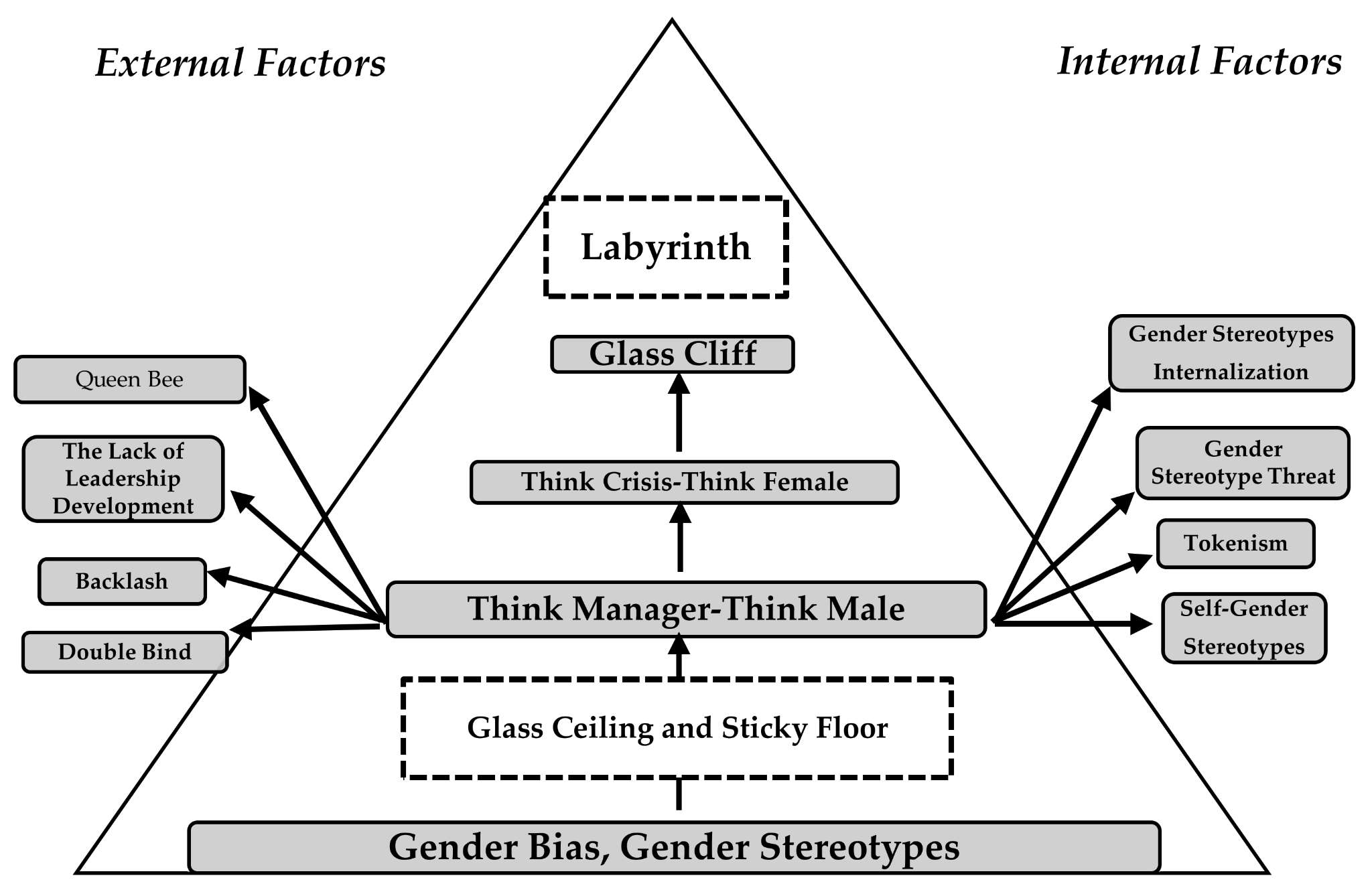
Figure 1: Challenges Women Experience in Organizations.
The 'glass ceiling' barrier for women moving further up the organisational ladder exists within the institutional constraints that prevent them from assimilating beyond a given level. While they possess the skills and competencies, systemic impediments to advancement in promotion practices and organisational culture hinder women from advancing (Shet, Del Giudice and Rammal, 2021). Structural barriers are no less potent than gender stereotypes that deeply anchor in and define women’s careers. Perceptions that women are less committed to leadership roles that require strong motivation can be attributed to the societal expectation that women should prioritise family responsibilities over career advancement (Barkhuizen, Masakane and Van der Sluis, 2022). These stereotypes are also further reproduced in the fashion industry, where creative and supportive roles tend to be regarded as being inherently more suitable for women and strategic leadership roles as being inherently and traditionally masculine.
Women’s advancement opportunities are greatly affected by work-life balance pressures (Chauhan, 2023). The fashion industry is notorious for demanding schedules, long working hours, and frequent travel, which can pose a challenge for women, especially those with caregiving responsibilities, in obtaining leadership positions. In addition, these challenges are further exacerbated by the lack of organisational flexibility and many companies lack sufficient support structures for flexible working arrangements or parental leave policies that cater to women with dual roles (at work and home) (Hamouche, 2021). Moreover, mentorship and sponsorship opportunities that are scarce to women further restrict their advancement. To prepare for leadership, however, access to influential professional networks and mentors is crucial, and women are often excluded from these networks, which men frequently dominate. As a consequence, people are excluded from accessing the information, resources, and advocacy necessary to progress through the pathway to high executive positions.
2.4. Impact of Female Leadership on the Fashion Industry
In an industry that generally benefits men, the presence of women in leadership positions opens up vast opportunities, leading to a transformation in the industry (Smith and Sinkford, 2022). Leadership by women bring different angles to decision-making processes and the innovation of groups of people. Leadership in the fashion sector, being culturally sensitive and dynamic, is properly responsive to its diverse consumer base (Luo, 2025). Individuals, whether female or not, who assume leadership roles typically develop a better understanding of various marketplace deficiencies and thus facilitate brands in matching with emerging customer wants and needs more precisely. This consistent research shows that gender-diverse leadership outperforms homogeneous leadership, with greater adaptability, creativity, and better financial performance. Nevertheless, female executives are often very intelligent when it comes to displaying emotional intelligence, a quality that enables positive work collaboration and cohesion among teams (Ran et al., 2021). Hence, their leadership styles are more inclusive, communicative, and relationship builders in the long term, which can significantly help to sustain brand loyalty amongst the highly competitive fashion market.
Beyond the business outcomes, female leaders serve as role models for the next generation of women to aspire to leadership roles (Paule and Yelin, 2021). They intervene to do that; they challenge traditional gender norms and gradually move a culture to become more inclusive and equitable. Females in the helm can take these values out to the customers in the fashion industry, where the cultural trends affect the brand image to a great extent since its values are shown to be very diversified, affirmative, and connected to social responsibility. Furthermore, female leaders tend to espouse a more progressive corporate culture, like flexible working and mentoring programs for all women (Barkhuizen, Masakane and Van der Sluis, 2022). While female leadership has had a positive effect, women in a leading role tend to be subject to higher scrutiny and higher performance levels compared to their male counterparts. However, their contributions to innovation, organisational health, and cultural transformation highlight the significance of advancing women to top leadership positions in the fashion industry.
2.5. Strategies for Promoting Gender Equality in Fashion Management
To tackle the issue of gender inequality in fashion, managers need to devise deliberate and sustained strategies which break with the structural reins and the cultural codes. An effective strategy would be to implement comprehensive diversity and inclusion programs (Jonsen et al., 2021). This has led to the creation of formal mechanisms that enable the monitoring of gender representation, the imposition of leadership diversity targets, and a shift towards an inclusive workplace culture. The purposeful diversity policies of leading fashion houses have been shown to boost female leadership representation and performance. However, although diversity initiatives are essential, without robust support systems, women cannot navigate the multiple paths to leadership. Creating strategic mentorship and participation sponsorship programs for women is critical to career support, access to influential networks and strategic walks for professional advancement.
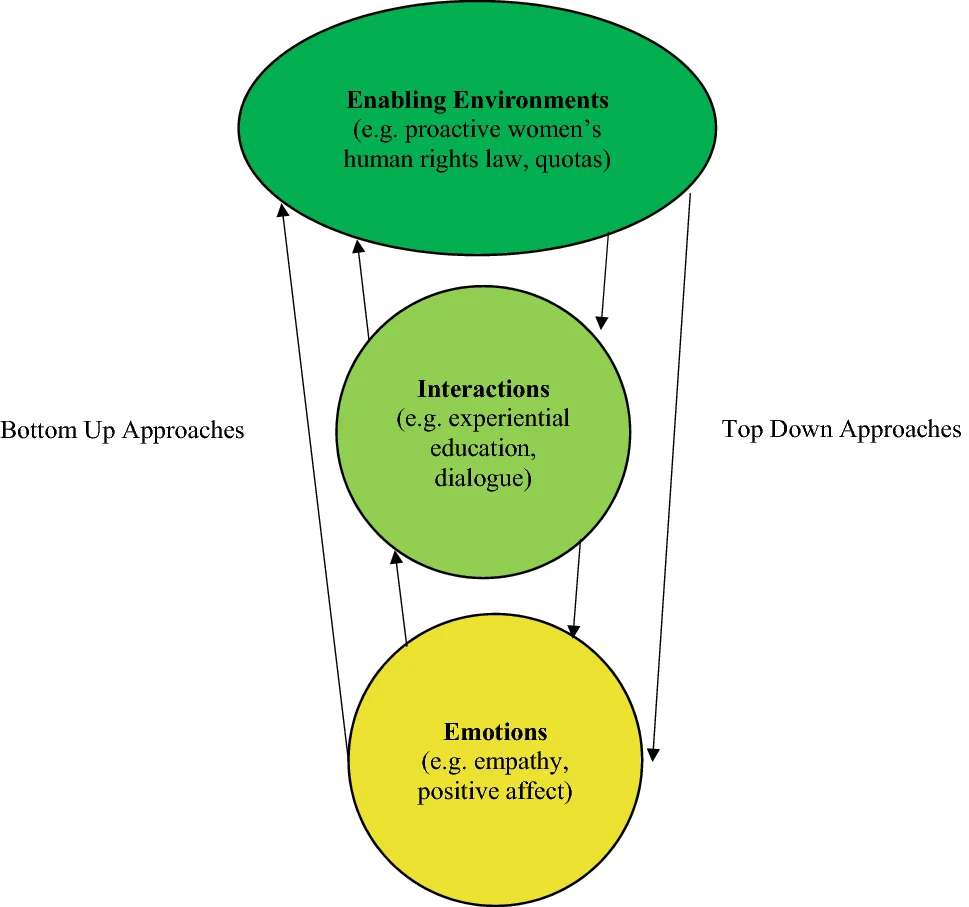
Figure 2: Gender inequalities in the workplace
Another key strategy that can support gender equality in the workplace is workplace flexibility (Kossek and Kelliher, 2022). Since the fashion industry has its own demanding nature, as offering flexible work arrangements such as remote work or working with a flexible schedule can really help to solve the problems of work-life balance that disproportionately affect women, this supports women to participate in leadership as they are flexible enough to have the opportunity to engage themselves without sacrificing family or personal commitments, thereby growing the pool of talented female candidates for senior roles (Kooli, 2022). There are also leadership development programs targeted at women, providing them with specialised training, leadership coaching, and skill development. They help women build confidence and competencies to be able to compete for and win at executive positions.
Policies alone cannot be sufficient in recognising gender equality in the organisation, since it is necessary that it is carried out in practice, such as through transparent promotion processes and bias training for hiring and evaluation committees. Fashion companies must make systemic bias efforts active and require performance evaluations and leadership selection criteria to be equitable and gender neutral (Agustinus Tarigan et al., 2025). Furthermore, the development of a corporate culture based on a genuine appreciation of a diverse range of leadership styles does not force women to lead in a manner that resembles a traditional masculine leadership norm. The promotion of gender equality in fashion management is, therefore, not just about fairness, but a strategic imperative that brings value to organisational innovation, resilience and links to a global, diverse consumer base.
Get assistance from our PROFESSIONAL ASSIGNMENT WRITERS to receive 100% assured AI-free and high-quality documents on time, ensuring an A+ grade in all subjects.
2.6. Literature gap
Existing research provides valuable insights into the barriers women face in securing leadership positions in the fashion industry. However, some gaps warrant further investigation. Most of the literature is concerned with a great deal of Western context, particularly in the cases of companies based in Europe and North America. In doing so, it creates a significant gap in understanding how cultural, economic, and social circumstances in non-Western and emerging market economies affect girls’ chances of achieving (Jonsen et al., 2021). As the fashion industry is a global one, it requires a broader perspective that includes diverse regional dynamics, since the challenges of leadership and organisational cultures differ significantly across different countries (Luo, 2025). Additionally, although many articles discuss the glass ceiling and the existence of stereotypes of women in fashion management, the work in this area that contributes to a longitudinal study of how diversity initiatives positively affect women’s career progression in fashion management is limited.
2.7. Summary
This chapter reviews the existing body of knowledge on the role and influence of women in management within the fashion industry. This paper examined the theoretical frameworks of social role theory and gender stereotyping in order to understand systemic barriers that women face. Under the discussion, key challenges were discussed, including the glass ceiling, traditional gender roles, work-life balance struggle, lack of mentorship and bias in leadership evaluation. It also analysed how the presence of women in leadership roles benefits organisational performance, innovation, and culture in the fashion sector.
Chapter 3: Methodology
3.1 Research Philosophy
The approach of this research is positivist, which is compatible with collecting and analysing quantifiable data. With positivism, it is believed that living patterns can be understood by measuring them with proper instruments, especially when the aim is to identify universal behavioural patterns (Maksimović and Evtimov, 2023). This viewpoint encourages researchers to use surveys that list possible responses for exploring people’s opinions on women’s roles in the management of the fashion industry.
3.2 Research Approach
The research was conducted using a deductive approach. Therefore, the study applied existing knowledge about gender inequality, leadership, and organisational challenges (Fife and Gossner, 2024). These theoretical ideas are examined by collecting and studying data from a selected number of participants, thereby supporting the research with factual evidence.
3.3 Theoretical Framework
Learning for this study comes from Social Role Theory and Gender Stereotyping Theory, that make precise how society’s views on leadership fit with gender (Wolle, 2024). They were used to set up the survey questions in an appropriate manner and to analyse the outcomes.
3.4 Research Design
Quantitative and descriptive research methods are employed in the study (Aggarwal and Ranganathan, 2020). By using Google Forms, we provided a survey questionnaire to the participants that required standardised responses. The format was chosen since it allows many participants to supply data and can be used with statistical graphs. It uses measurements to express people’s attitudes, experiences, and opinions.
3.5 Data Source
The primary data for this research were collected from individuals in the fashion industry. For example, respondents to the survey may include professionals, students, or individuals with knowledge or direct experience in fashion leadership and gender issues.
3.6 Sampling
The study employed non-probability convenience sampling to recruit individuals who were accessible and willing to participate (Aggarwal and Ranganathan, 2020). A total of 31 participants finished the survey. Although the entire fashion sector is not covered, the sample provided sufficient information to identify the main trends.
3.7 Data Collection Methods
Data was gathered with a Google Forms questionnaire that subjects took themselves, and it was accessible for a fixed amount of time. Closed-ended questions were used in the survey to learn about the participants’ background, their understanding of women in leadership positions, their recognized barriers, participation in female leadership, and ideas on boosting equal opportunities for all genders in fashion management. No one’s real name was recorded, and everyone gave their consent through online means.
3.8 Data Analysis Method
The data analysis was performed using descriptive statistics (Starbuck, 2023). Reports were created in Google Forms, and the results were shown in bar charts and pie charts. Since this study examined trends, no inferential tests were conducted. Using the research strategy enabled the team to meet its goals, primarily by studying the views and trends regarding women in fashion. A digital survey allowed us to pick up a lot of data efficiently, but the questions did not let us gain very in-depth information. Further, the results can reveal people’s opinions and provide a basis for further studies employing different research approaches.
3.9 Ethical Considerations
The ethical guidelines were strictly observed throughout the research process. Participants were informed that their contribution was optional and that their anonymity would be maintained. No data that could personally identify the recruited workers was gathered. All the data was kept in confidential way and was used just for academic interests. The research process did not include dealing with sensitive categories of people or their details.
3.10 Limitations
Certain restrictions must be considered. The first issue is that the sample consisted of only 31 people, which might limit its generalisability. Second, the method may introduce bias, as those chosen may share the same perspectives. Third, since only chart analysis was relied on, the shadows will be discovered.
Chapter 4. Empirical Findings
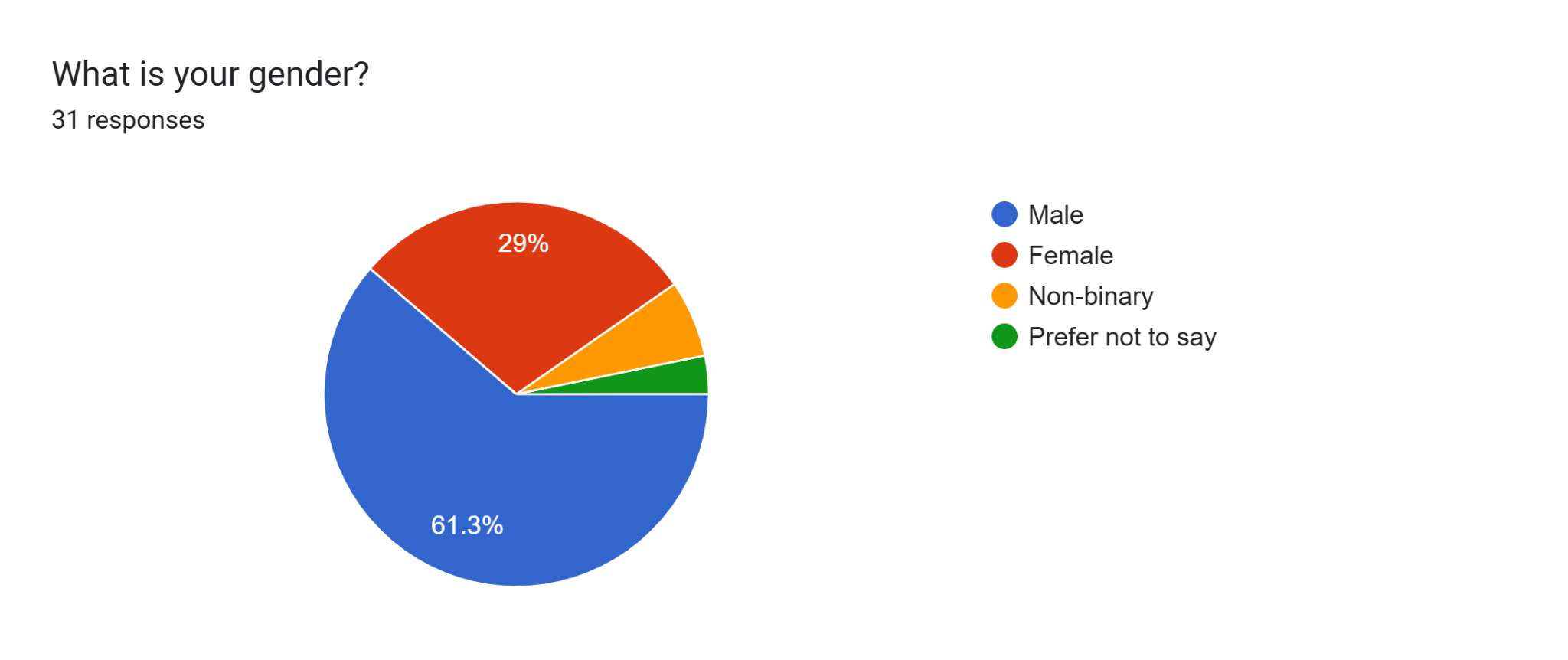
Figure 3: Gender Distribution of Respondents
Figure 1 presents the number of people in the survey by gender. Most of the participants (61.3%) said they were male, while 29% chose female. Between 6.5% and 3.2%, those who responded were either non-binary or didn’t want to say their gender. According to these results, more men than women responded, which might be because of the makeup of the industry itself or due to survey outreach problems. Although it may make the analysis of women’s roles in management more difficult, adding diverse gender identities allows us to see leadership equity in the fashion industry from a wider social perspective (Smith and Sinkford, 2022).
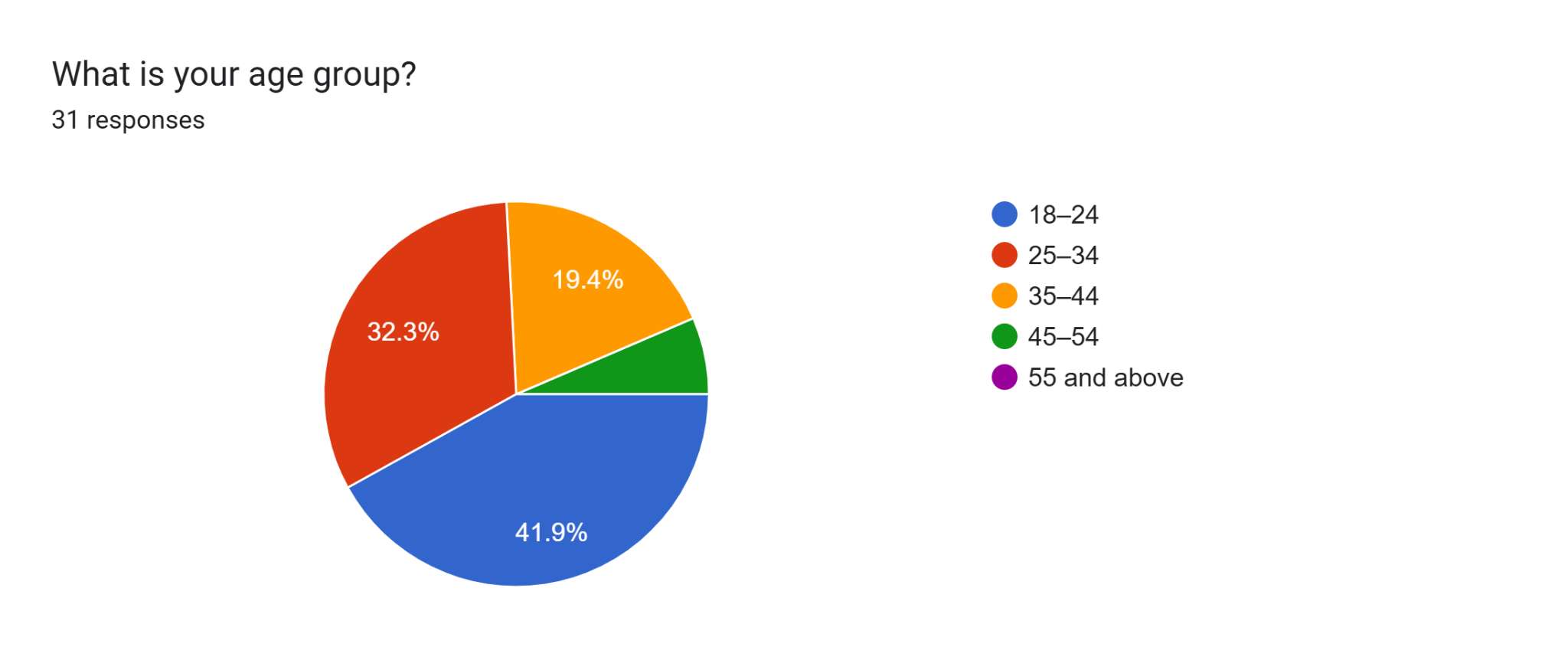
Figure 4: Age Group of Respondents
This figure demonstrates the ages of the 31 people surveyed. Most people in this age group are between 18 and 24 years old (41.9%), then from 25 to 34 years old (32.3%), and from 35 to 44 years old (19.4%). Six and a half percent are aged 45–54, and there are no employees that are over the age of 55. The evidence shows that most of the participants are younger, making them students or people in the early years of their careers. Given their youthfulness, it seems the audience’s perspectives will probably match the present attitude toward fashion and gender roles. On the other hand, it can cause a lack of variety in working experience and backgrounds, especially for those in leadership roles (Smith and Sinkford, 2022).
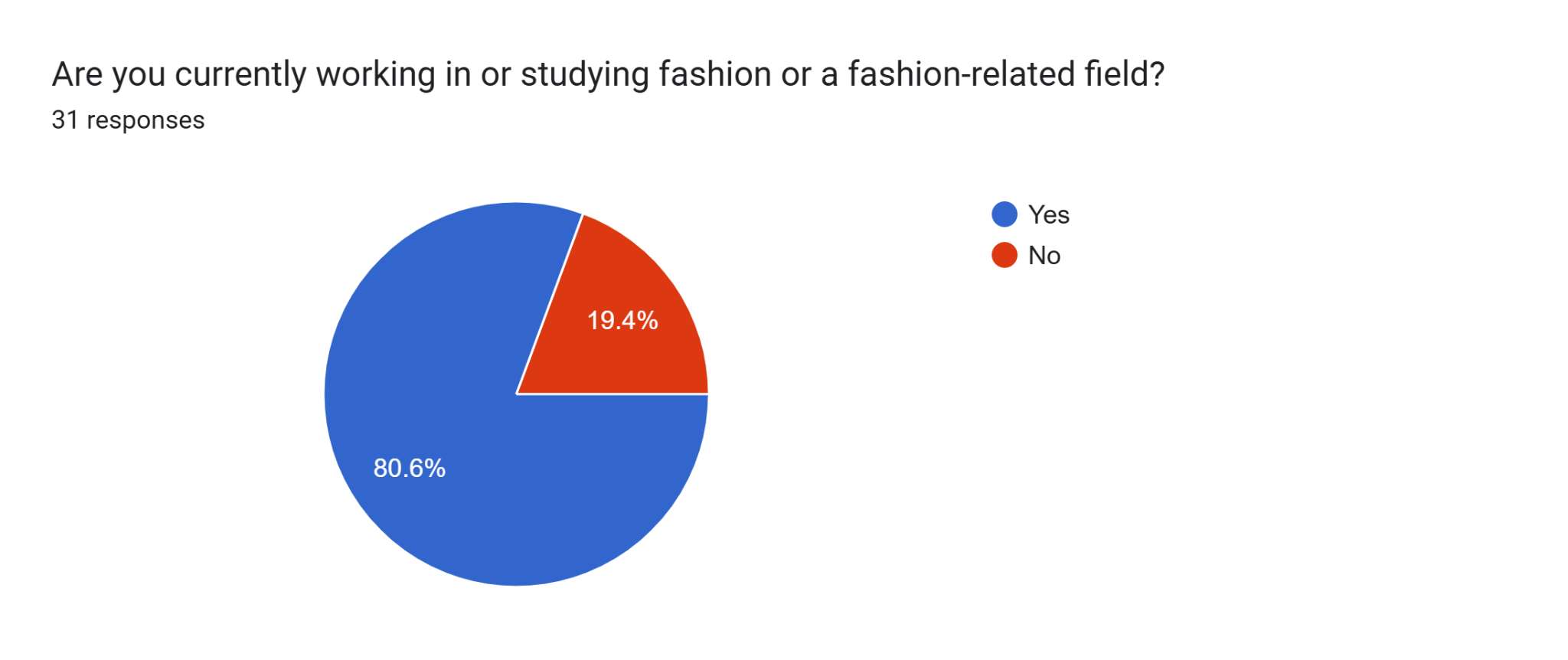
Figure 5: Professional Involvement in Fashion
Figure 3 indicates the amount of participation among participants in the fashion sector. Out of all those who responded, 80.6% are involved in fashion jobs or education, while 19.4% are not. The direct involvement of many students and fashion professionals in the research boosts the usefulness and trustworthiness of the results. They can form their opinions through specific experiences or with the help of structured education. Yet, including people who don’t identify with the fashion industry means that other types of assessments can be given, which may be fairer and more attuned to the public (Shourkaei, Taylor and Dyck, 2023).
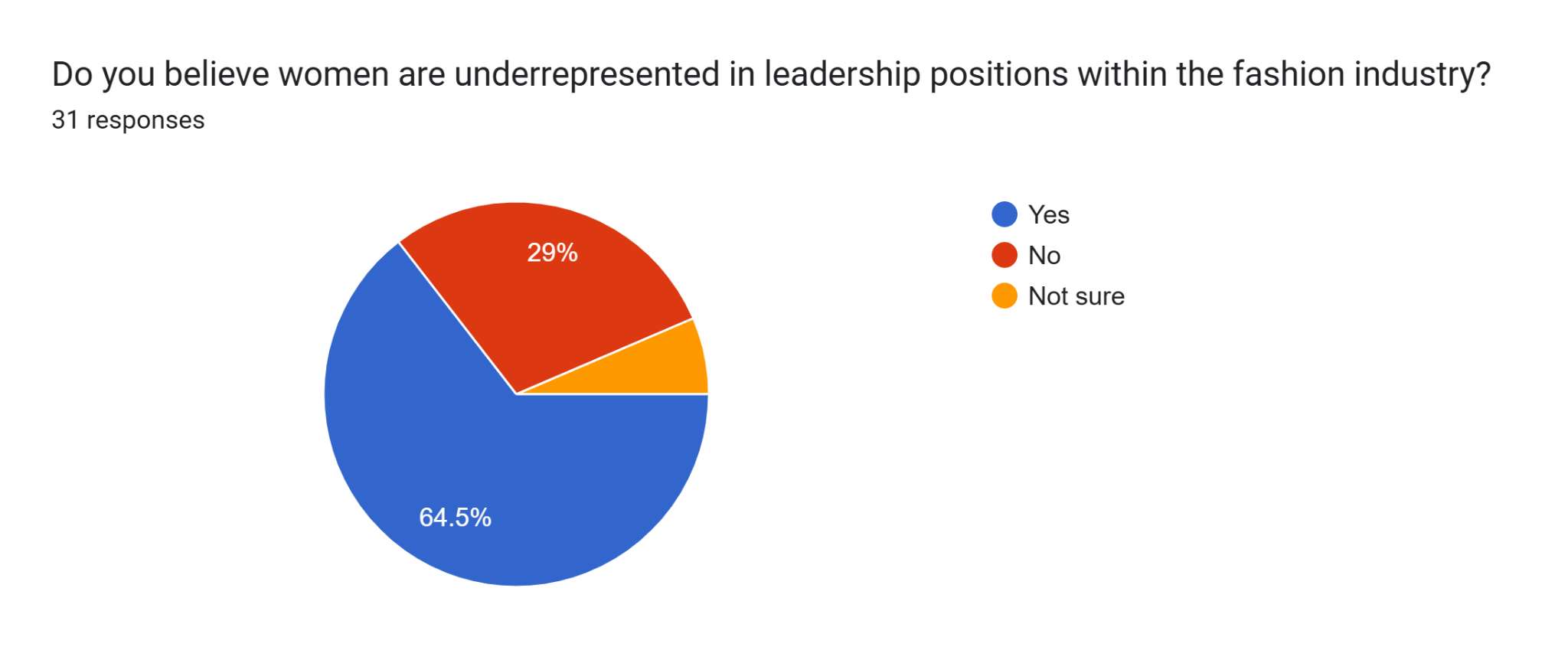
Figure 6: Perceived Underrepresentation of Women in Leadership
It is evident from Figure 4 that most respondents believe women hold fewer leadership positions in the fashion industry. On the contrary, about 29% of the survey participants did not recognise the lack of representation when asked, and 6.5% were unsure. Most people agree with what existing studies show: even though women continue to be active in jobs such as creative and operations, they are less likely to be found in senior management. Some employees may disagree with others due to different life situations or because they have not realised how the corporation is structured (Rhodes and Baron, 2019). All in all, the findings suggest that it’s essential to continue exploring the reasons behind the challenges to female advancement in fashion leadership.
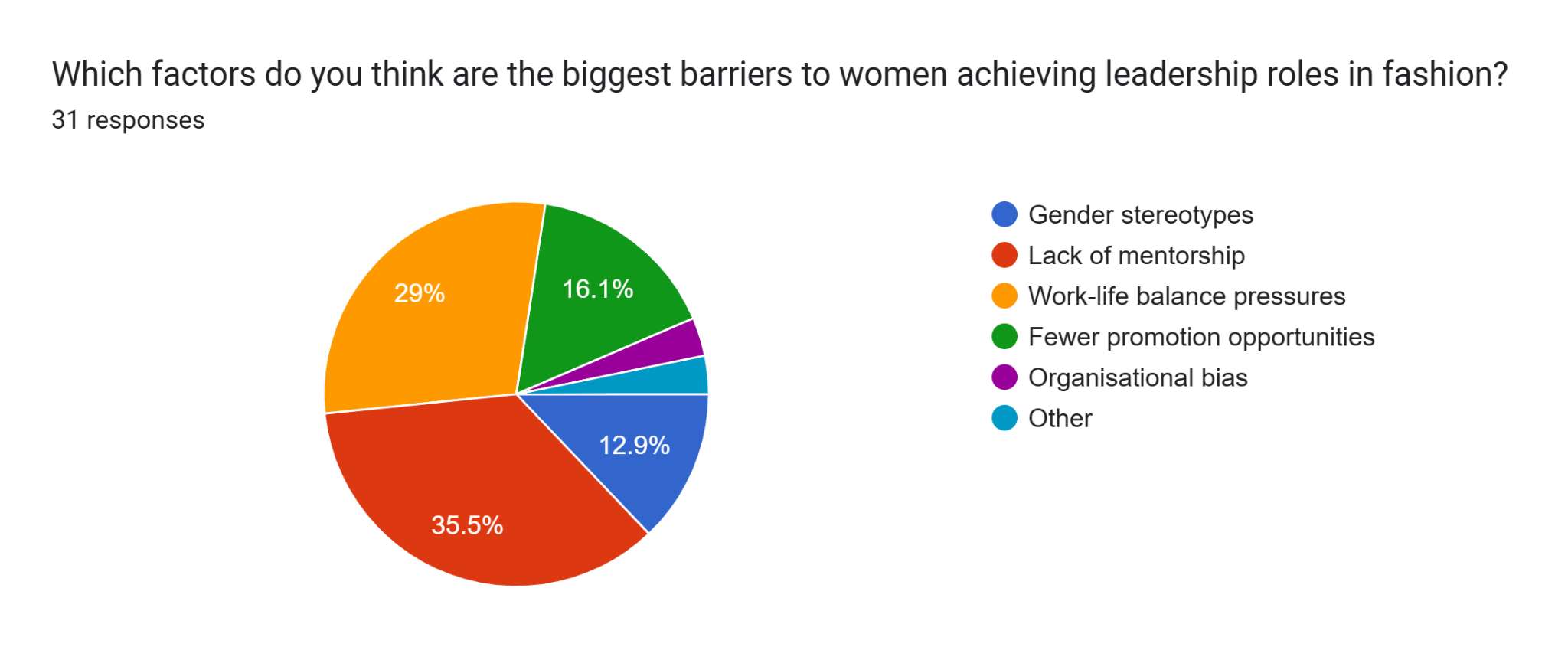
Figure 7: Perceived Barriers to Women’s Advancement
Figure 5 shows the common views people have about the obstacles that block women from climbing up in the fashion world. Many people cited the lack of a mentor as their biggest challenge, and the second was difficulty in managing their work and personal life (29%). Gender stereotypes and organisational bias appeared not as often (Rhodes and Baron, 2019). According to these findings, people believe that even though gender stereotypes are recognised, what concerns them are the lack of clear guidance and unhelpful work settings. According to the responses, fostering gender equity requires mentorship programs, a good work-life balance, and transparent policies for promotion.
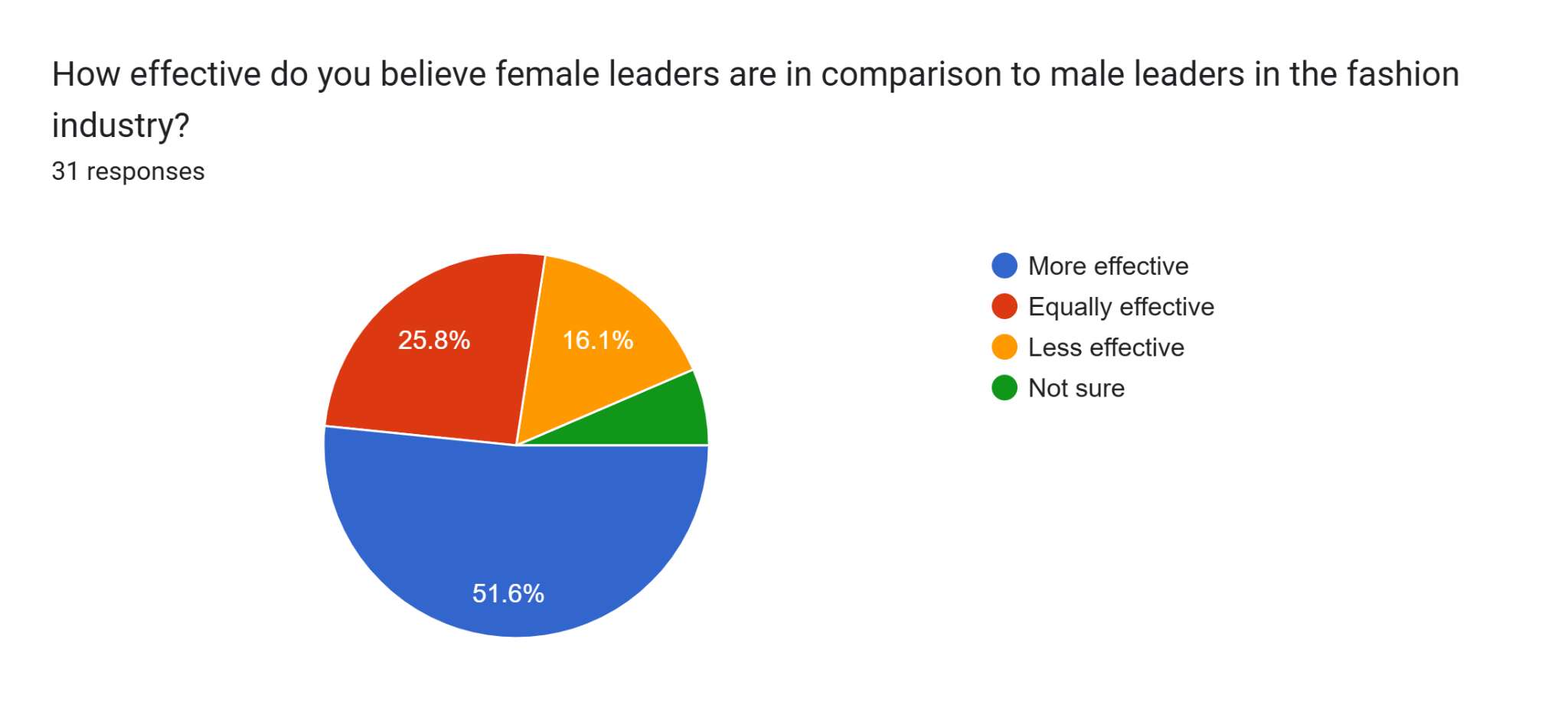
Figure 8: Perceived Effectiveness of Female Leaders Compared to Male Leaders
It is evident from Figure 6 that 51.6% of the interviewed audience believes that female leaders in fashion are more successful than their male counterparts. Regarding perception, some 25.8% see swift and gradual approaches as equal, but 16.1% believe swift changes are better and 6.5% are not sure. The majority support female leadership, as they recognise skills such as working together, using creativity, and treating emotions appropriately (Galsanjigmed and Sekiguchi, 2023). At the same time, a few people still express doubts, suggesting that lingering biases and unequal views about leadership persist among different genders, which impacts who holds top positions.
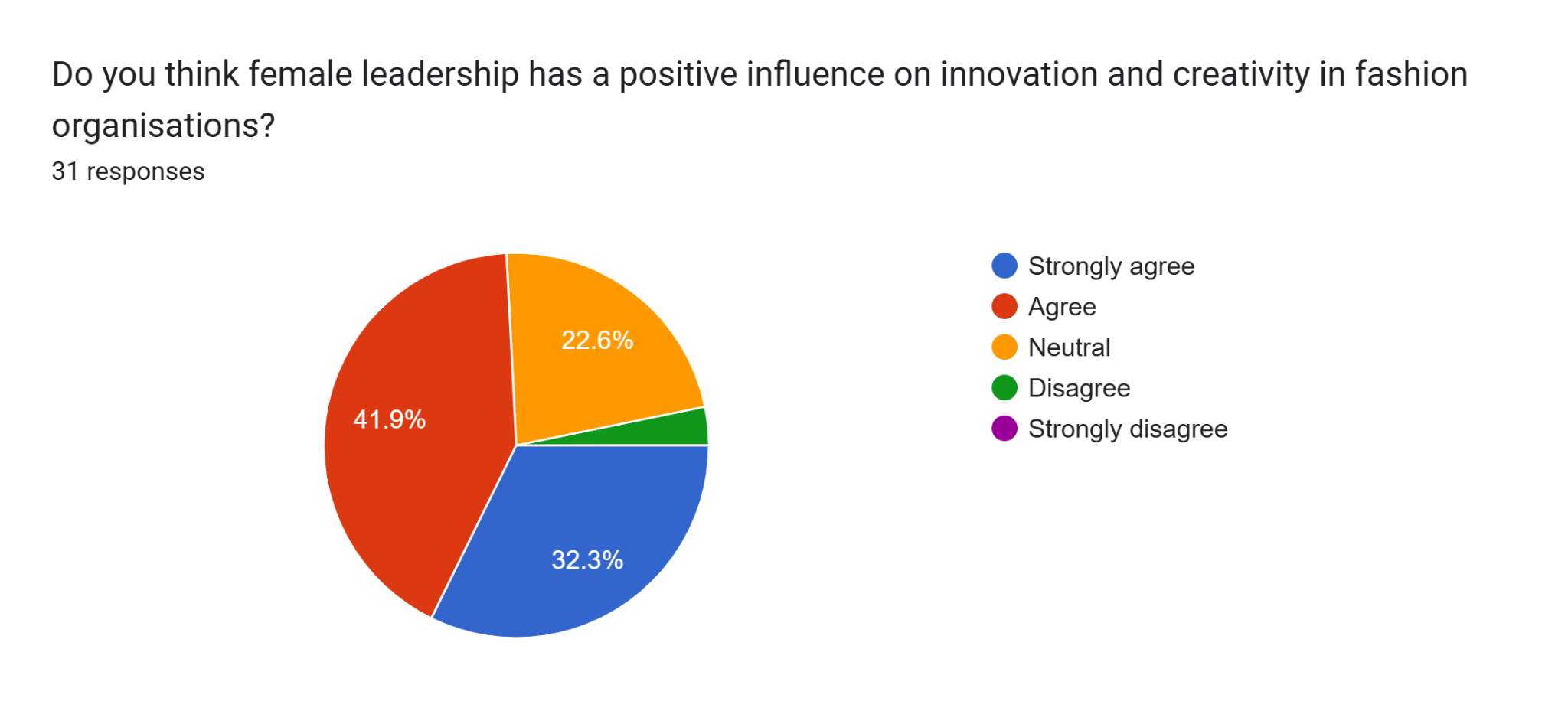
Figure 9: Perceived Impact of Female Leadership on Innovation and Creativity
From Figure 7, it is evident that 74.2% of the respondents agree or strongly agree that female leadership benefits innovation and creativity in fashion organisations. A third (22.6%) of the respondents stayed neutral, while only 3.2% expressed supportive opinions. This provides support for the point in writing that mixed leadership roles, primarily led by women, bring benefits and drive new ideas in teams. The broad consensus suggests that companies within the fashion and other similar industries require inclusive leadership strategies to succeed (Galsanjigmed and Sekiguchi, 2023).
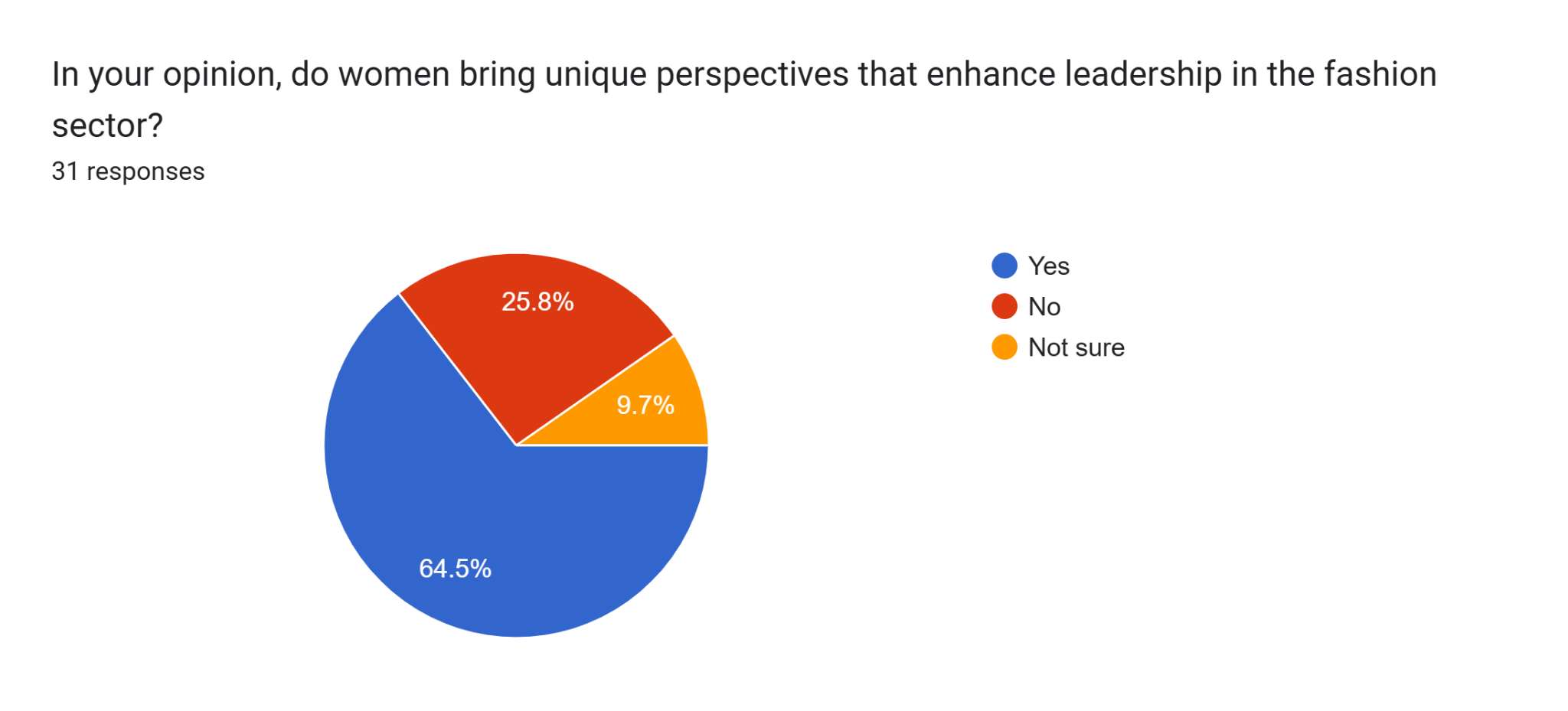
Figure 10: Do Women Bring Unique Perspectives to Leadership in Fashion?
Figure 8 reveals that 64.5% of participants believe that the contribution of women leads to better leadership in the fashion sector. Nevertheless, 25.8% did not agree, and 9.7% were also unsure. Many agree with Social Role Theory, which suggests that social factors contribute to women developing leadership skills, such as empathy, flexibility, and collaboration (Pierli, Murmura, and Palazzi, 2022). Some people still disagree, as they are not ready to expand the definition of leadership or understand why gender should not influence their view.
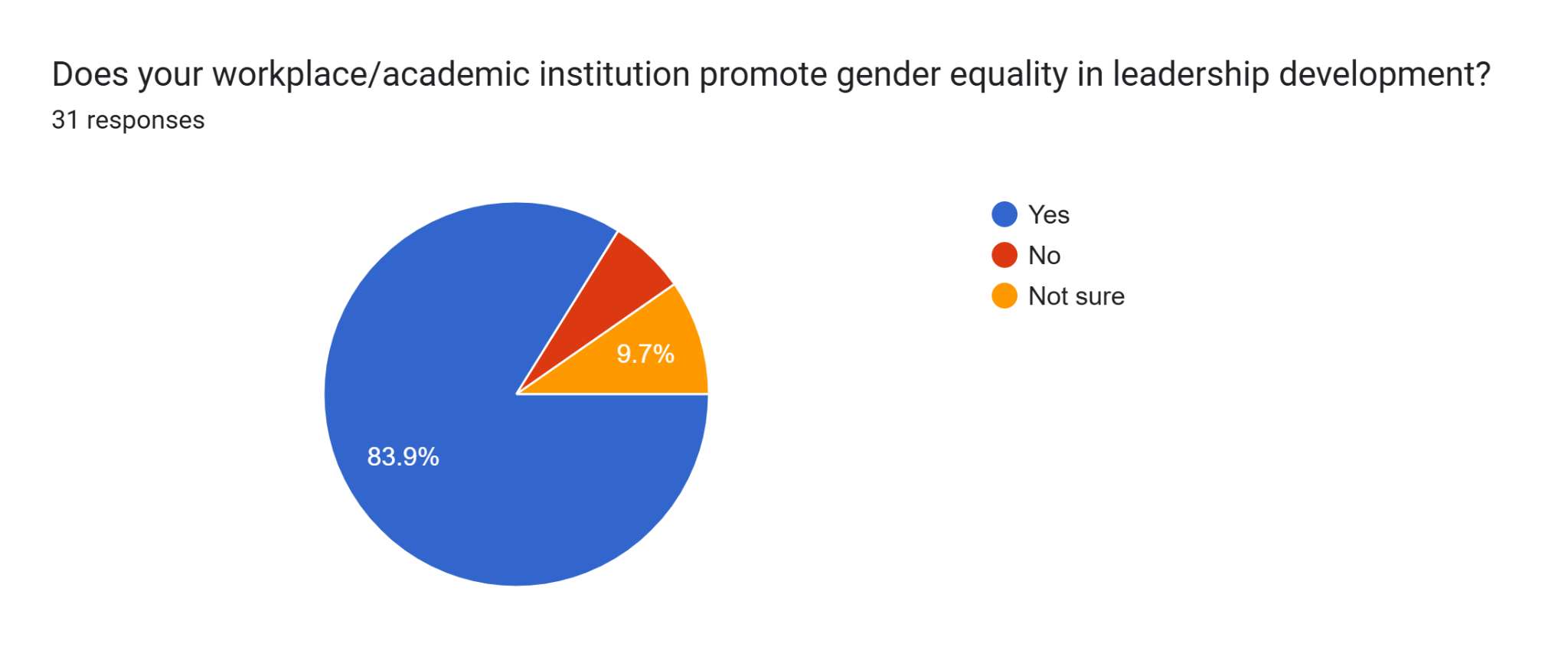
Figure 11: Organisational Support for Gender Equality in Leadership
It is shown in Figure 9 that most respondents, 83.9%, said their environment encourages gender equality in leadership, whereas only 6.5% report no such efforts, and 9.7% are uncertain. Such results suggest that many companies are striving for equality, by introducing mentoring schemes, bias training, and recruiting workers from various backgrounds. Although this seems promising, potential support should still be viewed with caution, as it may not always yield the desired results (Pierli, Murmura and Palazzi, 2022).
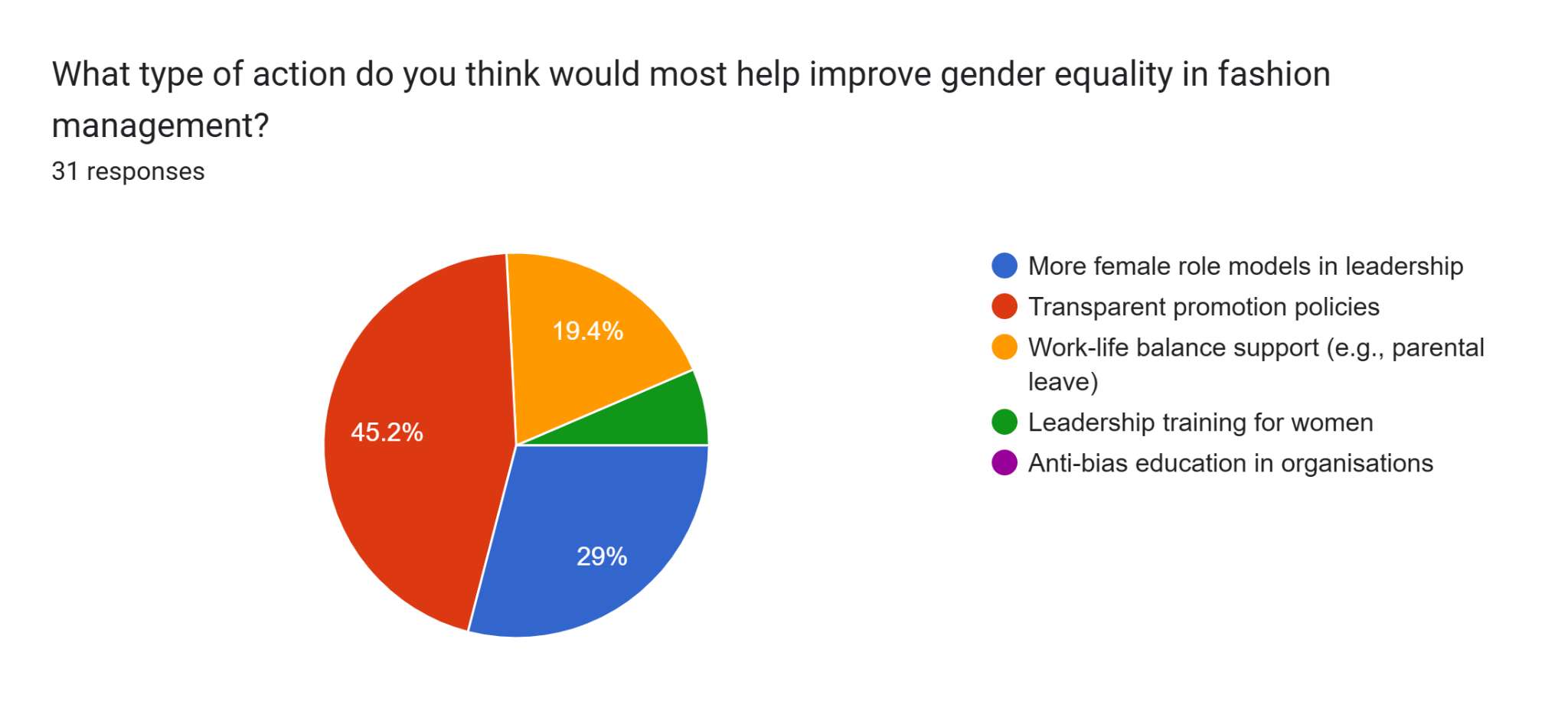
Figure 12: Preferred Actions to Improve Gender Equality in Fashion Management
The options shown in Figure 10 highlight different strategies to back gender equality. The majority of respondents chose transparent ways of promoting (45.2%), increasing the number of women to serve as role models (29%), helping employees cope with family life (19.4%), and providing leadership support for women (6.5%). All participants in the survey decided against anti-bias education. Promotion transparency is highly appreciated because most coworkers consider company policies to be the biggest problem, not a lack of skills (Ghani et al., 2023). They show that institutions should take action to ensure fair and accountable progression in people’s careers.
Chapter 5. Analysis of Findings
5.1 Overview
In this chapter, the authors interpret what the primary data tells us with help from existing studies. In this manner, it investigates if earlier academic arguments about obstacles, views, and the lead of women in the fashion industry are genuine. The researchers also drew on Social Role Theory and stereotypes about gender to better understand the participants' attitudes.
5.2 How Gender is Portrayed and Viewed in Society
Most respondents agree that women hold fewer leadership roles in the fashion industry, a belief that aligns with the consensus among academics. Middleton and Turnbull (2021) state that, although women fill many creative and frontline roles, they remain underrepresented in leadership positions. Even among a group of respondents where males outnumber females by three to one, the bias against women remains clear, showing people recognise gender imbalance as Nash and Moore (2018) indicated.
5.3 Challenges to Progress
According to the respondents, the main challenges females face while seeking leadership roles are not having a mentor (35.5%) and the challenges of managing work and personal life (29%). According to Barkhuizen et al. (2022), these results agree with their findings, which explain that being excluded from specific networks and lacking support are important challenges for women. Just 12.9% of people saw the issue as being influenced solely by stereotypes, which could suggest that they believe it is a practical issue, even though some theories explain that there is still a cultural basis to such problems (Anglin et al., 2022).
5.4 How Well Leaders Perform and Stereotypes About Gender
Almost 60% of individuals stated that female executives perform more effectively than male executives, while 25.8% considered the results to be the same for leaders of both genders. Because people believe these traits are strongly associated with women’s leadership, more companies are linking women with innovation, kindness, and diversity (Lefley, Trnková, and Vychová, 2024). Nonetheless, the fact that 16.1% felt female leaders were less effective, though only being a minority, suggests that gender bias is still present and could come from the usual idea that leadership is for men.
5.5 Innovation and its Lasting Significance
A total of 74.2% of respondents either strongly agreed with or liked the view that female leadership stimulates the creation of new ideas and fresh thinking. It proves that Ran et al.’s (2021) view is correct: women leaders encourage emotional intelligence and inclusive behavior among their teams. In addition, the strong agreement also highlights the benefits of having a diverse group of leaders in business and reinforces Smith and Sinkford’s (2022) conclusion that teams comprising individuals from different genders achieve better results than those formed solely by people of the same gender, particularly in terms of innovation.
5.6 Guiding a team and bringing a unique approach
Most people (64.5%) believe that women share unique ideas that make them better leaders in fashion. This proves Social Role Theory which says being a woman leads women to build a style of leadership with cooperation and empathy. Because cultural sensitivity is essential there, these traits are valuable in the fashion industry (Smith and Sinkford, 2022). Others value women’s opinions because it is seen that females can lead in ways different from others but that are not less important.
5.7 Support Systems Within Organisations
Almost all of the polled respondents, 83.9%, mentioned that their organisations are committed to gender equality in developing leaders. The strict rules and signposts indicate a genuine effort, although the research reminds us not to rely solely on initiatives that seem superficial. The authors argue that many diversity programs lack sufficient support or proper evaluation mechanisms to ensure their lasting impact (Guthridge et al., 2023). For this reason, even though these responses are encouraging, we should consider them carefully since there are still clear obstacles and small numbers.
5.8 Suggested Actions for Gender Equality
Concerning strategies, most people suggested open advertising rules, while the second biggest suggestion was female role models. They follow the advice found in current literature, which suggests making it easy for others to recognise changes towards gender equality in management (Guthridge et al., 2023). Since fewer people prefer training, whereas more are concerned with prejudice, the survey suggests that the main problem lies with the systems, not the skills of individuals.
Chapter 6. Conclusion and Recommendations
6.1 Conclusion
The goal of this study was to analyze how and in what ways female leaders have an impact on the fashion industry. With the help of Social Role Theory and beliefs about gender, the research focused on obstacles facing women in the workplace, assessed people’s opinions of women leaders, and studied organisational approaches that promote equality between genders.
It was confirmed in the review that persistent structural and cultural challenges, for example the glass ceiling and traditional male-dominated culture, hinder women from having equal chances at senior positions. Many respondents in the survey said that weakness in mentorship and difficulty in work-life balance were the biggest obstacles. It adds to the research that recommends systemic changes rather than just focusing on people’s personal improvement. Furthermore, the investigation showed positive results when women are in charge. The majority of the respondents concluded that female leaders help more than male leaders and bring new ideas and creativity. They show that having diverse leaders makes a difference in industries that depend on flexibility and understanding of many cultures.
Most participants in the survey thought that gender equality was supported in their organisations, although they were not quite sure how fully these organisations were implementing it. The favorite suggestion among respondents was making the process of being promoted open, and next, being sure to include female success stories in media. All in all, it appears that though women in fashion are gaining more attention, actual changes within organisations are needed to get rid of barriers. It supports the discussion about promoting gender equality in leadership and supplies useful ideas for future steps.
6.2 Recommendations
Firms are advised to place greater emphasis on developing fair and transparent promotion criteria (Wichmann et al., 2022). The selection and review system for personnel should be transparent, trackable, and regularly reviewed to minimise biases when promoting individuals.
Mentorship programs that focus on women allow them to progress professionally and become ready leaders (Schaerer et al., 2018). The programs should involve planned guidance, continuous support, and the participation of senior-level employees who help advance women.
To help people address work-life pressures, companies in the fashion sector should introduce flexible working hours, paid time off for family care, and caregiving assistance (Schaerer et al., 2018). They enable women to balance work and family responsibilities simultaneously.
Introducing outstanding women leaders through internal messaging, public advertisements, and speaking engagements can encourage females who aspire to follow in their footsteps. People need to be represented to challenge stereotypes and adjust ideas about leadership. Leaders within an organisation should be evaluated by key performance indicators (KPIs) and performance reviews to ensure equal treatment of all genders in the company’s strategy (Wagdi and Fathi, 2024). It is essential to incorporate anti-bias training, conduct inclusion audits, and track data in HR to monitor progress and make continuous improvements.
6.3 The Value of the Research
This research contributes to the academic field by providing new evidence on perspectives on gender equality in fashion management. It explains that gender equality works best when it is founded on deep-seated changes, rather than just appearing to be good. The study’s focus on the fashion sector revealed inequalities and recommended unique solutions, which can guide discussions in other creative areas as well.
7. Reflection
Completing this research project has been both enjoyable academically and personally for me. Researching the impact of women in the fashion industry has broadened my understanding of gender-related challenges in business and helped me become more independent in conducting research based on data (Kabbara and Zucchella, 2023). The reflection outlines the critical knowledge I learned, difficulties they met, and the improvements this experience brought to their life and work.
Initially, I was primarily curious about why gender inequality persisted in what seemed to be a progressive industry like fashion. Working on my research aim and objectives involved a lot of reading, and that improved my ability to recognise any differences in the current knowledge and to study sources with more care. Using Social Role Theory and gender stereotyping, I could consider industry practices from a sociocultural standpoint and this helped me sharpen my theories and put them into practice when facing real problems. Creating the methodology was crucial to the learning process (Kabbara and Zucchella, 2023). I preferred to use a Google Forms survey as my main research tool since it helped me quickly find the right people to respond. Despite thinking the chart-based method was too simple, it made it clear and possible to highlight main results and find patterns. I had to pay close attention to the numbers as well as their significance for literary analysis. At this point, I developed better data analysis skills and learned how to match research tools to the questions being addressed in the research.
It was challenging to decide how to blend theory and practice, mainly due to difficulties related to sampling (Lefley, Trnková and Vychová, 2024). Since 31 people were used in the convenience sample, the results did not apply to the whole fashion industry. Still, I saw how being transparent and critically reviewing your process improves the quality of research. I also discovered the importance of managing time effectively. Working on all the steps required within a deadline taught me to keep a routine, prioritise what’s needed, and not to spend too much time on research that does not help me finish on time. Learning in this field will improve your chances in future job and study activities.
References
- Aggarwal, R. and Ranganathan, P. (2020). Study designs: Part 2 – descriptive studies. Perspectives in Clinical Research, 10(1), pp.34–36. doi:https://doi.org/10.4103/picr.PICR_154_18.
- Agustinus Tarigan, Aurik Gustomo and Yuni Ros Bangun (2025). Are performance appraisals in the public sector fair? EXPLORING bias and best practices. Cogent Business & Management, 12(1). doi:https://doi.org/10.1080/23311975.2025.2458760.
- Anglin, A.H., Kincaid, P.A., Short, J.C. and Allen, D.G. (2022). Role theory perspectives: Past, present, and future applications of role theories in management research. Journal of Management, 48(6), pp.1469–1502. doi:https://doi.org/10.1177/01492063221081442.
- Anglin, A.H., Kincaid, P.A., Short, J.C. and Allen, D.G. (2022). Role theory perspectives: Past, present, and future applications of role theories in management research. Journal of Management, [online] 48(6), pp.1469–1502. doi:https://doi.org/10.1177/01492063221081442.
- Barkhuizen, E.N., Masakane, G. and Van der Sluis, L. (2022). In Search of Factors That Hinder the Career Advancement of Women to Senior Leadership Positions. SA Journal of Industrial Psychology, 48(1). doi:https://doi.org/10.4102/sajip.v48i0.1986.
- Chauhan, Dr.P. (2023). Pressure and Balance Between Workplace and Family for Women Professionals: a literature review. ldealistic Journal of Advanced Research in Progressive Spectrums (IJARPS) eISSN– 2583-6986, [online] 2(10), pp.123–130. Available at: https://journal.ijarps.org/index.php/IJARPS/article/view/200.
- Fife, S.T. and Gossner, J.D. (2024). Deductive Qualitative Analysis: Evaluating, Expanding, and Refining Theory. International Journal of Qualitative Methods, 23(1), pp.1–12. doi:https://doi.org/10.1177/16094069241244856.
- Galsanjigmed, E. and Sekiguchi, T. (2023). Challenges women experience in leadership careers: An integrative review. Merits, [online] 3(2), pp.366–389. doi:https://doi.org/10.3390/merits3020021.
- Galsanjigmed, E. and Sekiguchi, T. (2023). Challenges Women Experience in Leadership Careers: An Integrative Review. Merits, [online] 3(2), pp.366–389. doi:https://doi.org/10.3390/merits3020021.
- Ghani, B., Hyder, S.I., Yoo, S. and Han, H. (2023). Does employee engagement promote innovation? The Facilitators of innovative workplace behavior via mediation and moderation. Heliyon, 9(11), p.e21817. doi:https://doi.org/10.1016/j.heliyon.2023.e21817.
- Guthridge, M., Kirkman, M., Penovic, T. and Giummarra, M.J. (2022). Promoting Gender Equality: A Systematic Review of Interventions. Social Justice Research, [online] 35(3), pp.318–343. doi:https://doi.org/10.1007/s11211-022-00398-z.
- Guthridge, M., Penovic, T., Kirkman, M. and Giummarra, M.J. (2023). The Role of Affective Empathy in Eliminating Discrimination Against Women: a Conceptual Proposition. Human Rights Review. doi:https://doi.org/10.1007/s12142-023-00692-6.
- Hamouche, S. (2021). Human resource management and the COVID-19 crisis: implications, challenges, opportunities, and future organizational directions. Journal of Management & Organization, 1(1), pp.1–16. doi:https://doi.org/10.1017/jmo.2021.15.
- Jonsen, K., Point, S., Kelan, E.K. and Grieble, A. (2021). Diversity and Inclusion branding: a five-country Comparison of Corporate Websites. The International Journal of Human Resource Management, 32(3), pp.1–34. doi:https://doi.org/10.1080/09585192.2018.1496125.
- Kabbara, D. and Zucchella, A. (2023). Transnational entrepreneurship. Insights from female entrepreneurs in the modest fashion industry. Journal of International Management, [online] 29(5), p.101058. doi:https://doi.org/10.1016/j.intman.2023.101058.
- Kooli, C. (2022). Challenges of working from home during the COVID ‐19 pandemic for women in the UAE. Journal of Public Affairs, [online] 23(1). doi:https://doi.org/10.1002/pa.2829.
- Kossek, E.E. and Kelliher, C. (2022). Making Flexibility More I-Deal: Advancing Work-Life Equality Collectively. Group & Organization Management, 48(1), p.105960112210988. doi:https://doi.org/10.1177/10596011221098823.
- Lefley, F., Trnková, G. and Vychová, H. (2024). Gender diversity on corporate boards: importance of female traits/characteristics as perceived by university students. Corporate Communications: An International Journal. doi:https://doi.org/10.1108/ccij-09-2023-0128.
- Luo, W. (2025). Flexible Leadership: Bridging Gender Dynamics and Enhancing Enterprise Performance. Management Research Quarterly., 1(4). doi:https://doi.org/10.63029/hd0n4v76.
- Maksimović, J. and Evtimov, J. (2023). Positivism and post-positivism as the Basis of Quantitative Research in Pedagogy. Research in Pedagogy, 13(1), pp.208–218. doi:https://doi.org/10.5937/istrped2301208m.
- Middleton, K. and Turnbull, S. (2021). How advertising got ‘woke’: The institutional role of advertising in the emergence of gender progressive market logics and practices. Marketing Theory, [online] 21(4), p.147059312110351. Available at: https://journals.sagepub.com/doi/full/10.1177/14705931211035163.
- Middleton, K. and Turnbull, S. (2021). How advertising got ‘woke’: The institutional role of advertising in the emergence of gender progressive market logics and practices. Marketing Theory, [online] 21(4), p.147059312110351. Available at: https://journals.sagepub.com/doi/full/10.1177/14705931211035163.
- Nash, M. and Moore, R. (2018). ‘I was completely oblivious to gender’: an exploration of how women in STEMM navigate leadership in a neoliberal, post-feminist context. Journal of Gender Studies, 28(4), pp.449–461. doi:https://doi.org/10.1080/09589236.2018.1504758.
- Paule, M. and Yelin, H. (2021). ‘I don’t want to be known for it’: Girls, leadership role models and the problem of representation. European Journal of Cultural Studies, 25(1), p.136754942110045. doi:https://doi.org/10.1177/13675494211004595.
- Pierli, G., Murmura, F. and Palazzi, F. (2022). Women and leadership: How do women leaders contribute to companies’ sustainable choices? Frontiers in Sustainability, [online] 3. doi:https://doi.org/10.3389/frsus.2022.930116.
- Ran, Z., Gul, A., Akbar, A., Haider, S.A., Zeeshan, A. and Akbar, M. (2021). Role of Gender-Based Emotional Intelligence in Corporate Financial Decision-Making. Psychology Research and Behavior Management, [online] Volume 14, pp.2231–2244. Available at: https://www.tandfonline.com/doi/abs/10.2147/PRBM.S335022.
- Rhodes, M. and Baron, A. (2019). The Development of Social Categorization. Annual Review of Developmental Psychology, [online] 1(1), pp.359–386. doi:https://doi.org/10.1146/annurev-devpsych-121318-084824.
- Schaerer, M., Kern, M., Berger, G., Medvec, V. and Swaab, R.I. (2018). The illusion of transparency in performance appraisals: When and why accuracy motivation explains unintentional feedback inflation. Organizational Behavior and Human Decision Processes, [online] 144, pp.171–186. Available at: https://www.sciencedirect.com/science/article/pii/S0749597816301807.
- Shet, S.V., Del Giudice, M. and Rammal, H.G. (2021). Managerial challenges to promoting competency-based intellectual capital in emerging market economies – developing a framework for implications. Journal of Intellectual Capital, ahead-of-print(ahead-of-print). doi:https://doi.org/10.1108/jic-01-2021-0018.
- Shourkaei, M.M., Taylor, K.M. and Dyck, B. (2023). Examining Sustainable Supply Chain Management via a Social‐symbolic Work lens: Lessons from Patagonia. Business Strategy and the Environment, 33(2), pp.1477–1496. doi:https://doi.org/10.1002/bse.3552.
- Smith, S.G. and Sinkford, J.C. (2022). Gender Equality in the 21st century: Overcoming Barriers to women’s Leadership in Global Health. Journal of Dental Education, [online] 86(9), pp.1144–1173. doi:https://doi.org/10.1002/jdd.13059.
- Smith, S.G. and Sinkford, J.C. (2022). Gender Equality in the 21st century: Overcoming Barriers to women’s Leadership in Global Health. Journal of Dental Education, 86(9), pp.1144–1173.
- Starbuck, C. (2023). Descriptive Statistics. Springer eBooks, [online] pp.97–120. doi:https://doi.org/10.1007/978-3-031-28674-2_7.
- Vijeyarasa, R. and Liu, M. (2021). Fast fashion for 2030: Using the pattern of the sustainable development goals (SDGs) to cut a more gender-just fashion sector. Business and Human Rights Journal, [online] 7(1), pp.45–66. doi:https://doi.org/10.1017/bhj.2021.29.
- Wagdi, O. and Fathi, A. (2024). The impact of top management team members diversity on corporations’ performance and value: Evidence from emerging markets. Future Business Journal, 10(1). doi:https://doi.org/10.1186/s43093-024-00364-y.
- Wichmann, J.R.K., Uppal, A., Sharma, A. and Dekimpe, M.G. (2022). A Global Perspective on the Marketing Mix across Time and Space. International Journal of Research in Marketing, 39(2), pp.502–521. doi:https://doi.org/10.1016/j.ijresmar.2021.09.001.
- Wolle, G. (2024). Gender stereotypes and contributing factors for the gender gap in the school leadership position in North Wello Zone: Ethiopia. Cogent education, 11(1). doi:https://doi.org/10.1080/2331186x.2024.2375482.
Recently Downloaded Samples by Customers
Task 1: Memorandum To: Supervising Partner From: [Student Name] Date: [current date, 2024] Re: Kit Merriot, The Recognition...View and Download
Introduction: Introduction To People Management Get free samples written by our Top-Notch subject experts for taking Assignment...View and Download
Introduction to Facilitate Personalised and Performance Focused Learning Assignment Task One – Report Internal and...View and Download
LO1 Understand customer and stakeholder relationship management Assignment Sample 1.1 Identify the customers and stakeholders...View and Download
Introduction: The Contemporary Hospitality Industry Hospitality industry is the most dynamic and competitive service industry...View and Download
The Critical Role of Nursing in Dementia Care in the UK: An Assignment Overview The analysis and investigation of the function...View and Download