
LC462 CW1 Essay On The Role Of The Pharmaceutical Industry In Medicalization
Discuss With Relevant Examples The Role Of The Pharmaceutical Industry In Fostering Good And Bad Medicalization.
- Introduction
- Defining Medicalization
- The Pharmaceutical Industry’s Role in Medicalisation
- Examples of Bad Medicalisation and Disease Mongering
- Marketing and Influence on Medical Norms
- Is Disease Mongering a Consequence of Market Capitalism?
- Impact on Patient Autonomy and Healthcare Systems
- Balancing the Role of Pharma: Regulation and Ethics
- Type Essay
- Downloads543
- Pages11
- Words2755
Introduction
Medicalisation, the process through which human experiences and conditions are defined and treated as medical problems, has become an important topic of interest among sociologists, ethicists, and other public health professionals. The pharmaceutical industry is one of the most powerful participants of this process as it is both the driving force behind the expansion of the horizons of medicine and the provision of new opportunities to treat conditions that were previously neglected or stigmatised. Although medicalisation of some health conditions can lead to better patient outcomes and help eliminate social stigma, namely depression or chronic pain, there are several cases when medicalising a health condition becomes question of ethics, especially when it comes to pathologizing normal life processes in the pursuit of profit. This essay critically evaluates the ambivalent nature of the pharmaceutical industry in promoting positive and negative medicalisation. It explores the role of pharmaceutical companies in constructing diseases, promoting drugs and expanding the diagnosis through case studies and theoretical approaches. Additionally, it explores the concept of disease mongering and how it blurs the boundary between care and commerce.
Juggling lectures, part-time work, and deadlines? Let our Assignment Help For Students take the pressure off with professionally written, thoroughly researched assignments at affordable prices.
Defining Medicalization
The sociological aspect of medicalisation defines it as the process through which human conditions and behaviours are transformed into conditions to be determined, diagnosed and treated by medicine (van Dijk et al., 2019). Created by sociologists like Irving Zola and further developed by Peter Conrad, medicalisation is an expression of the way that social issues, like ageing, childbirth or even deviance, are redefined as medical issues. Such change can come under the patronage of medical authority, patient advocacy, or commercial interests, including the pharmaceutical industry. Notably, medicalisation is not necessarily a bad thing. It may result in the legitimisation of suffering, improved funding of research, and increased access. As an example, the acceptance of post-traumatic stress disorder (PTSD) as a valid medical condition has eased treatment interventions and social assistance to the victims (Du et al., 2022). Medicalisation, however, is a problem when medical terms are used to describe everyday experiences or when medical treatments are vigorously promoted without sufficient warrant (Meneu, 2018). The latter type is also known as over-medicalisation; it may lead to over-treatment, excess spending on health care, and pathologisation of normality.

 5 Years | MSc in Healthcare Practice
The Pharmaceutical Industry’s Role in Medicalisation
The pharmaceutical industry has become a significant force in determining what is illness and how to treat it (Krychtiuk et al., 2024). It exerts this influence in a variety of ways such as by funding clinical research, interaction with regulatory bodies, influencing diagnostic guidelines, as well as marketing to both healthcare professionals and consumers. Such involvement can at best only contribute to early detection, reduce stigma and improve health outcomes. In one instance, the increased perception of depression and the many forms of anxiety in the past few decades would be impossible without the pharmaceutical industry and the presence of antidepressants like fluoxetine (Prozac) (Skahnland and Ciefliar-Pobuda, 2019). The drugs have provided a lot of fulfilment to millions of individuals and have helped to normalise mental health as a condition of civic health interest. Hence, the identical mechanisms can be used in the process of broadening the market of drugs by lowering the boundaries of what is considered a disease or, indeed, creating new diagnostic categories.
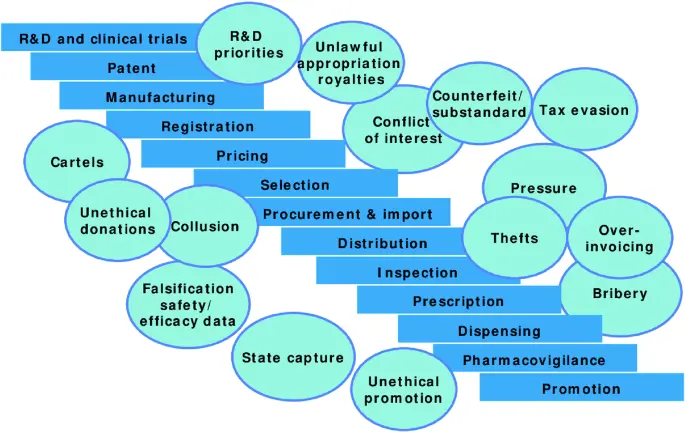
Figure 1: Influence of the pharmaceutical industry on medicalisation
(Source: Laskai, 2020)
This is also called disease mongering and it is the act of broadening the definitions of diseases that can be treated but in a way that it is beneficial to the pharmaceutical companies not the patients. One of the most famous examples is the marketing of medicines to address such issues as female sexual dysfunction or adult attention deficit hyperactivity disorder, where critics assert that pharmaceutical companies have medicalised normal variations in behaviour or experience (Skahnland and Cieslar-Pobuda, 2019). Thus, it can be said that the role of the pharmaceutical industry in the medicalisation process is rather multifaceted since the industry has contributed to the development of healthcare both positively and overly maximally.
Examples of Bad Medicalisation and Disease Mongering
However, despite the fact that medicalisation can bring about positive outcomes when it comes to situations when more individuals are taken care of, the pharmaceutical industry has also been engaging in a controversial role, in which the boundaries of medicine are pushed in the name of commercial gains (Salm et al., 2021). That can be best reflected in such a practice as disease mongering, i.e. the deliberate expansion of diagnostic categories in order to expand the realm of impact of pharmaceutical products. The example of female sexual dysfunction (FSD) popularised in the late 1990s and early 2000s is one of them. It was a popular condition that was marketed as a common disorder, but there was no clinical consensus. The pharmaceutical firm developing flibanserin (subsequently marketed as Addyi) spent lots of money in advocacy efforts that sought to increase awareness of FSD. But critics claimed the campaign pathologised normal fluctuations in sexual desire to create the need to treat it medically (Bauer, 2021). The diagnosis was more of subjective experiences and the drug in use itself was not very effective with significant side effects.
Get assistance from our PROFESSIONAL ASSIGNMENT WRITERS to receive 100% assured AI-free and high-quality documents on time, ensuring an A+ grade in all subjects.
The other example is the rising diagnosis and treatment of adult attention-deficit/hyperactivity disorder (ADHD) (Abdelnour, Jansen and Gold, 2022). Although ADHD is a valid disorder when it occurs in children, its application to adults has been the subject of discussions concerning overdiagnosis and overprescription of such stimulants as Adderall and Ritalin. Individuals who are not clinically in need of these drugs occasionally use them, especially in academic or high-stress work environments, which has prompted the criticism of medicalising stress or ambition (Bauer, 2021). Additionally, social anxiety disorder and premenstrual dysphoric disorder (PMDD) have also been condemned as examples of medicalising everyday experiences and encouraging a pharmaceutical approach when a psychosocial intervention would be more suitable.
Marketing and Influence on Medical Norms
The contributions of the pharmaceutical industries to both good and bad medicalization are enormous, and one of them is the marketing practices. In nations such as Brazil and the United States, where such practice is lawful, firms can freely advertise drugs to consumers. Such advertisements tend to list symptoms that consumers can identify with in themselves and prompt them to “ask their doctor” about a given drug (Abdelnour, Jansen and Gold, 2022). This has the potential to increase awareness of underdiagnosed conditions, but also to spur unnecessary medication requests, particularly where symptoms are non-specific or everyday aspects of life (e.g., fatigue, nervousness, or sadness).
Besides, drug manufacturers freely engage in such practices as sponsoring medical education, financing clinical trials, and offering prescribing incentives, which makes healthcare professionals eager followers. This forms a feedback loop in which the disease borders are not only determined by scientific consensus but also by commercial interest. Diagnostic criteria can be influenced subtly by having company-funded experts on guideline committees or by publishing sponsored research (Hinton, Reeves and Shah, 2021). Another means by which the distinction between medical expertise and commercial promotion is further eroded is through the employment of so-called key opinion leaders” (KOLs) who are senior physicians or academics who promote specific diagnoses or treatments and who are paid by industry.
Language in marketing is another contributor to medicalisation. Consider such conditions as overactive bladder, low testosterone, or mild cognitive impairment; these terms have become part of popular culture mainly due to advertising efforts (Hinton, Reeves and Shah, 2021). The terms have a foundation in the medical literature, but are used so widely that they encompass an extensive range of normal physiological processes, and thus become a target for drug companies.
Is Disease Mongering a Consequence of Market Capitalism?
Disease mongering can be understood as a systemic feature of capitalist systems, which prioritises profits over the welfare of the population (Moncrieff, 2022). Within the framework of market-based healthcare, pharmaceutical firms have a strong incentive to increase their customer base by finding (or inventing) conditions that need long-term pharmaceutical treatment. In contrast to the cures of acute diseases, medications related to chronic or recurring lifestyle diseases provide a continuous flow of revenues (Vodovotz et al., 2020). This economic rationality promotes the widening of disease categories, the reduction of diagnostic levels, and the construction of regular life events as pathological.
In addition to being rewarded on innovation in the pharmacological development, market capitalism also praises the creation of new markets (Din et al., 2024). This commonly includes huge investments in public relation firms, financing of advocacy organisations and use of scientific expertise to give credibility to new conditions. For example, the condition known as restless leg syndrome was virtually unknown until it was targeted by pharmaceutical marketing in the early 2000s, and shortly thereafter, drugs to treat it were introduced (Moncrieff, 2022). Although it could help some patients, the pace and magnitude with which the condition gained the attention of the mass market indicate that its medicalization had a commercial purpose.
Additionally, neoliberal beliefs that place personal responsibility for health coexist well with pharmaceutical discourse. When gaining weight, experiencing a low libido, or being in a bad mood is medicalised, companies distract from the structural factors that determine health, such as inequality, work-related stress, or unhealthy nutrition, and focus on the individual intake of medical products (Din et al., 2024). It reinforces a paradigm in which healthcare is commodified, patients are treated as consumers, and health is viewed as an object of endless optimisation.
Impact on Patient Autonomy and Healthcare Systems
The overall pervasiveness of the pharmaceutical industry regarding medicalisation bears profound implications for patient autonomy as well as the overall healthcare system (Panahi et al., 2023). On the surface, increased access to medical treatments can be perceived as a way to empower patients because of the availability of more options. This is actually true in certain instances, particularly when previously ignored conditions are diagnosed and proper treatment is administered (Liang et al., 2022). Medicalisation, however, when commercially rather than clinically indicated, may actually threaten autonomy by changing norms of what is defined as normal as well as resulting in dependence on pharmaceutical interventions.
Consider, for instance, the redefinition of normal human feelings of sadness, shyness, or premenstrual mood swings as a disorder that needs to be treated with drugs, people may be pressured into seeking this treatment in the attempt to match the socially constructed ideals of health and productivity (Liang et al., 2022). This medicalisation of normal experiences provides a restricted scope of acceptable behaviour and emotions, and can diminish the individual's freedom to define and handle well-being. It also disfavours other or non-medical treatments like therapy, lifestyle change or community support.
Systemically, over-medicalisation is associated with excess utilisation of healthcare resources. As diagnostic categories are broadened and more people are subject to pharmacological treatment, health budgets are constrained, particularly in publicly funded systems (Laskai, 2020). As an example, the trend toward the larger prescribing of statins to people with moderate cholesterol levels, which has been fuelled by both increased guidelines and drug company marketing, has dramatic cost consequences (Din et al., 2024). Although it may help some patients, it can also expose patients to the prolonged use of medication of questionable value, subjecting them to possible side effects, and taking resources away form patients with more pressing needs.
Balancing the Role of Pharma: Regulation and Ethics
Since the pharmaceutical industry will play a central role in both simplifying and complexifying medical care, there should be a middle ground that will allow exploiting the positive aspects of the industry and curtailing the negative ones. An essential element of this balance is regulation. The U.S. Food and Drug Administration (FDA), the European Medicines Agency (EMA), the National Institute for Health and Care Excellence (NICE) in the UK are some of the agencies charged with the responsibility of assessing the safety, efficacy, and cost-effectiveness of drugs (Joppi et al., 2019). Such bodies establish limits on marketing, demand proofs of clinical trials, and provide Treatment Guidelines. However, the regulatory systems are struggling to keep pace with intensive promotional tactics and the rapid reclassification of ailments.
Ethical supervision is also significant. In order to uphold integrity in the healthcare system transparency in clinical trials, reporting conflicts of interest and having medical guidelines reviewed independently are paramount (Jha et al., 2025). The so-called phenomenon of ghostwriting, by which drug companies fund studies produced under the names of academic researchers, giving the appearance of independent expertise, is one such ethical issue. On the same note, industry-sponsored medical education has the potential to induce bias in physician education and prescribing practices (Hinton, Reeves and Shah, 2021). The most effective way to address these issues is through stricter conflict-of-interest policies, open data initiatives, and government funding of independent research.
Conclusion
The pharmaceutical industry has a pervasive and influential role in the medicalisation of human experiences. On the one hand, it has led to some valuable medical improvements, legitimising hitherto dismissed conditions, increasing access to treatment, and contributing to the destigmatisation process, all of which can be regarded as an example of a positive medicalisation. Conversely, its market forces have resulted in the proliferation of disease classifications and pathologisation of normal behaviours and bodily functions. Market-building efforts have also overshadowed potential benefits when the medical industry uses disease mongering, direct-industry-to-consumer advertising, and regulation of what constitutes a clinical guideline.
References
- Abdelnour, E., Jansen, M. and Gold, J. (2022). ADHD Diagnostic Trends: Increased Recognition or Overdiagnosis? [online] Nih.gov. Available at: https://pmc.ncbi.nlm.nih.gov/articles/PMC9616454/.
- Bauer, I.L. (2021). Death as attraction: the role of travel medicine and psychological travel health care in ‘dark tourism’. Tropical Diseases, Travel Medicine and Vaccines, 7(1). doi:https://doi.org/10.1186/s40794-021-00149-z.
- Din, A.U., Yang, Y., Yan, R., Wei, A. and Ali, M. (2024). Growing Success with Sustainability: The Influence of Green HRM, Innovation, and Competitive Advantage on Environmental Performance in the Manufacturing Industry. Heliyon, 10(10), pp.e30855–e30855. doi:https://doi.org/10.1016/j.heliyon.2024.e30855.
- Du, J., Diao, H., Zhou, X., Zhang, C., Chen, Y., Gao, Y. and Wang, Y. (2022). Post-traumatic stress disorder: a psychiatric disorder requiring urgent attention. Medical Review, 2(3), pp.219–243. doi:https://doi.org/10.1515/mr-2022-0012.
- Hinton, J., Reeves, T. and Shah, B.N. (2021). Analysis of conflicts of interest among authors and researchers of European clinical guidelines in cardiovascular medicine. Clinical Medicine, 21(2), pp.e166–e170. doi:https://doi.org/10.7861/clinmed.2020-0552.
- Jha, D., Durak, G., Das, A., Sanjotra, J., Susladkar, O., Sarkar, S., Rauniyar, A., Kumar Tomar, N., Peng, L., Li, S., Biswas, K., Aktas, E., Keles, E., Antalek, M., Zhang, Z., Wang, B., Zhu, X., Pan, H., Seyithanoglu, D. and Medetalibeyoglu, A. (2025). Ethical framework for responsible foundational models in medical imaging. Frontiers in Medicine, 12. doi:https://doi.org/10.3389/fmed.2025.1544501.
- Joppi, R., Bertele, V., Vannini, T., Garattini, S. and Banzi, R. (2019). Food and Drug Administration vs European Medicines Agency: Review times and clinical evidence on novel drugs at the time of approval. British Journal of Clinical Pharmacology, 86(1), pp.170–174. doi:https://doi.org/10.1111/bcp.14130.
- Krychtiuk, K.A., Andersson, T.L., Bodesheim, U., Butler, J., Curtis, L.H., Elkind, M., Hernandez, A.F., Hornik, C., Lyman, G.H., Khatri, P., Mbagwu, M., Murakami, M., Nichols, G., Roessig, L., Young, A.Q., Schilsky, R.L. and Pagidipati, N. (2024). Drug development for major chronic health conditions—aligning with growing public health needs: Proceedings from a multistakeholder think tank. American Heart Journal, [online] 270, pp.23–43. doi:https://doi.org/10.1016/j.ahj.2024.01.004.
- Laskai, A. (2020). Undue Pharmaceutical Industry Influence in Medical Profession. Studies of organized crime, pp.17–48. doi:https://doi.org/10.1007/978-3-030-44790-8_2.
- Liang, Z., Xu, M., Liu, G., Zhou, Y. and Howard, P. (2022). Patient-centred care and patient autonomy: Doctors’ views in chinese hospitals. BMC medical ethics, [online] 23(38). doi:https://doi.org/10.1186/s12910-022-00777-w.
- Meneu, R. (2018). Life medicalization and the recent appearance of ‘pharmaceuticalization’. Farmacia hospitalaria : organo oficial de expresion cientifica de la Sociedad Espanola de Farmacia Hospitalaria, [online] 42(4), pp.174–179. doi:https://doi.org/10.7399/fh.11064.
- Moncrieff, J. (2022). The Political Economy of the Mental Health System: A Marxist Analysis. Frontiers in Sociology, 6(1). doi:https://doi.org/10.3389/fsoc.2021.771875.
- Panahi, S., Spearman, B., Sundrud, J., Lunceford, M. and Kamimura, A. (2023). The impact of patient autonomy among uninsured free clinic patients. Journal of Patient Experience, 10, p.237437352311790-237437352311790. doi:https://doi.org/10.1177/23743735231179041.
- Salm, M., Ali, M., Minihane, M. and Conrad, P. (2021). Defining global health: findings from a systematic review and thematic analysis of the literature. BMJ Global Health, [online] 6(6), p.e005292. Available at: https://pmc.ncbi.nlm.nih.gov/articles/PMC8183196/.
- Skånland, S.S. and Cieślar-Pobuda, A. (2019). Off-label uses of drugs for depression. European Journal of Pharmacology, [online] 865, p.172732. doi:https://doi.org/10.1016/j.ejphar.2019.172732.
- van Dijk, W., Meinders, M.J., Tanke, M.A.C., Westert, G.P. and Jeurissen, P.P.T. (2019). Medicalization Defined in Empirical Contexts – a Scoping Review. International Journal of Health Policy and Management, 9(8). doi:https://doi.org/10.15171/ijhpm.2019.101.
- Vodovotz, Y., Barnard, N., Hu, F.B., Jakicic, J., Lianov, L., Loveland, D., Buysse, D., Szigethy, E., Finkel, T., Sowa, G., Verschure, P., Williams, K., Sanchez, E., Dysinger, W., Maizes, V., Junker, C., Phillips, E., Katz, D., Drant, S. and Jackson, R.J. (2020). Prioritized Research for the Prevention, Treatment, and Reversal of Chronic Disease: Recommendations From the Lifestyle Medicine Research Summit. Frontiers in Medicine, [online] 7. doi:https://doi.org/10.3389/fmed.2020.585744.
Recently Downloaded Samples by Customers
Introduction - BM562 Consultancy in Practice Assignment Sample Consulting refers to the practice of furnishing a third...View and Download
Introduction: The Contemporary Hospitality Industry Hospitality industry is the most dynamic and competitive service industry...View and Download
Introduction: Equality And Diversity Organizations expect nursing professionals to uphold high standards of care with patient...View and Download
Introduction Growth planning is defined as continuous business planning procedure which aids businesses to be concentrated, grow...View and Download
Introduction Get free samples written by our Top-Notch subject experts for taking online Assignment...View and Download
Introduction - NUR4033 Providing and Evaluating Care Assignment Sample Offering and evaluating care covers an organized...View and Download