MB704 - International Logistics and Operations Performance Assignment Sample
Read this MB704 assignment sample to explore international logistics, operations performance, supply chain coordination and strategies for improving business efficiency.

- Introduction - International Logistics and Operations Performance Assignment Sample
- 1. Operations Management Decision Areas
- Key Operations Management Decision Areas in Apple Inc.
- The company’s current practices
- Effectiveness of Apple’s Operational Practices
- Suggestions for Improvement Using OM Theory and Model
- 2. Strategic Strengths and Weaknesses
- Impact of Logistics and Operations on Apple’s Competitive Performance
- Leveraging Synergy Between Strengths and Operational Improvements
- Type Assignment
- Downloads549
- Pages12
- Words3063
Introduction - International Logistics and Operations Performance Assignment Sample
This report reviews the operations management (OM) strategies utilized by Apple Inc., a major multinational technology firm, to optimize the business performance in the diverse markets globally. The purpose of the research is to critically evaluate three essential areas of OM decision-making such as supply chain design, quality management, and inventory control, and the consequences of their utilisation on the operational efficiency and competitive advantage of Apple. Further, the report evaluates the logistics and operation strategy and the resultant weaknesses and strengths in the Apple logistics and operation strategy with a view to establishing how they will bring results that keep it innovative and leading in the market.
Struggling with tight deadlines? Assignment Help For Students from Rapid Assignment Help UK delivers well-researched, expertly written papers on time, every time.
1. Operations Management Decision Areas
Key Operations Management Decision Areas in Apple Inc.
Apple Inc. is an ingenious company in terms of operations management because it blends strategically different areas of decision-making to enable innovation, quality, and customer satisfaction. These are three very important areas of focus namely supply chain design, quality management, and inventory management.
The supply chain design of Apple is among the most effective and tightly controlled across the globe. The company uses a global strategy where its major suppliers are in Asia, especially in China. It has a good relationship with its suppliers and uses the concept of just-in-time (JIT) in order to cut down costs and Lead times(Alicke et al., 2020). Conducting the process of creation this way enables Apple to be responsive to the fluctuations of the market and keep the products equally available (Christopher, 2022). Nevertheless, intensive focus on a few suppliers may be a potential threat in case of geopolitical conflicts or inconveniences, which supports the necessity of diversified supplier policies.

 8 Years | MSc in International Business
Regarding quality control, Apple has strict standards in its production. Quality assurance is incorporated in all the stages of design to assembly. To cut down on the defects and enhance the effectiveness of processes, the company employs the principles of Six Sigma and lean management (Slack et al., 2020). Besides, Apple's closed ecosystem provides an opportunity to improve software-hardware integration which improves customer experience. However, the critics claim that such a priority on design can deteriorate repairability and long-term sustainability, making it necessary to use an approach closer to the circular economy in terms of product lifecycle management (Baryannis et al., 2021).
Another crucial process where Apple applies sophisticated demand planning and real-time follow-ups is the inventory management process. The firm uses a make-to-stock policy and low levels of inventory to ensure that the cost of holding it is minimised, and the turnover rate of inventory is high (Chopra & Meindl, 2021). Although this enhances efficiency, this enhances the chances of running out of stock when the demand is high.
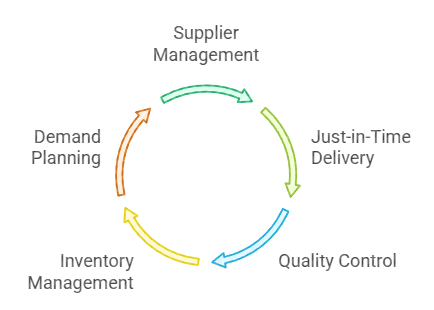
Figure 1: Key Operations Management Decision Areas
Source: (Chopra & Meindl, 2021)
The company’s current practices
Apple Inc. has in place very formal and creative practices in all its areas of operations management in order to be able to stay competitive in the global business environment. Apple applies a vertically integrated model in the supply chain design that enables it to handle most of its logistics and manufacturing activities. It depends on strategic alliances with their suppliers such as Foxconn and Pegatron and it employs state-of-the-art planning to standardize manufacturing between the two regions. This is a network that happens to be global but at the same time is controlled and can be efficient, scalable, and responsive (Bell and Autry, 2020). Apple also ensures that there are strict supplier quality audits, precision engineering standards, and prototype testing at each stage of development in quality management. The Design for Manufacturability (DFM) strategy of the company involves maintenance engineers and manufacturing personnel involved in the manufacturing process early on in the product development process, minimizing flaws and improving products. To ensure the desired change, Apple also collects customer feedback using its online facilities and Genius Bar. Contrary to inventory management, Apple follows a real-time inventory tracker and predictive analytics to streamline its inventory positioning. It exploits the demand forecasting algorithms and SAP systems to keep low levels of inventory although the customer expectations are high. Its digital and brick-and-mortar outlets are well liaised so that its products become available in a streamlined manner across the world(Bozarth and Handfield, 2023).
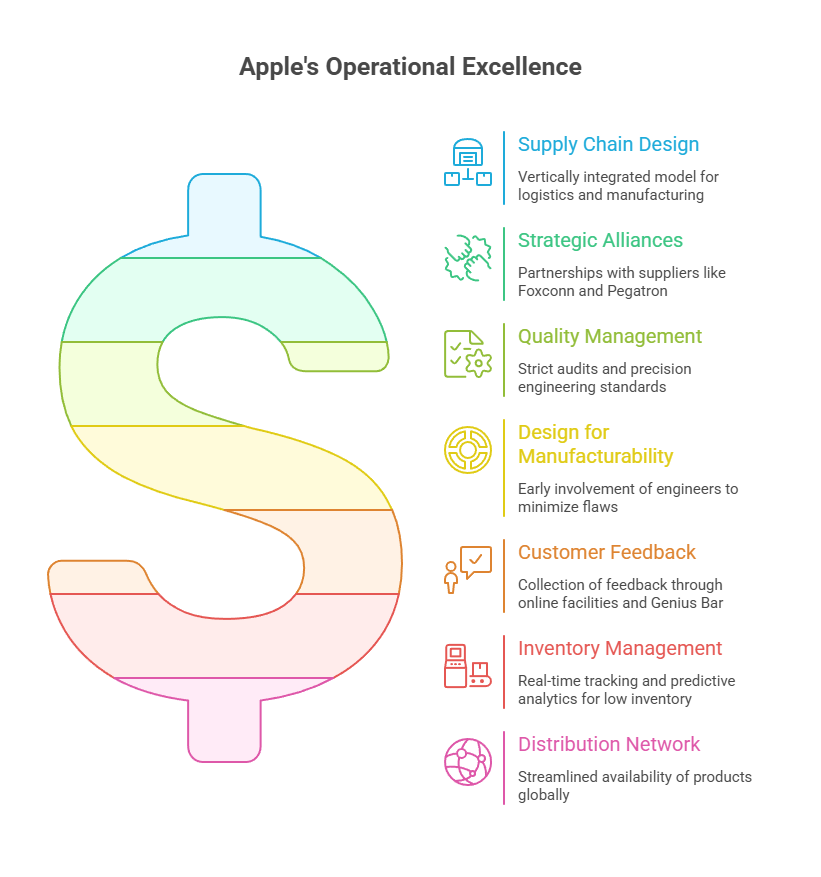
Figure 2: The company’s current practices
Source: (Bozarth and Handfield, 2023)
Effectiveness of Apple’s Operational Practices
Apple has very effective operational practices in the areas of supply chain design, quality management, and inventory management that contribute to its overall performance. One of Apple's strengths is the supply chain design. It has a vertically integrated and centralised supply chain that allows high efficiency, scalability, and cost control. Apple also manages to minimize the lead times and avert overproduction by creating long-term relations with major suppliers and utilizing just-in-time (JIT) strategies(Coyle et al., 2021). This has enabled the firm to introduce new products in other parts of the world with the same timing, thereby increasing the uniformity of brands and customer faith. Nevertheless, concentrated dependence on a small number of suppliers in Asia creates exposure to both geopolitical and pandemic-based shocks, as experienced with COVID-19 (Christopher, 2022). The quality control in Apple is very strong and helps the company to maintain its brand image and stability in its products. Low prevalence rates of defects and considerable consumer appeal are guaranteed by the application of Six Sigma principles, effective quality controls, and the DFM method. Such measures improve efficiency during operations by decreasing returns, the cost of repair, and complaints made by customers(Craighead et al., 2020). Nevertheless, product repairability and sustainability are sometimes criticized by critics, which may negatively affect customer loyalty in the long term. Inventory management is also very important to the success of Apple in its operations. The high level of inventory turnover is possible due to the lean inventory model backed up by the advanced forecasting tools and the possibility to track items that are available in real-time available so the holding costs are low. This nimbleness increases the ability to respond to market demand which can make the business profitable and improve its effectiveness to offer products (Chopra & Meindl, 2021).
Get assistance from our PROFESSIONAL ASSIGNMENT WRITERS to receive 100% assured AI-free and high-quality documents on time, ensuring an A+ grade in all subjects.
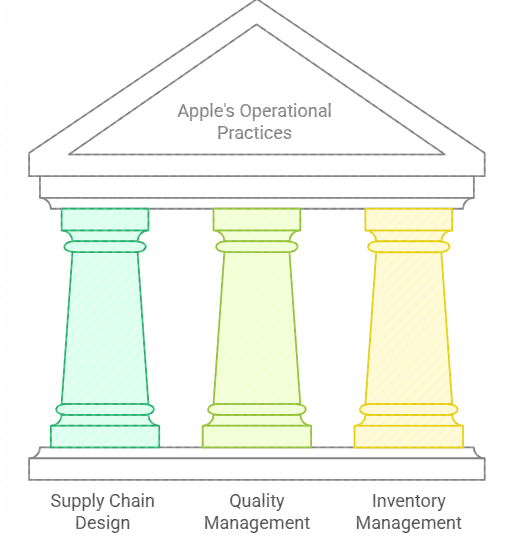
Figure 3: Effectiveness of Apple’s Operational Practices
Source: (Craighead et al., 2020)
Suggestions for Improvement Using OM Theory and Model
Though Apple Inc. has operational excellence there are gaps that can be improved or have different approaches to make it more resilient, sustainable, and flexible. These kinds of improvements can be directed by applying the Theory of Constraints (TOC) and the SCOR Model (Supply Chain Operations Reference Model).
Goldratt came up with the Theory of Constraints (TOC), which is concerned with the strategy and identification of bottlenecks constraining the overall performance of a system. In the case of Apple, one of the main limitations it is facing is the reliance of its supply chain on a small number of suppliers and regions especially in Asia. Such incidents as the COVID-19 pandemic as well as geopolitical issues have brought weaknesses in this model(Fahimnia and Jabbarzadeh, 2021). Using TOC, Apple ought to highlight this type of geographical overdependency as a form of resource-limiting constraint and take on possibilities like dual sourcing, nearshoring production processes to other geographic areas such as India or Vietnam, and the thought of investing in supplier Diversification. This will make it less risky, more resilient in the supply chain, and will support continuity at disruption(Fernie and Sparks, 2020).
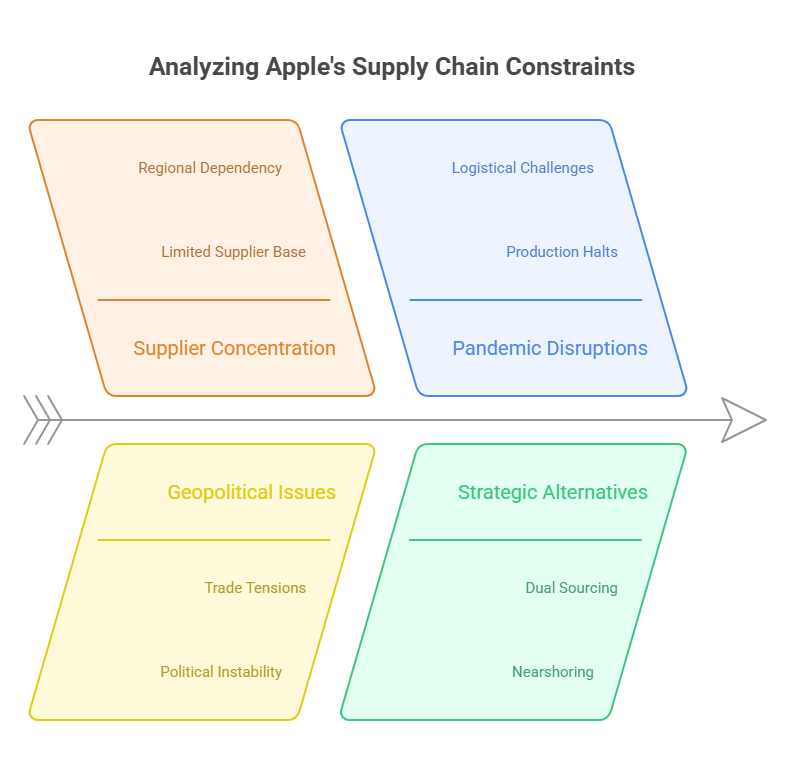
Figure 4: Apple's Supply Chain Constrains
Source: (Fernie and Sparks, 2020)
The Supply Chain Council has developed a SCOR Model that can be used to analyse and possesses the potential to enhance the supply chain performance and improve it in five areas namely Plan, Source, Make, Deliver the Return. Apple can use this model to assess every point of its supply chain operations. Specifically, in the section of the “Plan” Apple can optimise the demand forecasting process based on the combination of AI-powered analytics and real-time data on the global sales channels, to improve consumer behaviour forecasting and prevent the occurrence of supply-demand imbalances. In the section on Return, Apple has a chance to improve its product returns and recycles, in line with the position of the circular economy and sustainability(Ghadge et al., 2021).
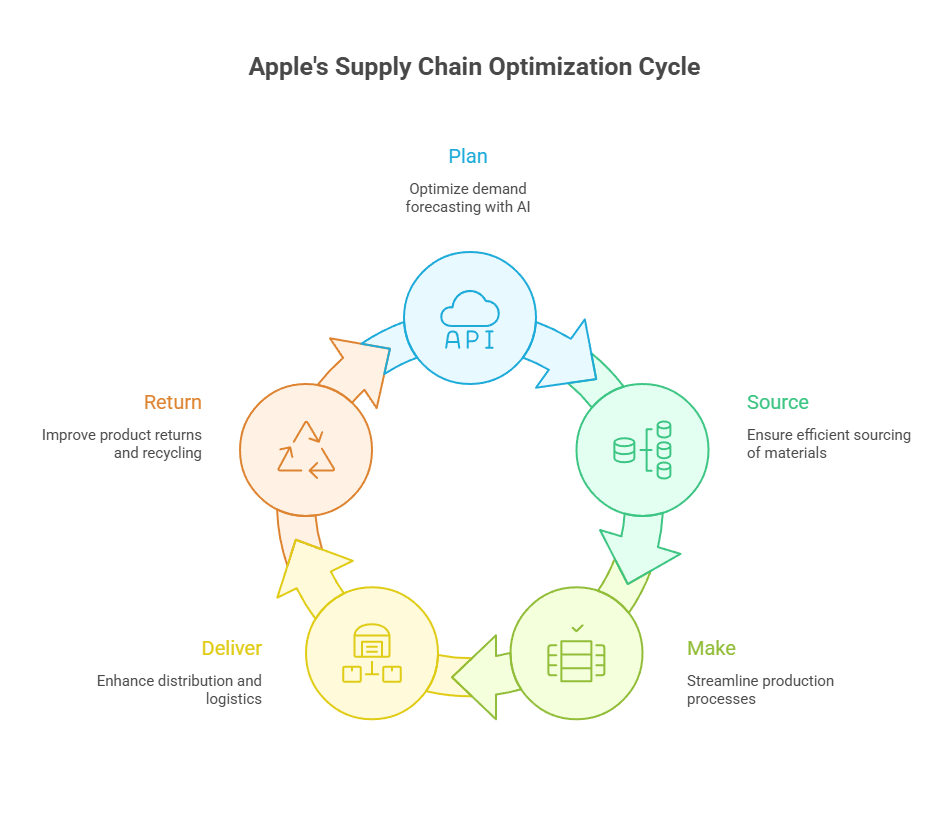
Figure 5: Supply chain optimization cycle
Source: (Ghadge et al., 2021)
In addition, although the inventory management at Apple is both lean and efficient in terms of cost, it can be further optimised with the help of demand sensing technologies. They have the opportunity to react to demand changes on time, eradicating the chances of stock-outs or over-production. The use of such agile technologies would be symbiotic to TOC as it would reduce the possible bottlenecks in the supply and inventory system(Zimon et al., 2022).
2. Strategic Strengths and Weaknesses
Strengths
One of the strengths of Apple is a vertically integrated supply chain that enables it to exercise more control over the supply chain production, quality, and delivery time. Apple tightly controls its suppliers and logistics partners, which maintain the quality and availability of the products throughout the globe. The just-in-time (JIT) inventory and predictive analytics practiced by the company lower holding cost, thereby, enabling high inventory turnover. Its approach allows making fast and data-driven decisions after using automated technologies like automation and AI in logistics planning(Heizer et al., 2022). Also, the product design of Apple is closely combined with its manufacturing and operations plans which enable effective production scaling and quick appearance in different markets. Manufacturing facilities such as Foxconn in China can manufacture millions of devices within a short time, which is necessary when it comes to making a major product introduction(Goldratt and Cox, 2020).
Weaknesses
Regardless of its strengths, the logistics and operations of Apple are extremely challenged. The majority of the demand for products by the company is concentrated in a few suppliers and manufacturing centres- principally in China thus making it highly vulnerable to risk. Global crises, political issues, or labour-related problems can hit you seriously(Wieland, 2021). Moreover, lean inventory is an efficient system, but it is not flexible and cannot work in the case of sudden demand or supply chain interference at Apple(Ivanov, 2021). This could be witnessed in the event of the COVID-19 pandemic where the company experienced shortages with regard to its products. The other issue is the sustainability. Although Apple has taken some steps toward a renewable energy strategy and recycling, the company can be challenged due to poor transparency and an ethical supply chain in suppliers located at lower levels(Jain and Raj, 2021).
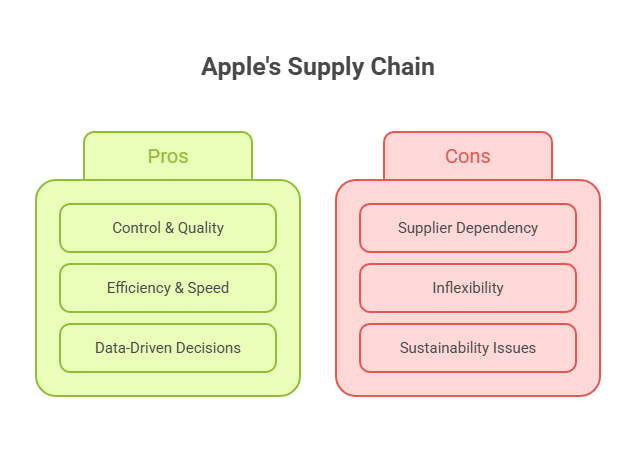
Figure 6: Strategic Strengths and Weaknesses
Source: (Jain and Raj, 2021)
Impact of Logistics and Operations on Apple’s Competitive Performance
The pattern of logistics and operations also plays a big role in the performance of a company within a highly globalized environment as is the case with Apple. This company has powerful operational capabilities (good supply chain integration, quality control, effective inventory control, etc.) which allow delivering high-quality goods at a stable high level. This is an efficient operation that betrays Apple's brand promise of quality and innovation which makes customers highly satisfied and loyal(Tang and Veelenturf, 2021). This means that Apple has a competitive advantage because of quicker product release, accurate global distribution, and the availability of the products(Ketchen and Craighead, 2020). Even so, there are operational flaws that are associated with Apple too which are a threat in a competitive business. It also has high levels of dependence on the concentrated network of suppliers and in China, especially, where it is vulnerable to supply chain regimes in light of geopolitical conflict or natural calamities, or pandemics. Such discontinuations may cause delays in making goods available, customer experience, and even present competitive rivals with an upper hand in the polemics of responsiveness and nimbleness(Kumar and Rajesh, 2022). Also, as sustainability and ethical supply sources gain increasing importance among consumers, the lack of transparency at the lower ends of the supply chain by Apple may go against its business unless handled. Under the corporate social responsibility trend that is having an effect on buying decisions in a marketplace, it may affect the perception and sales of a brand(Linton, 2020).
Leveraging Synergy Between Strengths and Operational Improvements
The strategic and operational strengths that Apple Inc. has and can improve on are conveniently placed to help the company advance its competitive advantage. Targeted improvements can be matched with the core strengths of the company, as the suppliers' relationships, advanced inventory, and a vertically integrated supply chain are necessary, making it resilient, efficient, and sustainable(Stevenson, 2021). Among such opportunities is the use of the technological capabilities of Apple to diversify the supplier base and the manufacturing locations. A more dispersed and adaptable model of production will help the company limit its dependency on a single region and can be enabled by the effective predictive and data analytics capabilities that the company will possess(Monczka et al., 2021). Apple can balance the risks and offer the same high level of quality by opening operations in some other country such as India, Vietnam, or Mexico where the risks can be reduced. This would synergise with the current supply chain control that it possesses to improve its level of responsiveness across the globe. Another way that Apple can enhance its sustainability programs is to incorporate the use of the circular economy in its supply chain. The strength it has at present in designing and controlling the product lifecycle should be expanded to encompass modularity, simpler disassembly, and smarter recycling(Papadopoulos et al., 2020). The transition would also cut down on environmental costs besides satisfying growing consumer and regulatory pressure on ethical production. It is built on the current base of existing infrastructure that has been established by Apple, including its Apple Trade-in program to facilitate sustainability without any undermining of efficiency. Moreover, the demand sensing that Apple manages with the use of AI will enable more agile operations, as the company will be able to react to market changes in time. This would complement its just-in-time model since it would minimise stockout, surplus inventory, and record lean operations(Slack et al., 2020).
Overall, it is possible to note that Apple can establish strong synergies associated with the alignment between improvements in its operations and its capabilities. Such synergies have the potential to lead to sustained competitiveness as they would enable Apple to manage risk more effectively and increase customer satisfaction as well as emerge as the company that not only does innovative things but also acts responsibly(Sodhi and Tang, 2021).
Conclusion
To sum it up, the paper has discussed how operations management practices implemented at Apple Inc. are strategic to its worldwide success. The discussion of the main areas, such as the supply chain design and quality management, inventory management, etc., proved the efficiency of operational decisions made by Apple that help to keep the level of product quality and customer satisfaction. As the practices used by the company are effective, there is also a range of opportunities to improve them, especially regarding the resilience and sustainability of supply chains. When analysing the strengths and weaknesses of Apple regarding logistics and operations, the model appeared to be highly organised and vulnerable. The effects of the aspects on the competitive performance of Apple demonstrate that operational excellence is crucial in sustaining the market leadership. Lastly, the strategic synergies formed by the correlating rising factors with Apple's strengths can create strategic synergies that contribute to the resilience and long-term growth.
References
- Alicke, K., Rexhausen, D. and Seyfert, A., 2020. Supply chain recovery in coronavirus times—plan for now and the future. McKinsey & Company. Available at: https://www.mckinsey.com
- Baryannis, G., Dani, S. and Antoniou, G., 2021. Predictive analytics and artificial intelligence in supply chain management: Review and implications for the future. Computers & Industrial Engineering, 150, p.106889.
- Bell, J.E. and Autry, C.W., 2020. Supply Chain Logistics Management in the Post-COVID Era. Journal of Business Logistics, 41(4), pp.245–247.
- Bozarth, C.C. and Handfield, R.B., 2023. Introduction to Operations and Supply Chain Management. 6th ed. Harlow: Pearson.
- Chopra, S. and Meindl, P., 2021. Supply Chain Management: Strategy, Planning, and Operation. 7th ed. Harlow: Pearson.
- Christopher, M., 2022. Logistics & Supply Chain Management. 6th ed. Harlow: Pearson.
- Coyle, J.J., Langley, C.J., Novack, R.A. and Gibson, B., 2021. Supply Chain Management: A Logistics Perspective. 11th ed. Boston: Cengage Learning.
- Craighead, C.W., Ketchen, D.J. and Darby, J.L., 2020. Pandemics and supply chain management research: Toward a theoretical toolbox. Decision Sciences, 51(4), pp.838–866.
- Fahimnia, B. and Jabbarzadeh, A., 2021. Resilient and sustainable supply chain design: analysis and trade-off. International Journal of Production Research, 59(5), pp.1406–1425.
- Fernie, J. and Sparks, L., 2020. Logistics and Retail Management: Emerging Issues and New Challenges in the Retail Supply Chain. 5th ed. London: Kogan Page.
- Ghadge, A., Dani, S. and Kalawsky, R., 2021. Supply chain risk management: Present and future scope. The International Journal of Logistics Management, 32(1), pp.123–142.
- Goldratt, E.M. and Cox, J., 2020. The Goal: A Process of Ongoing Improvement. 4th ed. Great Barrington: North River Press.
- Heizer, J., Render, B. and Munson, C., 2022. Operations Management: Sustainability and Supply Chain Management. 14th ed. Harlow: Pearson.
- Ivanov, D., 2021. Supply chain viability and the COVID-19 pandemic: a conceptual and formal generalisation of four major adaptation strategies. International Journal of Production Research, 59(12), pp.3535–3552.
- Jain, V. and Raj, T., 2021. Integration of lean and green concepts in supply chain management: A case-based approach. Resources, Conservation and Recycling, 164, p.105139.
- Ketchen, D.J. and Craighead, C.W., 2020. Research at the intersection of entrepreneurship, supply chain management, and strategic management: Opportunities highlighted by COVID-19. Journal of Management, 46(8), pp.1330–1341.
- Kumar, S. and Rajesh, R., 2022. Identification and prioritization of key operational risks in the supply chain using grey DEMATEL approach. Journal of Cleaner Production, 333, p.130016.
- Linton, T., 2020. Building resilient supply chains. Harvard Business Review. Available at: https://hbr.org
- Monczka, R.M., Handfield, R.B., Giunipero, L.C. and Patterson, J.L., 2021. Purchasing and Supply Chain Management. 7th ed. Boston: Cengage Learning.
- Papadopoulos, T., Gunasekaran, A., Dubey, R. and Wamba, S.F., 2020. The role of big data in explaining disaster resilience in supply chains for sustainability. Journal of Cleaner Production, 258, p.120404.
- Slack, N., Brandon-Jones, A. and Johnston, R., 2020. Operations Management. 9th ed. Harlow: Pearson Education.
- Sodhi, M.S. and Tang, C.S., 2021. Supply chain risk management research: A bibliometric analysis. International Journal of Production Economics, 231, p.107871.
- Stevenson, W.J., 2021. Operations Management. 14th ed. New York: McGraw-Hill Education.
- Tang, C.S. and Veelenturf, L.P., 2021. The strategic role of logistics in the industry 4.0 era. Transportation Research Part E: Logistics and Transportation Review, 135, p.101886.
- Wieland, A., 2021. Dancing the supply chain: Toward transformative supply chain management. Journal of Supply Chain Management, 57(1), pp.58–73.
- Zimon, D., Madzik, P. and Sroufe, R., 2022. Supply chain quality management practices and performance. International Journal of Productivity and Performance Management, 71(2), pp.433–452.
Recently Downloaded Samples by Customers
Introduction Get free samples written by our Top-Notch subject experts for taking online Assignment...View and Download
Introduction Get free samples written by our Top-Notch subject experts for taking online Assignment...View and Download
Introduction: Innovation to Transformation in Nursing Practice This study will analyses the increase in poor cleanliness within...View and Download
Introduction - Literature Review Get free samples written by our Top-Notch subject experts for taking online Assignment Help...View and Download
Introduction to Business Finance Assignment E-Portfolio showcases expression of business entity that illustrates external...View and Download
Introduction Get free samples written by our Top-Notch subject experts for taking online Assignment...View and Download