SHN6022: Valued Ageing Assessment 2 Sample
Find useful insights into SHN6022 Assessment 2, covering older adults' wellbeing, healthy ageing principles, independence and inclusive care practices.
- Type Assignment
- Downloads546
- Pages12
- Words2911
Introduction
This portfolio addresses biopsychosocial challenges of ageing using the case of Clarence. I will holistically analyse his biological, psychological, and social challenges within theoretical frameworks and determine the preventive measures to facilitate positive ageing. I have selected the case of Clarence due to complex, congruent issues which occur in the majority of cases with older adults such as grief, chronic disease, loss of autonomy, and decreased socialization. The background of Clarence such as the death of his wife all of a sudden, the lack of vision recently, and unwillingness to get help all is a relevant setting to study the impact of ageing multidimensionally. His experience also illustrates the implications of cultural context, personal identity, and stigma in managing transitions in later life. The case presents a good learning experience of using the biopsychosocial model and person-centred care planning to promote dignity and resiliency of people in old age and enhancement of their overall well-being. The portfolio will provide important analysis and evidence-based propositions to resolve the changing requirements of Clarence.
Struggling with tight deadlines? Assignment Help For Students from Rapid Assignment Help UK delivers well-researched, expertly written papers on time, every time.
Section 2: Critical analysis of the key biological issues
Clarence is a 70-year-old male, who has numerous critical biological problems, closely connected with the natural ageing process as well as lifestyle choices. The most notable one is his recent deterioration of vision, which is related to diabetes, albeit as a complicating factor known to aggravate the present issue of ageing. Older people who experience vision impairment may remain independent, mobile, or live high-quality lives. In the case of Clarence, a lack of driving has predisposed the loss of physical activities and social withdrawal. It is consistent with the study by Cunningham et al. (2020) that attributes poor health conditions of fatigue, loss of muscle strength, and poor metabolic control to physical inactivity among older adults. Being a diabetic, the condition of Clarence can be seen as a synthesis of the processes of physiological age-related decline and the consequences of the lifestyle over time, of the nature of potential diet and physical inactivity after the death of his wife. The biological problems Clarence is grappling with are in line with normal ageing(Ayalon & Tesch-Römer, 2018). Whereby the body has progressive difficulty in controlling the level of glucose in the blood, ensuring that its vascular mechanics are up to date, and effectively repairing its parts. The scenarios in type 2 diabetes advancement are usually aggravated by ageing as the pancreatic levels of the beta cells adjust and insulin sensitivity is lowered. Also, exhaustion and poor sleep in Clarence, a problem that intensifies based on his grief and the lack of physical activity, can aggravate this relationship by creating a vicious cycle of decreased physical and mental health. They are also augmented by his reluctance to ask for help which is almost probably attributed to the cultural tendencies to stoicism and self-sufficiency of his generation. In an attempt to learn more about biological ageing in Clarence, the Free Radical Theory of Ageing provides applicable information(Cooper et al., 2023). This theory is the free radical theories of aging, which are put forward by Denham Harman that cellular uselessness with time by free radicals results in inferiority associated with aging, and other development and occurrences associated with chronic diseases like diabetes and sight-horror conditions. The excessive oxidative stress destroys critical tissues and organs, which promotes biological deterioration. Oxidative stress is probably both helping his diabetes develop and complicating the disease, such as the visual impairment he has recently experienced, in the case of Clarence. Nevertheless, knowledge of this theory also brings about the chances of preventing biological downfall through lifestyle interventions that curtail the level of oxidative stress, i.e., through good nutrition and exercise, and health surveillance. Attitudinal patterns of the society and ageism are known to contribute to the negative outcomes of biological health by reinforcing physical weakness stereotypes and frailty(Cunningham et al., 2020). Such perceptions may be internalised by older adults such as Clarence, resulting in unwillingness to obtain medical or social assistance, and low self-esteem. A study conducted by Westwood (2019) focuses on the fact that ageism decreases the chances of elderly people to participate in measures to promote health, which may increase the duration of physical health before degradation. The fact that Clarence does not want to be a burden to other people and the stoicism he displays also shows the acculturation of these attitudes in the society and this is why he is unable to use these services that would help him age healthier. Increasing the health literacy of Clarence and connecting him to the social prescribing programs might help him become more active in managing his condition. Health literacy also gives the ability to older adults the ability to make informed choices, interpret treatment plans, and make changes in behaviour to a healthier one. Social medical prescriptions: i.e., referrals to walking groups, diabetic patient management program, or vision rehabilitation can help in improving Clarence physically, enhancing independence, and further involvement in the community(Galiana & Haseltine, 2019).
 10 Years | MSc in Nursing
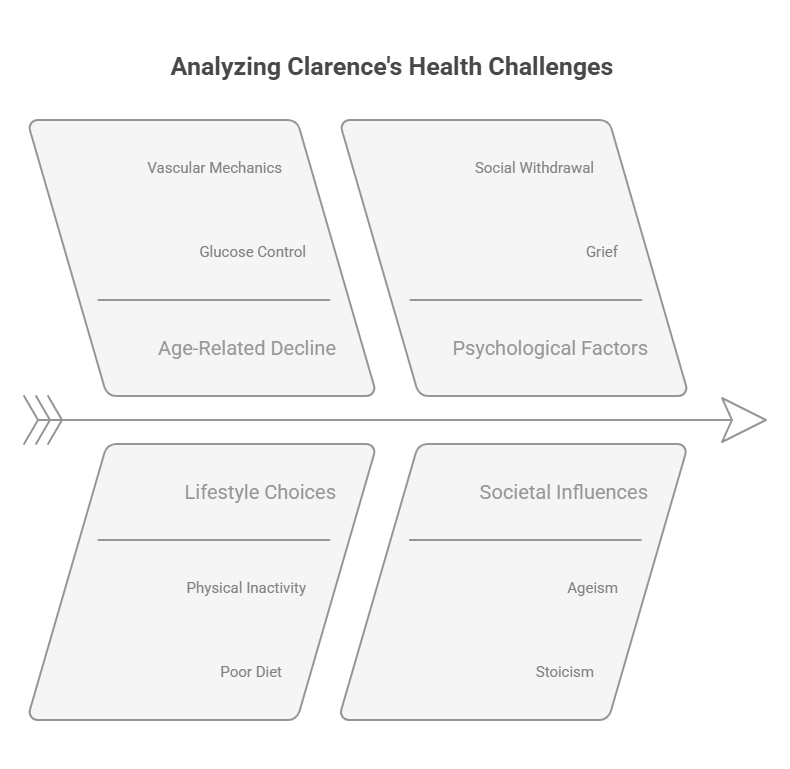
Figure 1: Health Challenges in Clarence
Section 3 Critical analysis of key psychological issues
As seen, Clarence has some serious psychological problems that are affecting his general health and living standards in later life. The greatest mental issue is unresolved grief due to the sudden loss of his wife two years ago. Time has come and passed yet Clarence still has a profound feeling of loss, self-blame, and sadness. The fact that he could not show any emotions during the funeral or throughout his continuing shame of not being there with his wife evidences suppressed emotional distress and perhaps complicated grief. This unsuccessful mourning might be a cause of his at the moment presented low mood, tiredness, sleeping disorders, and lack of concentration, all of which are the signs of depression. Clarence is also grieving self-worth and a lack of purpose in life besides the grief. His post-retirement life which he had dreamed with his wife has been interrupted harshly, which has left him in an existential vacuum that is hard to overcome(Hobman, 2024). His loss of independence in driving due to the deterioration of vision has also had further effects on autonomy and led to social isolation. The fact that Clarence is using alcohol to aid his sleep, and in the process of doing so, has become more and more dependent to this invariably is an indicator that he is developing maladaptive coping strategies that, although it appears to be beneficial in a short-term perspective, could further deteriorate psychologically with time(Moreno-Agostino et al., 2020).
Such psychological problems may be interpreted by associating them with Erikson's theory of psychosocial development and most especially in the last stage of his theory which is ego integrity versus despair. During this phase, the elderly person meditates about her life and may become fulfilled and possess a sense of coherence (ego integrity) or she may end up in despair with regrets, trauma, or failed dreams. Clarence seems to be in a state of despair which is further aggravated by his awareness of his failure in a situation of saving his wife and the abrupt cancellation of his retirement plans. His shame, guilt, and withdrawal of emotions are evidence of a crisis in solving this psychosocial task. It is however possible that with the right intervention, Clarence would get back a sense of peace, dignity, and fulfilment. Grief counselling, engagement in several activities as well as interaction with other peers are the remedies to help Clarence manage this transition in his life(Reich et al., 2020). The safe environment that professional counselling services provide might help him vent his feelings, overcome self-criticism, and deal with the lack of resolution to grief. The mental health care provided at the community level, especially by using church or culturally sensitive organisations, might also appear closer to the value system and comfort zone of Clarence(Rigolon et al., 2021). Rediscovering a social role that he might enjoy, e.g. as a mentor, volunteer, or even as a member of a vision-adapted group activity would also diagnose his mood and provide a fresh sense of contribution and belonging. Identification is the key determinant of positive ageing, especially in a situation where the identification is buttressed by autonomy, social roles, and recognition. The bereavement and the deteriorating health have threatened Clarence as a husband, a bread-winner, and a man who can do things independently. Self-esteem can be regained by restoring what is deficient in his internal self and that can be enabled with the help of decision-making, regarding his lived experiences positively, and recognizing that he is strong(Rudnicka et al., 2020).
Get assistance from our PROFESSIONAL ASSIGNMENT WRITERS to receive 100% assured AI-free and high-quality documents on time, ensuring an A+ grade in all subjects.
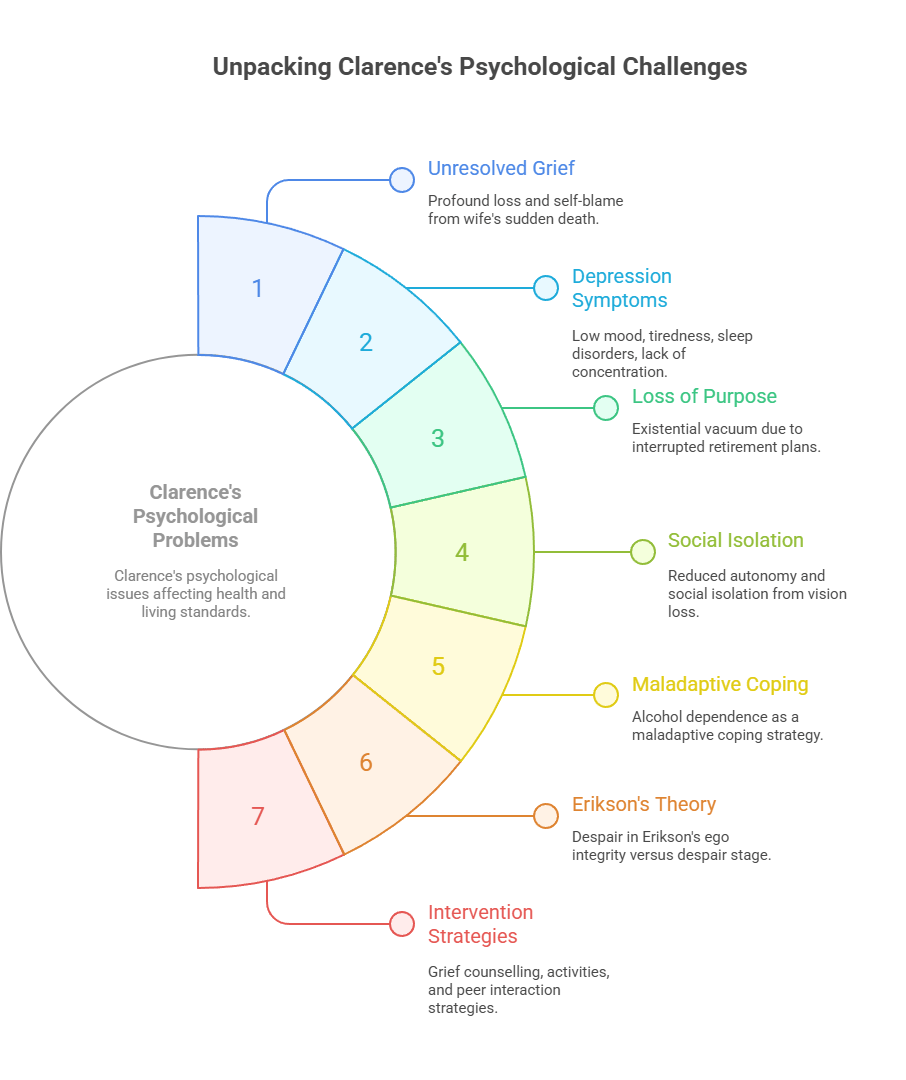
Figure 2: Psychological Challenges in Clarence
Source: (Rudnicka et al., 2020).
Section 4: Critical analysis of the key social issues
Clarence is undergoing various essential social problems that strongly affect his general health and aging process. Among the most important ones is social isolation. Clarence has since then slowly isolated himself following an active social life since the demise of his wife. Being in the habit of playing church and card games with friends, especially when he is at home, now, he rarely goes outside anymore, since he cannot see properly and does not need to travel with other people being carried. He cannot approach others due to the physical distance and goes through his feeling of pride, thus risking getting lonely and developing emotions and other health deteriorations. Moreover, the emotional or social response to Clarence has not been satisfactory in the sense that he has not received appropriate emotions and supportive social policies due to the cultural idea of masculinity and hardness concerning the taboo of expressing emotions among men of the older generation(Tapia-Munoz et al., 2024). His problematic access to some of the services available in the community or in the form of the community is characterized by an increasing isolation in society. The case of Clarence can be interpreted in terms of disengagement theory which is the sociological theory of ageing and indicates that as an individual comes closer to dying, they naturally become disengaged with social roles and interactions. Although this theory tries to put the social withdrawal in a mutual and anticipated situation, it has been largely criticized by ignoring the individual needs, desires, and circumstances. The withdrawal experienced by Clarence in his case is not voluntary and fulfilling but according to the accumulating losses which are bereavement, independence, health, and purpose. However, in contrast, there is a more optimistic perspective which is the activity theory of ageing, which views later life as dependent on whether we still have significant activities and social roles to offer that can make us happier(Urtamo et al., 2019). The view looks at the re-integration of Clarence into the community by offering services and interventions that are easily available and are specific to Clarence without being dismissed by his free choice. Age-inclusive communities that take an interest and appreciate aged adults can equally contribute significantly towards ensuring positive ageing among such adults such as Clarence. Communities with accessible transportation services, community centres, and peer-driven programs can keep the social interaction up and avoid the feeling of isolation. Moreover, a higher level of engagement and care can be provided by culturally competent services that recognize the Caribbean origin of Clarence. Encouraging the connection between the generations and the inclusive neighbourhood programs would enable Clarence to sense acceptance and acknowledgment in his community(Urtamo et al., 2019).
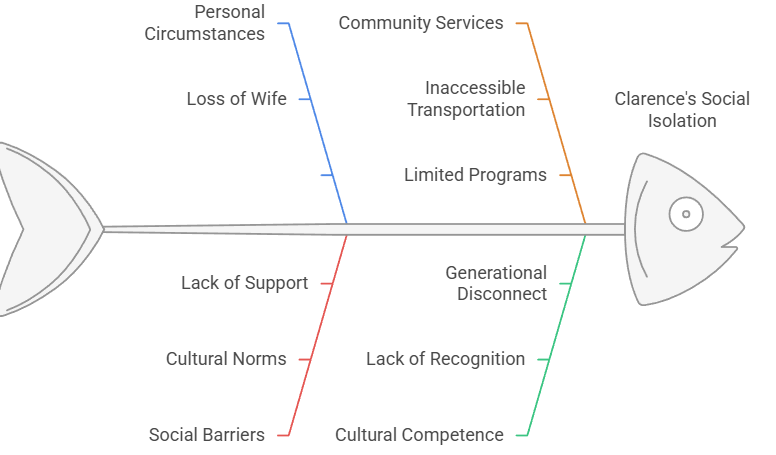
Figure 3: Analysis of social isolation
Source: (Urtamo et al., 2019).
Section 5: Justification on the use of person-centred care planning as an approach to meet biopsychosocial needs
Person-centred care planning plays a very important role in this situation to satisfy the complex biopsychosocial needs of Clarence, encourage his autonomy, and enhance positive wellbeing in later life. Such an approach allows recognising that Clarence is an individual with values, beliefs, and experienced life, but the diagnosis or age-related decline is still an important part of Clarence. Person-centred care planning in the case of Clarence would allow a comprehensive response to his synthesised biological, psychological, and social problems, including diabetes management, unfamiliar grief, social isolation, and functional constraints resulting from vision impairment. Person-centred planning gives Clarence decision-making power by including him in all the decisions that involve his care where he is allowed to formulate the goals he wants to achieve, such as becoming an independent person or reuniting with his church community. It enables personalized interventions like low-vision aids, emotional support, and community transport services by what is important to him(Velaithan et al., 2024). This independence is essential to Clarence since it helps him regain his dignity, confidence, and control, and is vital to positive ageing actions. The primary values behind person-centred care are recognizing the individual, decision-making, and individual strengths. To follow the preferences of Clarence, it is necessary to respect the cultural identity of a patient, the way he copes with the situation, and the desire not to put other people under any kind of burden. Collaborative care will make sure professionals do not work on behalf of Clarence but with him since he has a right to self-determination. Instead of looking at the deficit, the strengths-based model determines what Clarence is still capable of and appreciates his ability to recover. By way of example, although Clarence no longer drives, the person-centred approach might look at how Clarence can continue his independence, whether it be based on organizing transport via community links or involvement with the local peer support groups that are based on his background and interests. Some of the important health and social care policies in the UK support these values(Westwood, 2019)
The Care Act 2014 provides the legal framework for person-centred care in adult services which is about focusing on well-being, prevention, and how people are at the centre of their care plans. It obliges local authorities to take into account the views, wishes, feelings, and beliefs of the person, and, thus, it will be very individualistic. Similarly, the House of Care model impregnates collaborative care planning especially amongst individuals with long-term illness such as diabetes in the case of Clarence, joining the medical provision with the local and self-management resources. This model makes the care proactive, holistic, and coordinated. Moreover, the NHS Long Term Plan (2019) prioritises the concept of personalised care as one of the strategies that will give people more power through supported self-management, social prescribing, and shared decision-making.
Conclusion
To sum up, the case of Clarence indicates a multifactorial problem that aged citizens have to respond to on their way of going through biological, psychological, and social intricacies of the ageing process. With the help of a person-centred and biopsychosocial approach, it is apparent that it is necessary to combine physical illnesses and complications such as diabetes and vision loss with emotional support for unresolved grief and the development of measures to minimise social isolation. The phenomena can be explored through the theories like the psychosocial model of Erikson or the activity theory of ageing that give useful insight into his experiences to introduce interventions. The person-centred care approach based on the policy levels, including the Care Act 2014 and the NHS Long-Term Plan can be employed to retain the autonomy, dignity, and well-being of Clarence. Personalized support services, cultural awareness, and community-inclusive practices will play a major part in bringing Clarence back on track and supported through resilience.
References
- Ayalon, L., & Tesch-Römer, C. (2018). Contemporary perspectives on ageism. Springer International Publishing. https://doi.org/10.1007/978-3-319-73820-8
- Cooper, M., Flynn, D., Avery, L., Ashley, K., Jordan, C., Errington, L., & Scott, J. (2023). Service user perspectives on social prescribing services for mental health in the UK: A systematic review. Perspectives in Public Health, 143(3), 135–144. https://doi.org/10.1177/17579139221147015
- Cunningham, C., O’Sullivan, R., Caserotti, P., & Tully, M. A. (2020). Consequences of physical inactivity in older adults: A systematic review of reviews and meta‐analyses. Scandinavian Journal of Medicine & Science in Sports, 30(5), 816–827. https://doi.org/10.1111/sms.13616
- Galiana, J., & Haseltine, W. A. (2019). Aging well: Solutions to the most pressing global challenges of aging. Springer. https://doi.org/10.1007/978-981-13-6546-1
- Hobman, D. (Ed.). (2024). The social challenge of ageing (Vol. 22). Taylor & Francis.
- Moreno-Agostino, D., Daskalopoulou, C., Wu, Y. T., Koukounari, A., Haro, J. M., Tyrovolas, S., & Prina, A. M. (2020). The impact of physical activity on healthy ageing trajectories: Evidence from eight cohort studies. International Journal of Behavioral Nutrition and Physical Activity, 17(1), 1–12. https://doi.org/10.1186/s12966-020-01020-z
- NHS England. (2019.). Older people – clinical policy. https://www.england.nhs.uk/ourwork/clinical-policy/older-people/
- Reich, A. J., Claunch, K. D., Verdeja, M. A., Dungan, M. T., Anderson, S., Clayton, C. K., & Thacker, E. L. (2020). What does “successful aging” mean to you?—Systematic review and cross-cultural comparison of lay perspectives of older adults in 13 countries, 2010–2020. Journal of Cross-Cultural Gerontology, 35, 455–478. https://doi.org/10.1007/s10823-020-09397-1
- Rigolon, A., Browning, M. H. E. M., McAnirlin, O., & Yoon, H. (2021). Green space and health equity: A systematic review on the potential of green space to reduce health disparities. International Journal of Environmental Research and Public Health, 18(5), 2563. https://doi.org/10.3390/ijerph18052563
- Rudnicka, E., Napierała, P., Podfigurna, A., Męczekalski, B., Smolarczyk, R., & Grymowicz, M. (2020). The World Health Organization (WHO) approach to healthy ageing. Maturitas, 139, 6–11. https://doi.org/10.1016/j.maturitas.2020.05.008
- Tapia-Munoz, T., Ajnakina, O., Fancourt, D., & Steptoe, A. (2024). Personality traits and loneliness among older people in the UK: Cross-sectional and longitudinal analysis from the English Longitudinal Study of Ageing. European Journal of Personality, 38(4), 599–614. https://doi.org/10.1177/0890207024125090
- Urtamo, A., Jyväkorpi, S. K., & Strandberg, T. E. (2019). Definitions of successful ageing: A brief review of a multidimensional concept. Acta Bio-Medica: Atenei Parmensis, 90(2), 359–363. https://doi.org/10.23750/abm.v90i2.8376
- Velaithan, V., Tan, M. M., Yu, T. F., Liem, A., Teh, P. L., & Su, T. T. (2024). The association of self-perception of aging and quality of life in older adults: A systematic review. The Gerontologist, 64(4), gnad041. https://doi.org/10.1093/geront/gnad041
- Westwood, S. (2019). Ageing, diversity and equality: Social justice perspectives. Routledge.
Recently Downloaded Samples by Customers
Introduction Get free samples written by our Top-Notch subject experts for taking online Assignment...View and Download
1. Introduction: Health and Wellbeing in Communities Health and wellbeing are central to the development of resilient...View and Download
1.0 Chapter 1: Introduction of Challenges To Peace In The Israeli-Palestinian Conflict The “Israel-Palestine...View and Download
1. Introduction Get free samples written by our Top-Notch subject experts for taking online Assignment...View and Download
Introduction: Focus of the Analysis Corporate tax is a kind of direct tax where which was imposed by the government of the...View and Download
Apple Green MacBook Marketing Strategy for Sustainability In today’s academic and professional environment, creating...View and Download